



What's Happening?
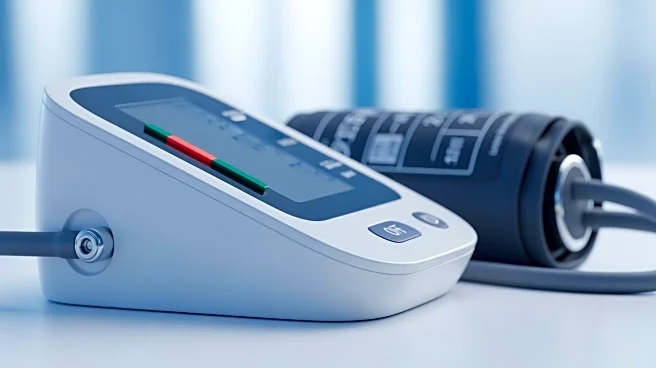
A recent study compared two validated oscillometric devices for home blood pressure monitoring (HBPM) and found significant differences in blood pressure readings and precision. Conducted in a home-like setup, the study involved 132 adult participants
and aimed to replicate real-world conditions. The research revealed that wrist-based blood pressure measurements showed greater variability and less precision compared to upper-arm devices. The study emphasized the importance of accurate vital sign measurement tools in clinical settings, as the precision of systolic blood pressure readings decreased with higher blood pressure values. Participants were required to measure blood pressure using both devices on opposite arms, and the average of four measurements was used for analysis. The study was approved by the local ethics committee and conducted in accordance with international guidelines.
Why It's Important?
The findings of this study are significant for healthcare providers and patients who rely on home blood pressure monitoring devices. Accurate blood pressure measurement is crucial for diagnosing and managing hypertension, a major risk factor for cardiovascular diseases. The variability and reduced precision in wrist-based devices could lead to misdiagnosis or inappropriate treatment decisions. This study underscores the need for healthcare professionals to consider device type and measurement variability when advising patients on home monitoring. It also highlights the potential for improved device design and user education to enhance measurement accuracy, ultimately impacting patient outcomes and healthcare costs.
What's Next?
The study's results may prompt further research into the development of more accurate and reliable home blood pressure monitoring devices. Manufacturers might focus on improving wrist-based devices to match the precision of upper-arm monitors. Additionally, healthcare providers could enhance patient education on proper device usage to minimize measurement errors. Regulatory bodies might also consider updating guidelines for home blood pressure monitoring to reflect these findings, ensuring that patients receive the most accurate and effective care.