






What's Happening?
Kulgam, located in South Kashmir, is emerging as a destination that offers a diverse range of natural landscapes beyond the region's more commonly known tourist attractions. The area features a varied topography, stretching from fertile fields and orchards
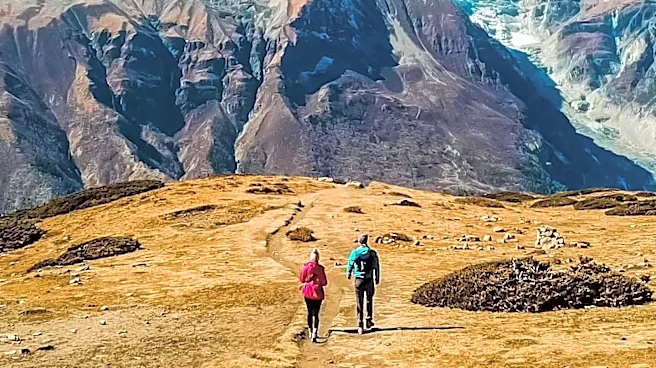
in lower elevations to forests, pastures, and high mountain terrain shaped by the Pir Panjal mountains. Key attractions include Aharbal, known for its waterfall often referred to as the 'Niagara of Kashmir,' and a succession of mountain landscapes such as Kongwattan, Mahi Nag, Kounsernag, Chiranbal, Badi Behak, Zajmarg, Pachanpathri, and Brahmsar. These locations provide opportunities for trekking, camping, photography, and experiencing Kashmir's natural beauty on foot.
Why It's Important?
The development of Kulgam's alpine trails and lesser-known areas for tourism is significant for diversifying Kashmir's tourism offerings and distributing economic benefits more broadly. By promoting these unique landscapes, the region can attract a wider range of tourists, including adventure seekers and those interested in off-the-beaten-path experiences. This expansion can reduce over-reliance on established tourist centers, potentially alleviating environmental pressure on popular sites and fostering sustainable tourism development in new areas. Furthermore, involving local communities in tourism initiatives, such as homestays and guiding services, can create new livelihood opportunities and empower residents, contributing to regional economic growth and community resilience.
What's Next?
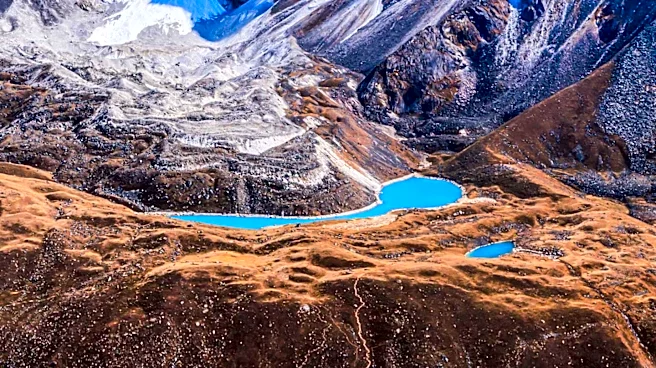
Future developments in Kulgam's tourism sector are expected to focus on enhancing accessibility and infrastructure for its alpine trails and high-altitude lakes. This may include the creation of clear maps, route information, and seasonal advisories to guide visitors. There is a push for community-based tourism, where local residents are trained as mountain guides and involved in providing services like food and accommodation. Educational institutions may also utilize these areas for field studies in environmental science and geography. The emphasis will be on responsible travel practices to preserve the sensitive high-altitude environment, ensuring that tourism development is balanced with ecological conservation and local cultural integrity.
Beyond the Headlines
The promotion of Kulgam's diverse landscapes for tourism has deeper implications for how Kashmir's natural and cultural heritage is perceived and valued. By highlighting the connection between the landscape and the lives of its people, tourism can foster a greater appreciation for traditional practices, local folklore, and the ecological significance of the region. This approach moves beyond mere sightseeing to offer a more immersive and meaningful experience for visitors, potentially leading to a stronger sense of stewardship for the environment among both tourists and locals. The challenge lies in developing tourism in a way that respects the delicate balance of nature and culture, ensuring that economic gains do not come at the expense of the region's unique character and environmental health.