









What's Happening?
Mesa Verde National Park is preparing for its largest potential repatriation in recorded history, involving the return of 85 Indigenous human remains and 4,304 sacred objects. This initiative follows a two-year inventory process and aligns with the 1990
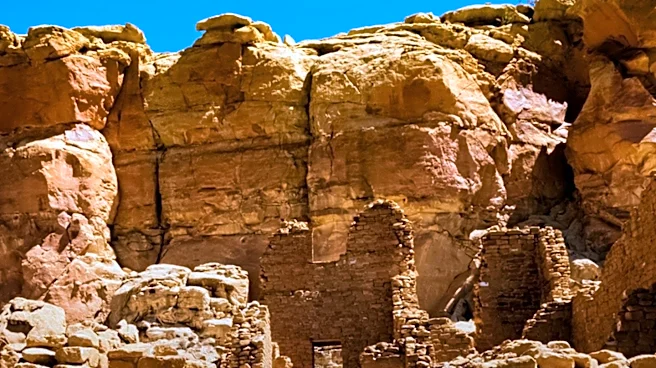
federal law known as the Native American Graves Protection and Repatriation Act (NAGPRA). The collection includes various items such as ceramic bowls, animal bones, feather boxes, crystals, turquoise, buckskin bags, and items made of human hair. The National Park Service published a Notice of Inventory Completion in the Federal Register on July 31, allowing tribal members or tribes to submit formal repatriation requests. These remains and objects may be connected to tribes in Arizona, New Mexico, and Colorado. The park, established in 1906, contains nearly 5,000 documented Ancestral Puebloan sites. This effort is part of a broader federal push, including revised NAGPRA regulations that took effect on January 12, 2024, which eliminated the 'culturally unidentifiable' classification and require tribal consent for displaying or researching Native American remains.
Why It's Important?
This repatriation effort by Mesa Verde National Park is a significant step in addressing historical injustices and fulfilling legal and ethical obligations under NAGPRA. The revised NAGPRA regulations are crucial as they remove a long-standing loophole that institutions used to avoid returning remains, thereby accelerating the process of returning ancestral remains and cultural items to their rightful tribal nations. This move acknowledges the sovereignty and cultural heritage of Native American tribes, allowing them to reclaim and properly care for their ancestors and sacred objects. The involvement of U.S. Senator Brian Schatz, who sent inquiry letters to 15 major universities and museums, underscores the national scope and political will behind these repatriation efforts. This shift also impacts how institutions manage and display Native American collections, emphasizing respect for Indigenous traditional knowledge and requiring tribal consent, which could lead to a more collaborative and respectful relationship between museums and tribal communities nationwide.
What's Next?
Following the Notice of Inventory Completion, tribal members or tribes can now submit formal repatriation requests for the identified ancestors and objects. This process will involve collaboration between Mesa Verde National Park and the potentially affiliated tribes in Arizona, New Mexico, and Colorado to facilitate the return. The revised NAGPRA regulations mandate that institutions complete updated inventories within five years, suggesting a continued acceleration of repatriation efforts across the country. Other institutions, such as Western Colorado University and History Colorado, are also actively engaged in similar processes, indicating a broader trend of returns. The federal push, including congressional oversight, is expected to maintain pressure on institutions to comply with NAGPRA. Future discussions may also involve the enforcement of the Archaeological Resources Protection Act of 1979, which carries penalties for unauthorized excavation or trafficking of Native cultural items, further safeguarding Indigenous heritage.
Beyond the Headlines
The repatriation of ancestral remains and sacred objects extends beyond legal compliance; it represents a profound ethical and cultural reckoning for the United States. For Native American tribes, the return of their ancestors and cultural heritage is vital for spiritual healing, cultural revitalization, and the restoration of historical continuity. The previous classification of 'culturally unidentifiable' often reflected a colonial mindset that disregarded Indigenous knowledge and connections. The new regulations and ongoing repatriations challenge this historical narrative, promoting a more inclusive understanding of American history and cultural preservation. This movement also highlights the ongoing struggle for Indigenous rights and self-determination, fostering a deeper respect for tribal sovereignty. The shift in institutional practices, requiring tribal consent and deferring to Indigenous traditional knowledge, could lead to a transformative change in how cultural institutions engage with Native American communities, moving towards genuine partnership and reconciliation.