






What's Happening?
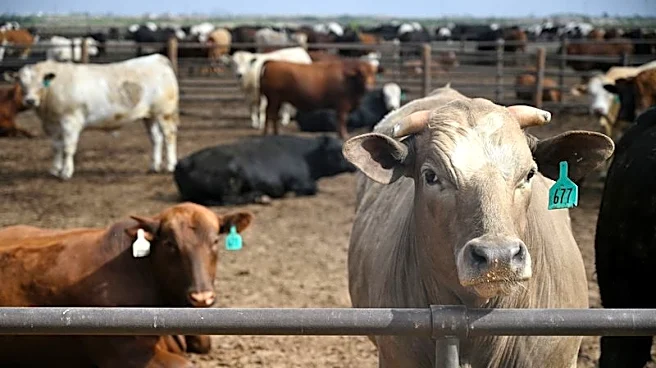
Senator Cindy Hyde-Smith, a Republican from Mississippi and former state agriculture commissioner, has voiced strong opposition to the Trump administration's decision to suspend tariffs on ground beef imports. This policy change would permit the tariff-free
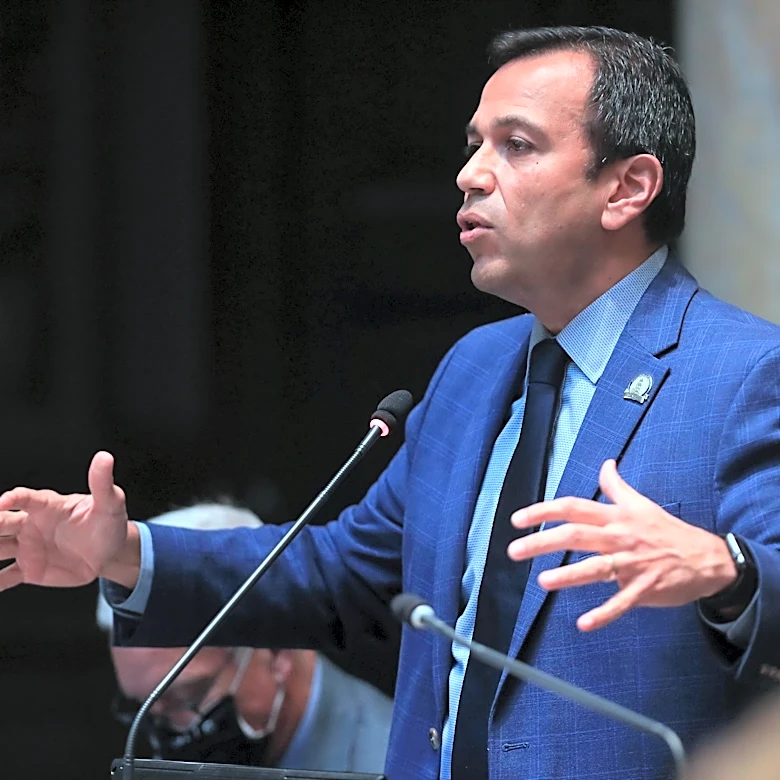
importation of up to 300,000 pounds of beef. Senator Hyde-Smith argues that Mississippi farmers should not be burdened with the financial impact of cheaper imported beef. She has personally conveyed her concerns regarding this move to the White House. Lieutenant Governor Delbert Hosemann echoed these sentiments, stating that the administration should prioritize reducing costs for U.S. ranchers and favoring American-produced beef, rather than implementing measures that do not effectively lower prices for Mississippi families.
Why It's Important?
This development is significant for the U.S. agricultural sector, particularly for beef producers in states like Mississippi. The suspension of tariffs on ground beef imports could lead to an influx of cheaper foreign beef, potentially driving down domestic prices and reducing profitability for American ranchers. This situation highlights a tension between consumer interests in lower food prices and the economic well-being of domestic agricultural industries. For Mississippi, a state with a notable agricultural presence, the policy could have direct economic consequences for its farming communities. The pushback from state lawmakers like Senator Hyde-Smith and Lieutenant Governor Hosemann underscores the regional economic concerns that can arise from federal trade policies, especially when they impact key local industries.
What's Next?
The immediate next steps will likely involve continued discussions and potential lobbying efforts from agricultural stakeholders and their political representatives to influence the Trump administration's trade policies. Senator Hyde-Smith's direct engagement with the White House suggests an ongoing effort to advocate for Mississippi farmers. It remains to be seen if the administration will reconsider or modify its stance on the beef tariff suspension in response to these concerns. The long-term impact will depend on the volume of beef imported and the market's reaction, which could lead to further calls for policy adjustments or support for domestic producers if the economic strain on farmers becomes substantial.
Beyond the Headlines
Beyond the immediate economic implications for beef farmers, this issue touches upon broader themes of trade policy, national food security, and the balance between global trade and domestic industry protection. The debate over tariffs often involves complex considerations of international relations, consumer affordability, and the sustainability of local economies. This specific instance could also set a precedent for how future administrations approach trade decisions that affect critical agricultural sectors. It highlights the constant negotiation between free-market principles and the desire to safeguard national industries, particularly in a sector as fundamental as food production.