



What's Happening?
Jammu and Kashmir is anticipating a potential electricity shortage during the upcoming winter months, even with an additional allocation of approximately 330 megawatts (MW) from the central power pool. Projected demand is expected to reach nearly 2,900
MW, while declining hydropower generation, a common occurrence due to reduced water discharge in colder temperatures, exacerbates supply concerns. The Union Ministry of Power's revised allocation arrangements for winter 2026–27 have earmarked supplementary electricity for December, January, and February. However, November and March are not included in this three-month additional allocation. While Jammu and Kashmir and Ladakh together were assigned 655 MW from the central unallocated power pool for November 2026, increasing to 845 MW during December and January, these figures represent allocations from a specific central pool and not the total electricity available.
Why It's Important?
The impending power shortage in Jammu and Kashmir highlights a critical infrastructure challenge, particularly given the region's harsh winter conditions where electricity demand for heating significantly increases. The reliance on hydropower, which is seasonal, exposes the vulnerability of the energy supply during colder months. This situation could lead to widespread power outages, impacting daily life, essential services, and the local economy. The additional central allocation, while helpful, appears insufficient to bridge the projected demand-supply gap, indicating a deeper structural issue in energy planning and resource management. The exclusion of November and March from the supplementary allocation also raises concerns about consistent power availability throughout the entire winter period, potentially leaving residents and businesses without adequate electricity during transitional cold spells.
What's Next?
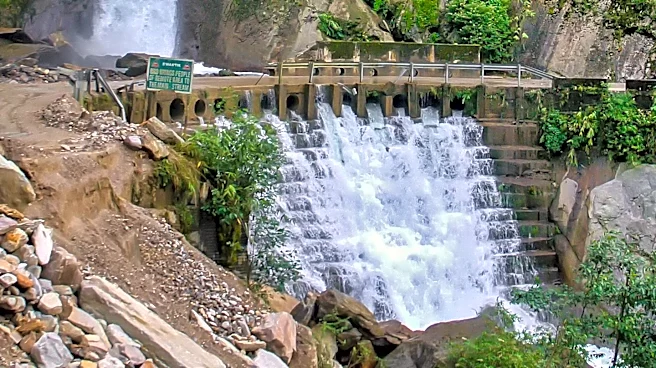
The power supply situation in Jammu and Kashmir during November and March will heavily depend on generation from local hydropower stations, existing central allocations, and purchases from the open market. With hydropower generation already declining to approximately 250 to 300 MW in early November, and demand projected to reach 2,900 MW, the region faces a significant deficit. The Central Electricity Authority's projections for 2026–27 indicate a possible peak electricity deficit of 623 MW for Jammu and Kashmir and Ladakh combined during November. Authorities will likely need to explore further procurement options, potentially at higher costs, to meet the rising demand. Long-term solutions would involve diversifying the energy mix, investing in more resilient power infrastructure, and potentially implementing demand-side management strategies to mitigate future winter shortages.
Beyond the Headlines
The recurring winter power shortages in Jammu and Kashmir underscore broader issues of energy security and regional development. The heavy reliance on hydropower, while a clean energy source, presents a challenge due to its seasonal variability. This situation could prompt a re-evaluation of energy policies, encouraging investment in alternative energy sources like solar or thermal power, or exploring advanced energy storage solutions to ensure a stable supply. The economic impact of power shortages can be substantial, affecting industries, tourism, and the overall quality of life for residents. Furthermore, the need for central government intervention highlights the interdependencies within India's energy grid and the importance of coordinated national energy planning to support vulnerable regions. Addressing this issue effectively will require a multi-faceted approach combining infrastructure development, policy reforms, and technological innovation.