



What's Happening?
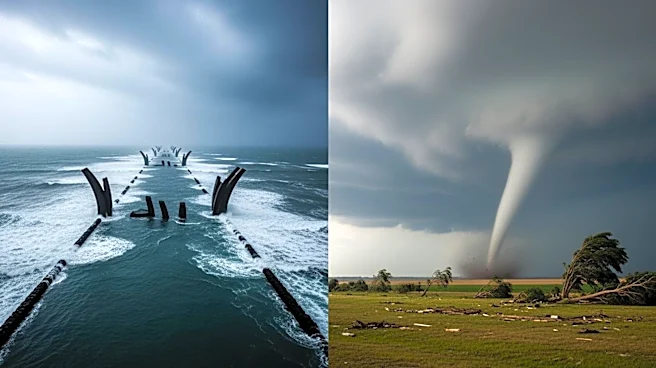
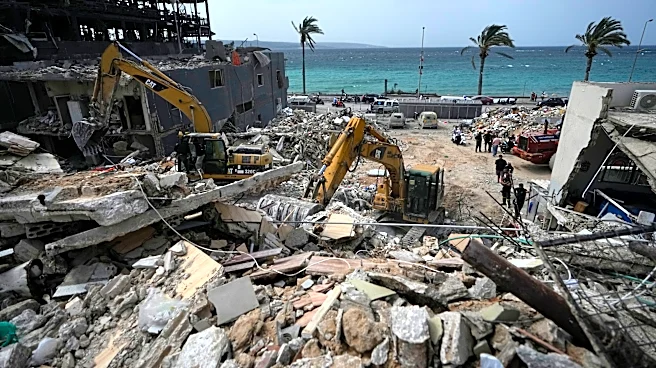
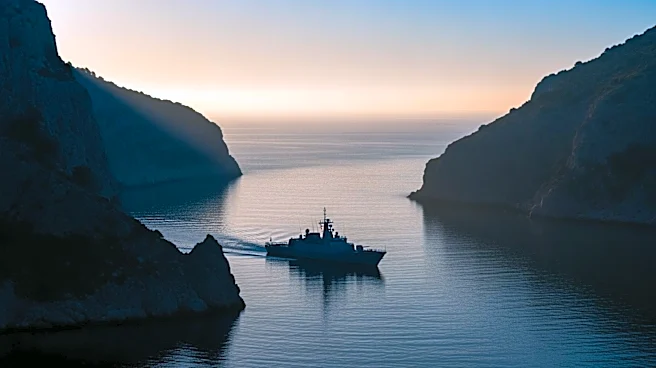
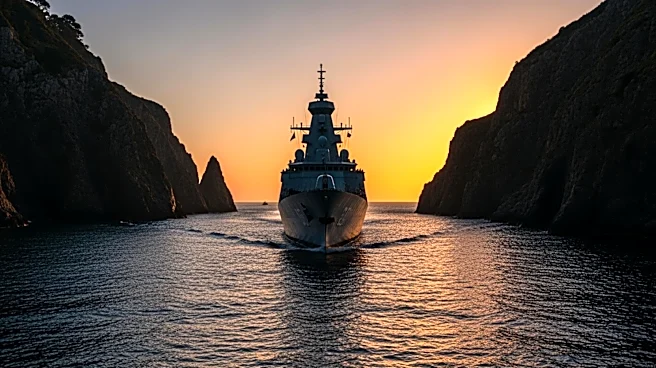
Iran has declared the Strait of Hormuz closed in response to a U.S. Navy blockade, escalating tensions in the region. This strategic waterway is crucial for global oil shipments, and its closure could have significant implications for international trade.
Concurrently, the Midwest is experiencing severe weather, with dozens of tornadoes reported, causing widespread devastation. These events were highlighted in a recent broadcast, underscoring the dual challenges of geopolitical tensions and natural disasters.
Why It's Important?
The closure of the Strait of Hormuz is a critical development, as it could disrupt global oil supply chains, affecting energy prices and economic stability worldwide. This move by Iran is a direct response to U.S. military actions, potentially escalating into broader geopolitical conflicts. Meanwhile, the tornadoes in the Midwest highlight the increasing frequency and severity of extreme weather events, raising concerns about climate resilience and disaster preparedness in the U.S. Both situations demand attention from policymakers and stakeholders to mitigate risks and manage impacts effectively.
What's Next?
The international community is likely to monitor the situation in the Strait of Hormuz closely, with potential diplomatic efforts to de-escalate tensions. The U.S. and its allies may consider strategic responses to ensure the security of global trade routes. In the Midwest, recovery efforts will be crucial, with federal and state agencies expected to provide support and resources to affected communities. These events may also prompt discussions on enhancing infrastructure resilience and emergency response systems.