





What's Happening?
The National Weather Service has issued a heat advisory for much of New York, effective from 11 a.m. to 8 p.m. on Tuesday. This advisory covers western, central, and eastern regions of the state, including major cities such as Rochester, Buffalo, Syracuse,
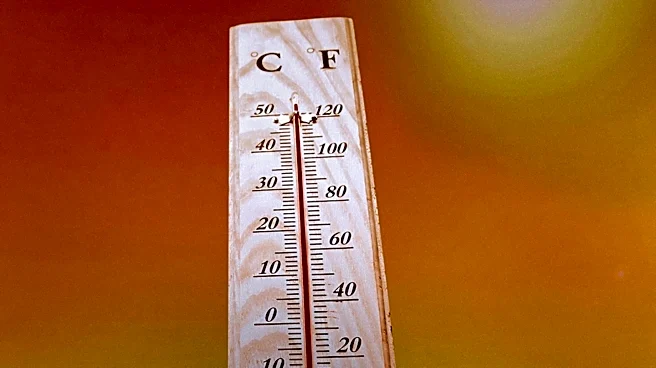
Albany, and Watertown. The advisory is in response to expected high temperatures and humidity levels that could result in heat index values reaching or exceeding 100 degrees. In particular, parts of western New York, including the Lake Plains, Genesee Valley, and Finger Lakes, may experience heat index values as high as 104 degrees. Eastern New York could see values up to 102 degrees, while central New York might reach 100 degrees. The National Weather Service warns that these conditions increase the risk of heat-related illnesses, especially for vulnerable populations such as older adults, young children, and those with chronic medical conditions.
Why It's Important?
The issuance of a heat advisory is significant as it highlights the potential health risks associated with extreme heat conditions. High temperatures combined with humidity can lead to heat-related illnesses, which can be severe and even life-threatening. Vulnerable groups, including the elderly, children, and individuals with pre-existing health conditions, are particularly at risk. The advisory serves as a critical reminder for residents to take precautions, such as staying hydrated, avoiding outdoor activities during peak heat, and checking on those who may be more susceptible to heat stress. Additionally, the advisory underscores the importance of community awareness and preparedness in mitigating the adverse effects of extreme weather conditions.
What's Next?
Residents in the affected areas are advised to follow the recommendations provided by the National Weather Service to minimize the risk of heat-related illnesses. These include drinking plenty of water, staying in air-conditioned environments, wearing lightweight clothing, and avoiding strenuous outdoor activities during the hottest parts of the day. Authorities may continue to monitor weather conditions and provide updates as necessary. Community organizations and local governments might also implement measures to support vulnerable populations, such as opening cooling centers or conducting wellness checks.