





What's Happening?
Israel has issued forced evacuation orders for residents in seven towns in southern Lebanon, escalating tensions with Hezbollah despite a US-mediated ceasefire. The ceasefire, which began on April 16 and has been extended to mid-May, has not fully halted
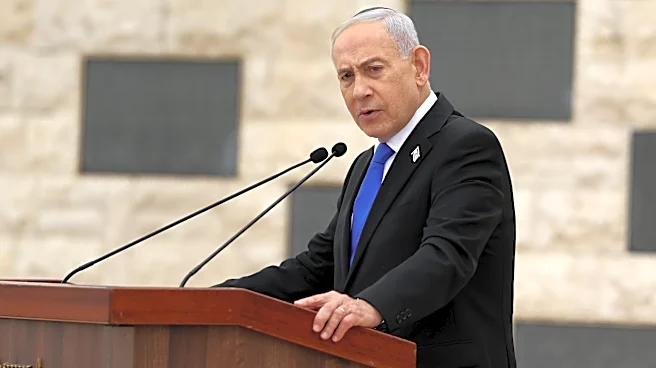
hostilities, with both sides accusing each other of violations. Israeli Prime Minister Benjamin Netanyahu claims Hezbollah's actions are dismantling the ceasefire, while Hezbollah argues its attacks are a legitimate response to Israeli violations. The situation has led to significant displacement, with thousands fleeing to safer areas.
Why It's Important?
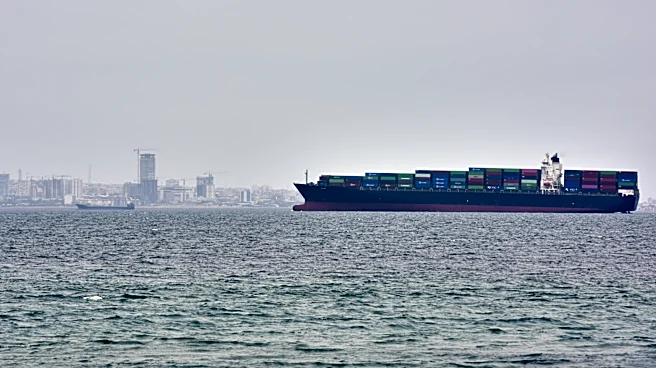
The escalation in southern Lebanon highlights the fragility of the ceasefire and the potential for renewed conflict in the region. The forced evacuations and continued military actions could destabilize the area further, impacting regional security and potentially drawing in international stakeholders. The conflict also affects global oil prices and economic stability, as tensions in the Middle East often lead to fluctuations in energy markets.
What's Next?
The continuation of hostilities despite the ceasefire suggests that diplomatic efforts may need to be intensified to prevent a full-scale conflict. International mediators, including the US, may need to engage more deeply with both Israel and Hezbollah to ensure compliance with the ceasefire terms and address underlying issues. The situation remains volatile, with potential for further military actions and civilian displacement.