



What's Happening?
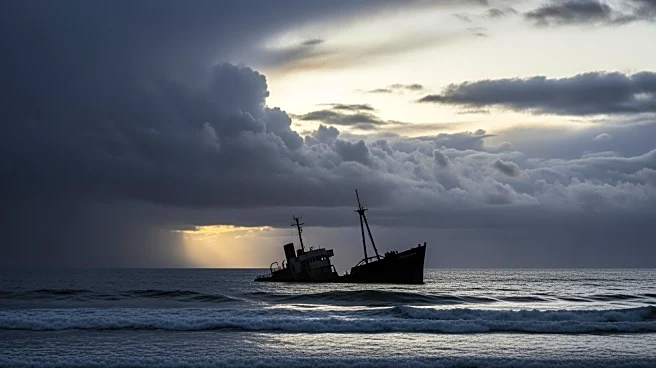
A U.S. Navy submarine has torpedoed an Iranian frigate, the IRIS Dena, in the Indian Ocean, leading to questions about potential violations of international law. The attack resulted in the sinking of the ship, with only 32 out of 180 crew members rescued
by the Sri Lankan Navy. The incident occurred far from the ongoing U.S.-Israeli military campaign against Iran, raising concerns about the legality of the strike under the Second Geneva Convention. The U.S. military has not yet provided an explanation for the lack of search and rescue efforts following the attack.
Why It's Important?
This incident highlights the complexities of modern naval warfare and the challenges of adhering to international humanitarian law. The potential classification of the attack as a war crime could have significant diplomatic repercussions, affecting U.S. relations with Iran and other countries involved in the region. It also raises ethical questions about the conduct of military operations and the responsibilities of naval forces to protect and rescue shipwrecked personnel, as outlined in international agreements.
What's Next?
The U.S. military may face increased scrutiny and calls for accountability from international bodies and human rights organizations. There could be diplomatic fallout, with countries demanding explanations and potentially reevaluating their military alliances with the U.S. The incident may also prompt discussions about revising rules of engagement and ensuring compliance with international law in future military operations.