
What's Happening?
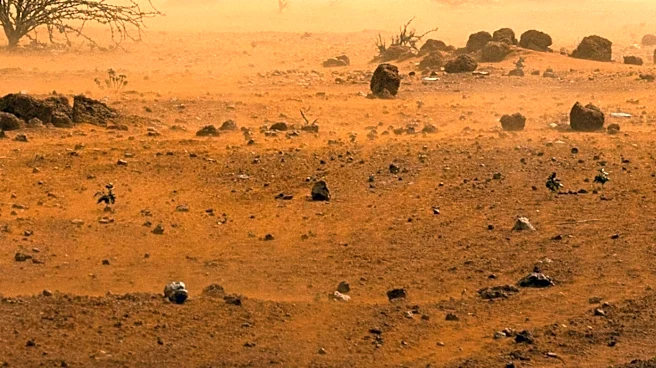
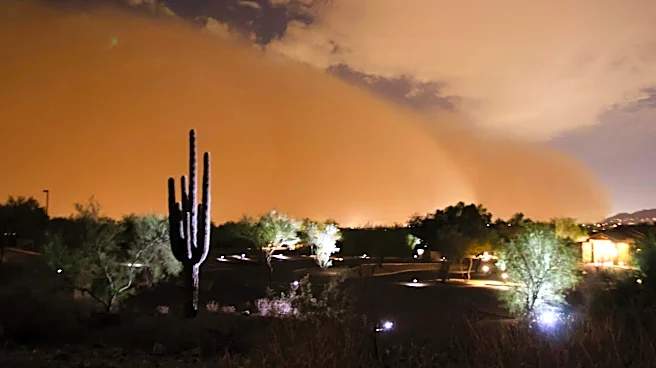
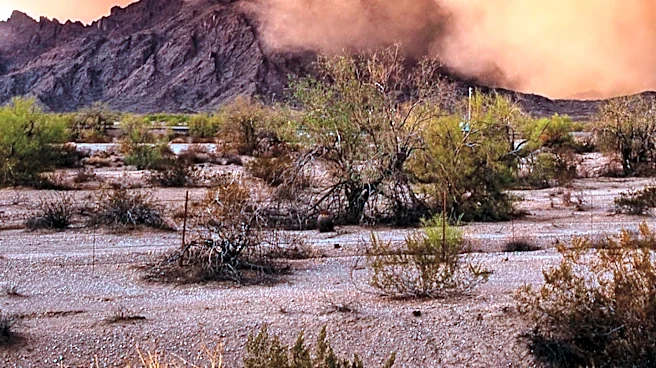
Phoenix experienced two unusually intense haboob dust storms this week, marking some of the most severe events in recent years. These storms, characterized by massive walls of dust and debris, are caused
by strong downdrafts from thunderstorms that stir up loose dust and dirt. The storms significantly reduced visibility to half a mile, although they occurred late at night, minimizing traffic disruptions. Both storms were classified as Category 5 on the dust storm severity scale, a level of intensity rarely seen. This scale, developed by Arizona State University, uses data from the past 16 years and was only recently introduced. The storms' intensity is attributed to the region's drier-than-normal conditions, which increase the amount of dust available to be lifted by the wind.
Why It's Important?
The occurrence of two back-to-back Category 5 dust storms in Phoenix is unprecedented and highlights the increasing frequency and intensity of extreme weather events. These storms pose significant risks to public health and safety, as they can cause respiratory issues and create hazardous driving conditions. The situation underscores the broader impacts of climate change, which scientists suggest is contributing to more severe droughts and storms. As such events become more common, they could lead to increased costs for infrastructure maintenance and public health interventions. The storms also serve as a reminder of the need for improved urban planning and emergency preparedness in regions prone to such natural phenomena.
What's Next?
With the potential for more intense dust storms in the future, local authorities and researchers may need to enhance monitoring and forecasting systems to better predict and mitigate the impacts of such events. This could involve investing in technology to improve early warning systems and public awareness campaigns to educate residents on safety measures during dust storms. Additionally, urban planners might consider strategies to reduce dust generation, such as increasing vegetation cover and implementing dust control measures in construction and agricultural activities. The ongoing research by institutions like Arizona State University will be crucial in understanding the evolving patterns of these storms and developing effective response strategies.
Beyond the Headlines
The recent dust storms in Phoenix also raise questions about the long-term sustainability of urban development in arid regions. As climate change continues to alter weather patterns, cities like Phoenix may need to rethink their growth strategies to ensure resilience against environmental challenges. This could involve integrating green infrastructure and sustainable design principles into urban planning to reduce vulnerability to extreme weather events. Moreover, the storms highlight the interconnectedness of climate change impacts, where increased drought conditions can exacerbate the severity of other natural phenomena, necessitating a comprehensive approach to climate adaptation and mitigation.