







What's Happening?
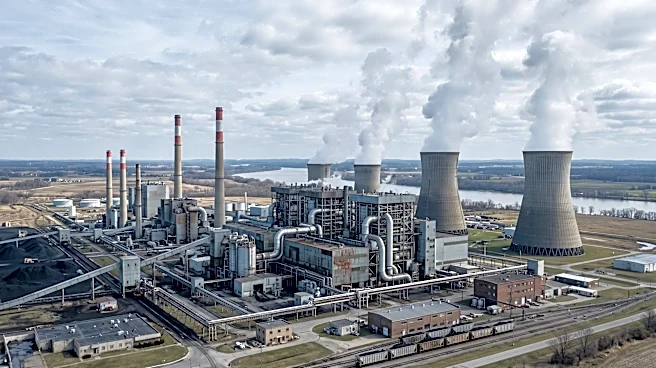
President Trump's energy policy is characterized by a strong promotion of U.S. fossil fuel production and consumption. This includes measures such as mandating the continued operation of coal-fired power plants, easing air pollution regulations for power facilities,
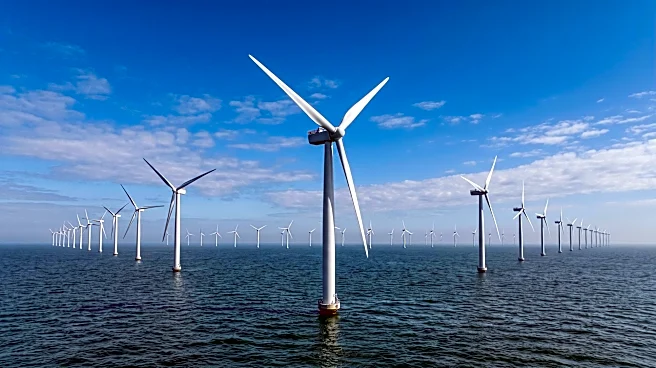
and rolling back energy efficiency standards. Concurrently, the administration has actively sought to impede renewable energy projects. While President Trump's broader economic strategy often leans on mercantilism—the idea that national wealth is built on exporting more than importing—and occasionally references free markets, these theories do not consistently align with his energy decisions. For instance, mercantilist principles would support fuel efficiency standards to free up oil for export, yet the administration has opposed them. Similarly, forcing utilities to use coal-fired power and obstructing wind and solar projects contradicts free-market ideals. The underlying rationale appears to be political, favoring industries that are significant supporters of the Republican Party and provide jobs in key Republican-leaning rural areas.
Why It's Important?
This approach to energy policy has significant implications for the U.S. economy, environment, and political landscape. By prioritizing fossil fuels and undermining renewables, the administration risks slowing the transition to cleaner energy sources, potentially exacerbating climate change impacts and hindering the growth of the burgeoning renewable energy sector. Economically, policies that increase electricity prices by favoring less efficient energy sources can make U.S. industries less competitive globally. The focus on political patronage over economic or environmental logic could lead to inefficient resource allocation and stifle innovation in energy technologies. Furthermore, the alignment of energy policy with specific industry interests raises concerns about regulatory capture and the influence of powerful lobbies on national policy, potentially at the expense of broader public welfare and long-term sustainability. This strategy also highlights a partisan divide in energy policy, where fossil fuels are often associated with Republican interests and renewable energy with Democratic platforms.
What's Next?
The continuation of such policies could lead to increased legal challenges from environmental groups and states committed to renewable energy goals. Future administrations may face the task of reversing these policies and re-establishing a more balanced energy strategy that incorporates environmental concerns and promotes diverse energy sources. The political landscape will likely continue to see debates over the role of government in energy markets, the balance between economic development and environmental protection, and the influence of industry on policy-making. The long-term effects on the U.S. energy infrastructure, international climate commitments, and the competitiveness of American industries will depend on the sustained direction of these policies and potential shifts in political leadership and public opinion.
Beyond the Headlines
The energy policy under President Trump reflects a deeper cultural and political narrative, where fossil fuels are sometimes associated with traditional American industries and a sense of national strength, while renewable energy is perceived differently. This perspective, as suggested by the source, might even involve a 'High Testosterone' view of fossil fuels compared to renewables, indicating a symbolic dimension to energy choices beyond mere economics or environmental science. This framing can polarize public discourse and make it challenging to implement comprehensive, evidence-based energy strategies. The emphasis on political loyalty and the perceived need to reward specific constituencies also underscores a broader trend of identity politics influencing policy decisions, potentially leading to policies that are not optimal for the nation as a whole but serve to consolidate political power. This approach can undermine scientific integrity and long-term strategic planning in favor of short-term political gains.