







What's Happening?
Herdscape, an organization focused on regenerative grazing, emphasizes that stock density is a powerful tool for improving veld condition, but it must not be confused with simply increasing animal numbers. The core principle involves concentrating a specific
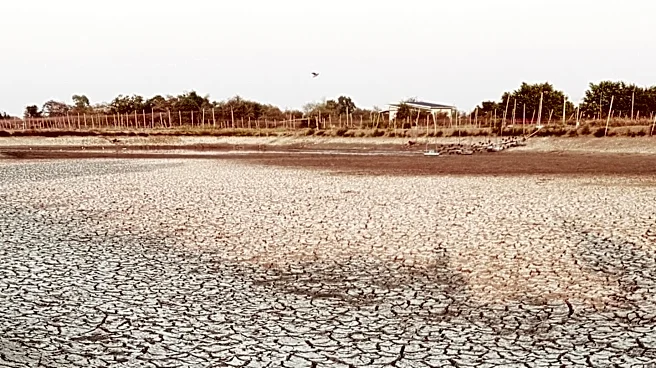
number of animals on a particular area for a short duration, followed by an adequate recovery period for the veld. This method, known as 'herd effect,' leverages the combined physical and behavioral impact of animals grazing and moving together. High stock density encourages uniform grazing, trampling dry material onto the soil surface, and depositing dung and urine, which enriches the soil. This process helps to create ground cover, reduce bare patches, slow rainfall runoff, and protect soil from erosion. Herdscape cautions against directly comparing this to large wildlife herds in unfenced landscapes, as the introduction of fences significantly alters the dynamics. The organization stresses that the success of this approach hinges on the balance between animal impact and sufficient recovery time for vegetation.
Why It's Important?
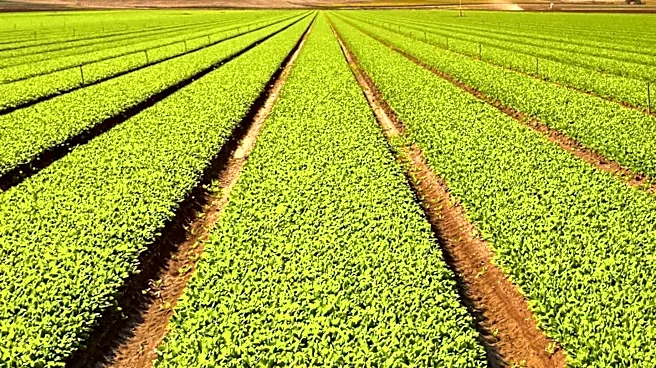
The strategic application of stock density is crucial for livestock farmers aiming to achieve regenerative outcomes and potentially increase carrying capacity. By improving veld condition, farmers can enhance soil health, water infiltration, and forage production, leading to more sustainable and productive agricultural systems. This approach offers a method to transform degraded land, as the 'hoof and dung' effect can disturb compacted surfaces, press plant material into the ground, and contribute essential nutrients and microbes to the soil. For U.S. agriculture, particularly in regions facing land degradation or seeking more sustainable practices, these principles could offer significant benefits. Farmers who adopt these methods stand to gain from healthier pastures, reduced reliance on external inputs, and improved long-term farm viability. Conversely, those who misapply stock density by merely increasing animal numbers without proper recovery periods risk overgrazing and further land degradation, highlighting the importance of informed management.
What's Next?
Livestock farmers are encouraged to adopt a nuanced understanding of stock density, integrating it as one component within a comprehensive grazing-management system. The next steps involve farmers gathering specific information about their own veld to determine appropriate grazing capacity and recovery periods, as stock density cannot be universally applied from one farm to another. Herdscape offers training programs and technical guidance to help farmers implement these regenerative grazing practices effectively. Future developments may include increased adoption of these methods as awareness grows regarding their environmental and economic benefits. This could lead to broader industry shifts towards more sustainable livestock management, potentially influencing agricultural policies and support for regenerative farming initiatives. Continued research and practical application will further refine these techniques, allowing farmers to optimize animal impact and recovery cycles for maximum ecological and economic benefit.
Beyond the Headlines
The concept of stock density extends beyond mere grazing management; it represents a paradigm shift in how livestock can be viewed—not just as consumers of forage, but as active agents in ecosystem restoration. This approach highlights the intricate relationship between animal behavior, plant physiology, and soil health, underscoring the potential for agriculture to be a solution to environmental challenges rather than a contributor. Ethically, it promotes a more holistic and responsible stewardship of land, recognizing the interconnectedness of all elements within an ecosystem. Legally and culturally, a broader adoption of such regenerative practices could influence land-use policies, conservation efforts, and consumer demand for sustainably produced agricultural products. This long-term shift could foster a more resilient food system, enhance biodiversity, and mitigate climate change impacts by improving carbon sequestration in soils, ultimately contributing to a more sustainable future for both agriculture and the environment.