







What's Happening?
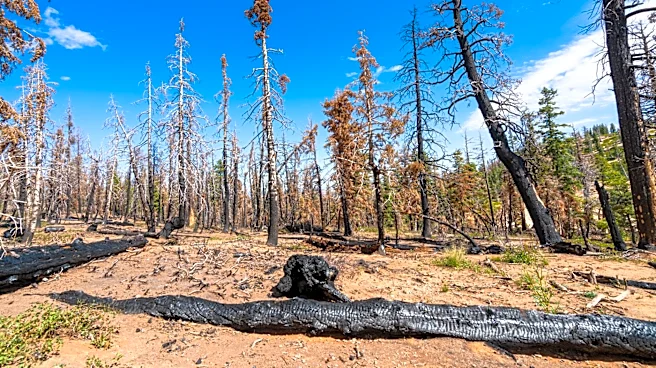
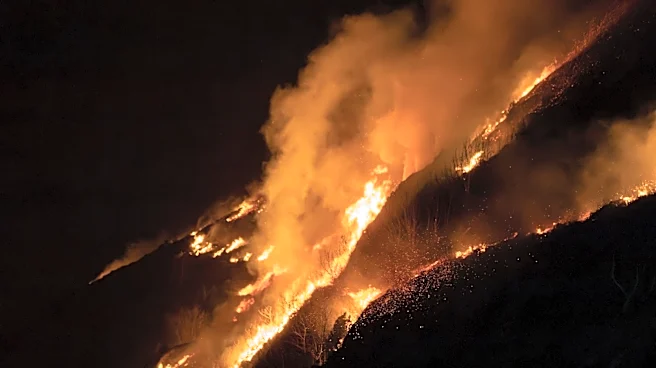
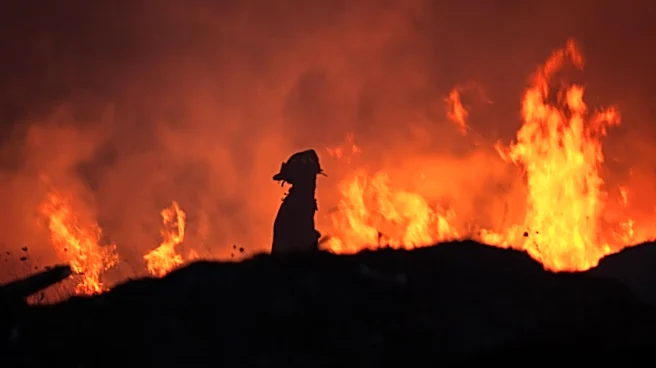
Tree scientists are uncovering historical weather patterns by studying tree rings, which provide insights into past storms, droughts, and wildfires. These rings, found in trees across Alaska, Arizona, and other regions, offer data that extends beyond
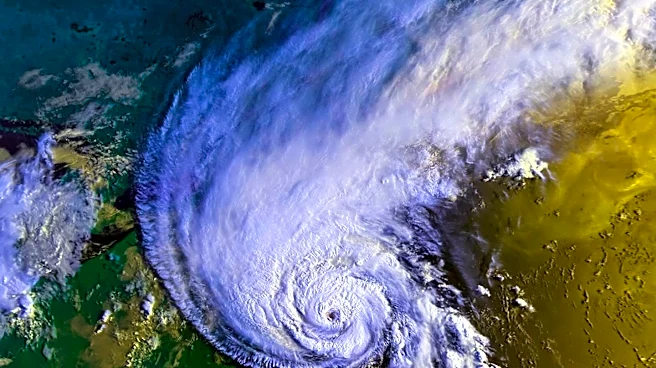
modern satellite imagery. The width, density, and spacing of tree rings document significant weather events, including floods and hurricanes. Researchers are particularly interested in trees that grow slowly, such as those in boreal forests, to study climate trends. This research helps fill gaps in historical weather data, especially for events like El Niño, which have limited satellite records.
Why It's Important?
Understanding historical weather patterns through tree rings is crucial for predicting future climate events and their impacts. This research can inform public policy and disaster preparedness, as it provides a long-term perspective on the frequency and intensity of events like hurricanes and droughts. By expanding the data available for analysis, scientists can improve predictions and potentially mitigate the effects of future natural disasters. This knowledge is vital for industries such as agriculture and insurance, which are directly affected by climate variability.
What's Next?
Researchers will continue to collect and analyze tree ring data to expand the historical record of weather events. This ongoing work will involve studying trees in various regions to understand how different climates affect tree growth. The findings could lead to improved models for predicting the impacts of climate change and inform strategies for resilience and adaptation. Collaboration with other scientific fields may also enhance the understanding of how past climate events influence current environmental conditions.
Beyond the Headlines
The study of tree rings not only provides scientific insights but also raises ethical and cultural questions about how societies respond to climate change. As trees serve as 'witnesses' to historical events, they remind us of the long-term impacts of human activity on the environment. This research highlights the importance of preserving natural landscapes and considering the ecological legacy we leave for future generations.