



What's Happening?
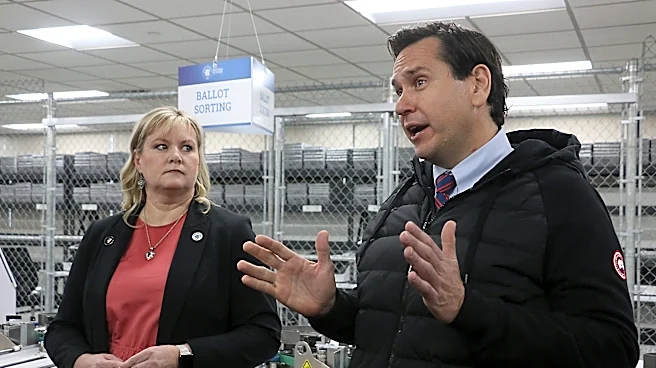
U.S. Rep. William Keating and his challenger, Craig Swallow, engaged in a radio debate where they clashed over various issues, including campaign finance reform and legislative priorities. Swallow identified campaign finance reform as his primary legislative focus,
advocating for a measure he referred to as H.R. 4899, which aims to ban political action committee (PAC) contributions. He argued that 'dark money in politics' erodes public trust. Keating, while not naming a specific bill as his top priority, expressed concern about the influence of super PACs, stating they can 'overwhelm the whole fundraising act.' The debate also touched upon the issue of members of Congress trading individual stocks, with Keating stating his retirement funds are managed by third parties and supporting legislation to prohibit such trading, while Swallow argued lawmakers should not hold stocks, especially in industries they regulate.
Why It's Important?
The debate between Keating and Swallow underscores the ongoing national discussion about the influence of money in U.S. politics and the integrity of elected officials. Swallow's emphasis on banning PAC contributions reflects a growing sentiment among some voters and candidates that corporate and special interest money distorts the democratic process. Keating's concern about super PACs highlights another facet of campaign finance, where independent expenditures can significantly impact elections without direct coordination with campaigns. The discussion on congressional stock trading is also critical, as it addresses potential conflicts of interest and the perception of lawmakers using their positions for personal financial gain. These issues are central to public trust in government and the fairness of the electoral system, impacting how legislation is crafted and whose interests are ultimately served.
What's Next?
The primary election between U.S. Rep. William Keating and Craig Swallow is scheduled for September 1, with the winner advancing to the November 3 general election to face Republican R. Tyler MacAllister for the 9th Congressional District seat. The outcome of this primary will determine which candidate's legislative priorities, including their approach to campaign finance reform, will be advanced in the general election. If Swallow were to win and pursue H.R. 4899, it could lead to significant changes in how political campaigns are funded. Regardless of the primary's result, the broader debate on campaign finance and congressional ethics is likely to continue, potentially influencing future legislative efforts at both federal and state levels.
Beyond the Headlines
The differing stances on campaign finance reform between Keating and Swallow reflect a deeper ideological divide within the Democratic party and the broader political landscape regarding the role of money in elections. Swallow's 'political integrity pledge' and rejection of PAC dollars represent a more populist, anti-establishment approach, aiming to dismantle perceived systemic corruption. Keating's focus on super PACs, while acknowledging the problem, suggests a more incremental approach to reform. This debate also touches upon the challenge of maintaining public trust in institutions when financial interests are perceived to influence policy. The discussion about congressional stock trading further highlights the ethical dilemmas faced by lawmakers and the ongoing struggle to ensure that public service is not intertwined with personal enrichment, potentially leading to calls for stricter ethics rules and greater transparency.