
What's Happening?
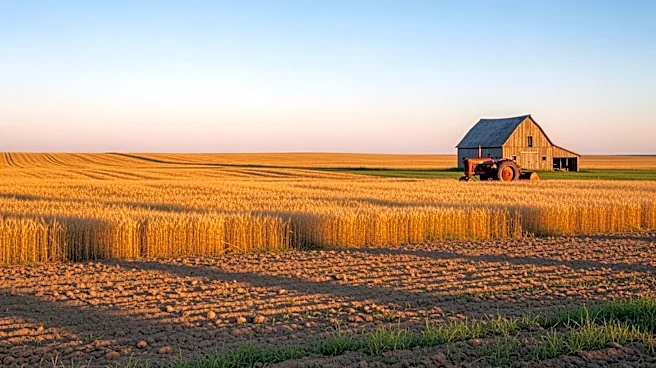
A new festival, Palisade Farm Fest, was held in Palisade, Colorado, bringing together farmers, food producers, and the community to celebrate agriculture. The event filled a calendar gap left by the Honey
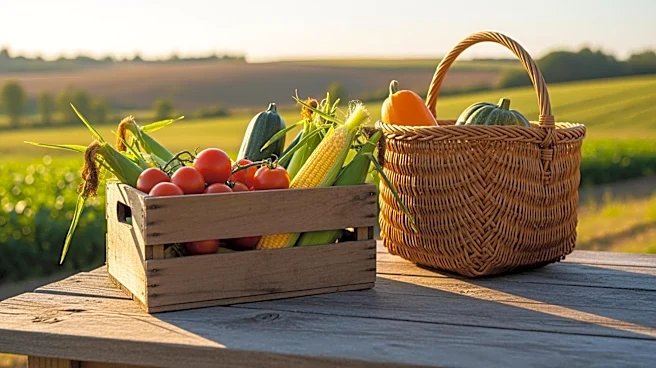
Bee Festival's relocation. It showcased the diverse agricultural practices in the region, featuring local breweries, wineries, cideries, and food growers. The festival highlighted value-added agriculture, demonstrating how agriculture impacts various industries, from beer and cider production to wine making. Additionally, the event focused on educating attendees about farming, water conservation, and soil health, addressing the region's water shortage issues. The festival also aimed to support migrant workers, with proceeds benefiting La Plaza, an organization that assists H-2A and migrant laborers.
Why It's Important?
The Palisade Farm Fest underscores the critical role of agriculture in the local economy and community. By highlighting value-added agriculture, the festival illustrates how agricultural practices extend beyond traditional farming, influencing multiple industries. This event not only promotes local agricultural products but also educates the public on sustainable practices, which is vital given the water scarcity challenges in Colorado. Furthermore, the festival's support for migrant workers is significant, as these laborers are essential to the agricultural sector. By directing funds to La Plaza, the festival helps provide resources and benefits to these workers, reinforcing the community's commitment to supporting those who contribute to its agricultural success.
What's Next?
Organizers of the Palisade Farm Fest hope to make it an annual event, providing a recurring platform for farmers and ranchers to connect with the community. This continuity could strengthen local agricultural networks and enhance public awareness of sustainable practices. As the festival grows, it may attract more participants and sponsors, increasing its impact on the local economy and its ability to support migrant workers. The success of this inaugural event could inspire similar initiatives in other regions, promoting agricultural education and community support for migrant laborers across the state.