



What's Happening?
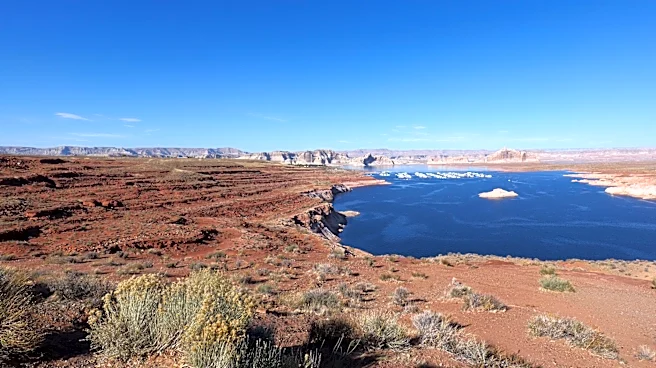
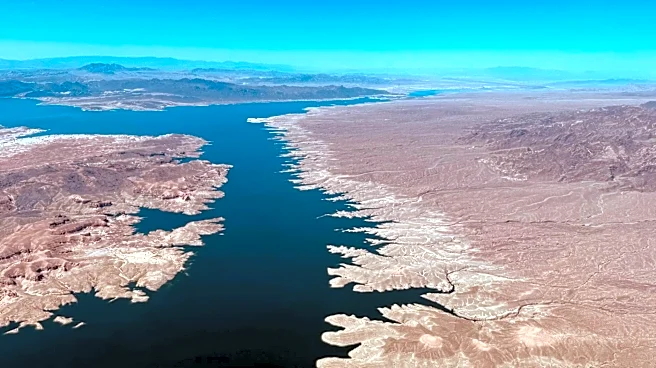
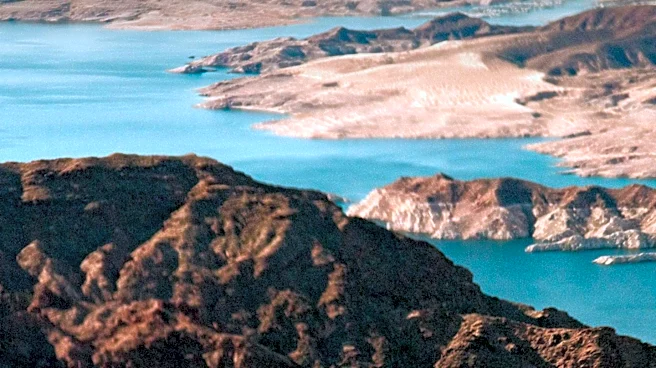
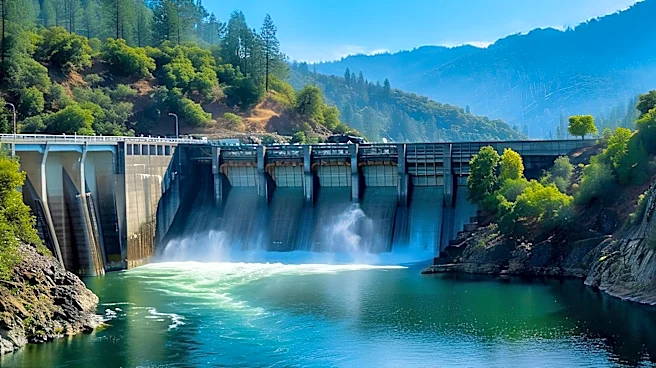
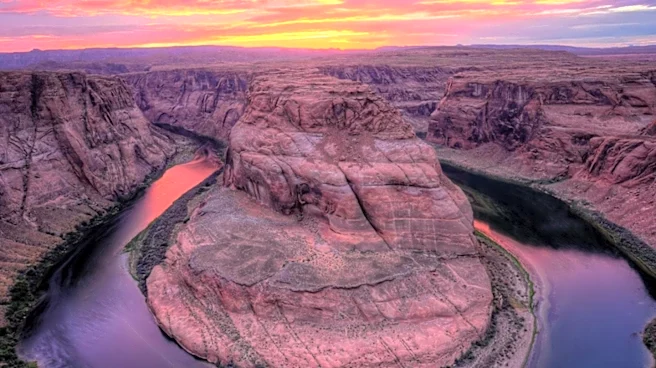
The Colorado River, a vital water source for seven Western U.S. states, is experiencing unprecedented low water levels in its reservoirs, Lake Mead and Lake Powell. This has led to a deadlock among the states over how to allocate the shrinking water supply.
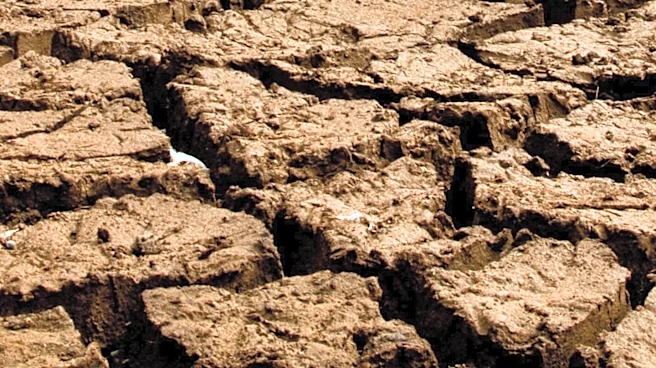
The federal government is now considering implementing substantial cuts to water usage to address the crisis. The river's diminishing flow is attributed to prolonged drought conditions, climate change, and increased water demand due to population growth. The situation has reached a critical point, with potential implications for water availability, agriculture, and energy production in the region.
Why It's Important?
The looming federal cuts to Colorado River water usage could have far-reaching effects on the Western U.S. economy and environment. Water shortages may lead to higher costs for cities and farmers, impacting food prices and urban water supply. The crisis highlights the vulnerability of water resources in the face of climate change and the need for sustainable management practices. The inability of states to reach an agreement underscores the challenges of interstate water governance and the importance of federal intervention in resolving resource conflicts.
What's Next?
As the federal government prepares to impose water usage cuts, states will need to intensify negotiations to find a mutually agreeable solution. The potential for reduced hydroelectric power generation from Lake Powell adds urgency to the situation. Stakeholders, including state governments, water management agencies, and the public, will need to collaborate on developing long-term strategies for water conservation and resource allocation. The outcome of these negotiations will have significant implications for the region's water security and economic stability.