



What's Happening?
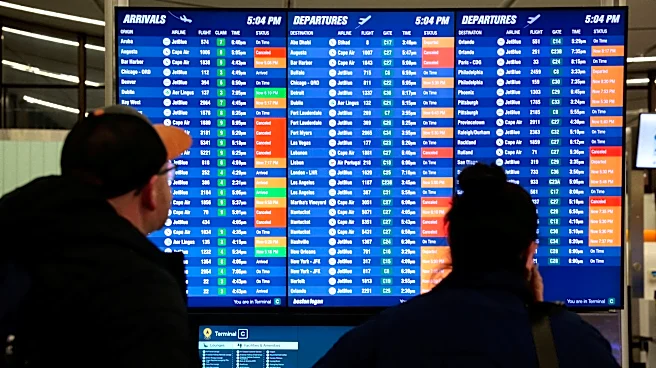
The Federal Aviation Administration (FAA) issued a nationwide ground stop on Friday, causing significant disruptions and halting flights at Dallas-Fort Worth (DFW) airports and Love Field. The FAA attributed the ground stop to a "telecommunications issue,"
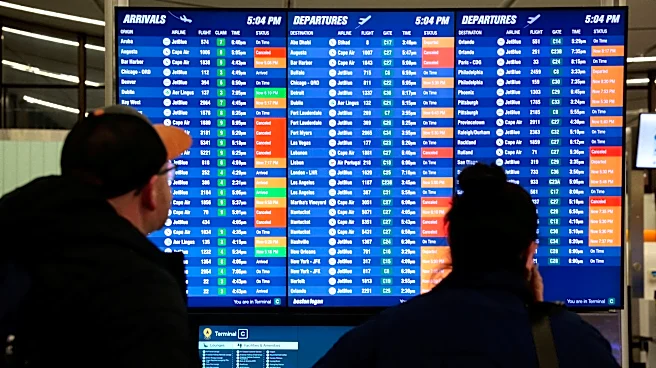
which prevented aircraft from departing across the country. This unexpected event left numerous passengers stranded and led to widespread flight delays and cancellations. FOX 4's Peyton Yager reported live from DFW Airport and Love Field, detailing the immediate impact on travelers and airport operations. The ground stop created a ripple effect, affecting travel plans for thousands of individuals and causing logistical challenges for airlines and airport staff. The precise nature of the telecommunications issue was not immediately detailed, but its impact was felt across the entire U.S. air travel system.
Why It's Important?
This nationwide ground stop is important because it underscores the critical reliance of modern air travel on robust and secure telecommunications infrastructure. A single point of failure, such as a telecommunications issue, can bring the entire system to a halt, demonstrating the fragility of interconnected systems. For the U.S. economy, such disruptions can lead to significant financial losses for airlines, airports, and businesses that depend on timely air cargo and business travel. Passengers face not only inconvenience but also potential financial losses due to missed connections, canceled events, and unexpected accommodation costs. The event also highlights national security implications, as a compromised or malfunctioning air traffic control system could pose risks beyond mere travel delays. It serves as a stark reminder of the need for continuous investment in and modernization of critical national infrastructure.
What's Next?
Following the lifting of the nationwide ground stop, the immediate next steps involve airlines working to clear the backlog of delayed and canceled flights. This process is expected to take time, with residual delays and cancellations likely to persist for several hours or even days as airlines reposition aircraft and crews. The FAA will undoubtedly conduct a thorough investigation into the telecommunications issue to identify its root cause and implement measures to prevent similar occurrences in the future. This investigation may lead to recommendations for upgrades in communication systems, enhanced cybersecurity protocols, or changes in operational procedures. Passengers affected by the ground stop will be seeking information on rebooking options and compensation for their disrupted travel plans. The incident could also prompt a broader review of the resilience of the U.S. air traffic control system by government agencies and congressional committees.
Beyond the Headlines
Beyond the immediate operational and economic impacts, this incident raises broader questions about the vulnerability of critical national infrastructure to technological failures or potential cyberattacks. The reliance on complex digital systems for essential services like air traffic control means that a single technical glitch can have cascading effects across the nation. This event could spur increased investment in redundant systems and advanced cybersecurity measures to protect against future disruptions. It also highlights the psychological impact on travelers, who increasingly expect seamless and reliable travel experiences. The incident may also fuel public debate about the balance between technological advancement and system resilience, and the need for contingency plans that can effectively manage widespread disruptions. Ultimately, it serves as a case study for understanding the interconnectedness of modern society and the profound implications of infrastructure failures.