





What's Happening?
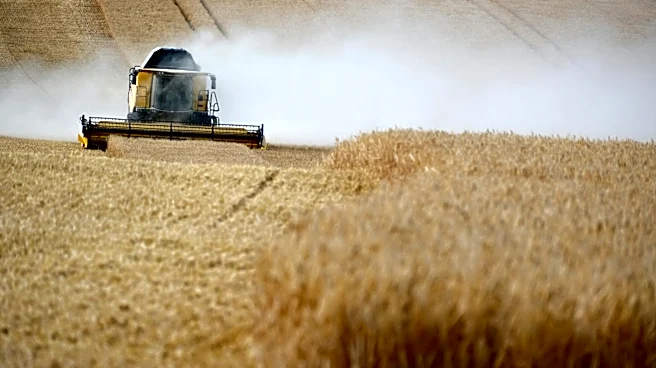
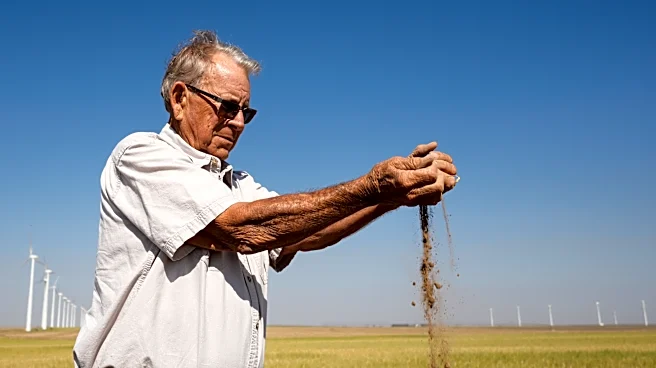
Farmers in the Southern Plains, particularly in Texas, Oklahoma, and Kansas, are grappling with severe drought conditions that are affecting their agricultural decisions. According to a recent webinar by the National Integrated Drought Information System,
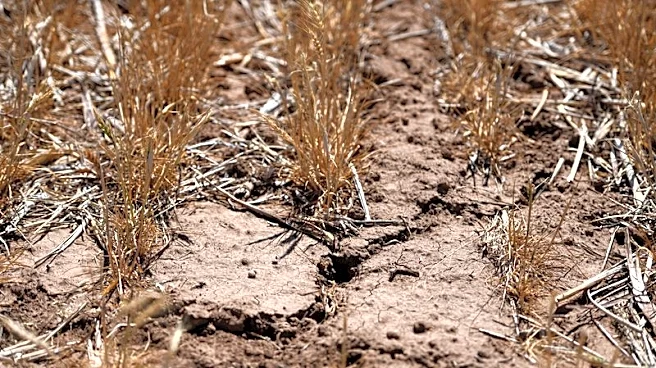
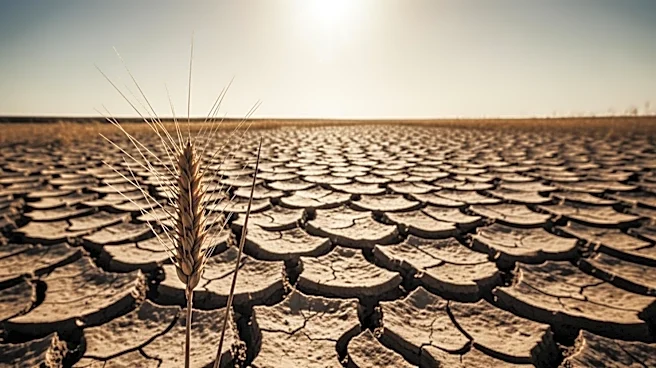
the drought has led to record failure rates in wheat crops and extreme water stress on rangelands. Jourdan Bell from Texas A&M AgriLife Extension highlighted that the drought is increasing farmers' reliance on federal crop insurance, which is becoming more expensive. The declining Ogallala Aquifer has further limited irrigation capacities, forcing farmers to concentrate irrigation on reduced acreage. This situation is exacerbated by the need to manage soil erosion and maintain soil health, as drought conditions lead to hardened soils and increased weed pressure.
Why It's Important?
The ongoing drought in the Southern Plains has significant implications for the agricultural sector, affecting both crop yields and economic viability. Farmers are increasingly dependent on federal crop insurance to mitigate risks, but rising premiums add financial strain. The reduced irrigation capacity due to the declining Ogallala Aquifer limits farmers' ability to stabilize production, particularly for water-intensive crops like corn. This situation could lead to shifts in crop choices, with more farmers opting for drought-resistant crops like sorghum. The broader impact includes potential increases in food prices and economic challenges for rural communities reliant on agriculture. The need for sustainable water management and soil conservation practices is critical to mitigate long-term impacts.
What's Next?
Farmers in the Southern Plains will need to adapt their strategies to cope with the ongoing drought conditions. This may involve shifting to more drought-resistant crops, investing in soil conservation practices, and exploring alternative water management solutions. Policymakers and agricultural organizations may need to provide additional support and resources to help farmers navigate these challenges. The situation also underscores the importance of addressing climate change and its impact on agriculture, as droughts are expected to become more frequent and severe. Continued monitoring of weather patterns and water resources will be essential for future planning and risk management.
Beyond the Headlines
The drought in the Southern Plains highlights the complex interplay between environmental conditions and agricultural practices. The reliance on irrigation and crop insurance underscores the vulnerability of the agricultural sector to climate variability. The situation raises ethical and policy questions about water resource management and the sustainability of current agricultural practices. Long-term solutions may require a reevaluation of land use policies, investment in water-saving technologies, and increased support for research into drought-resistant crop varieties. The cultural and economic fabric of rural communities is also at stake, as prolonged droughts could lead to demographic shifts and changes in land ownership patterns.