








What's Happening?
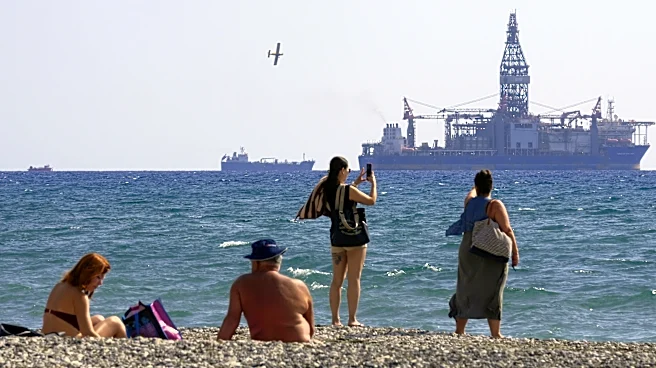
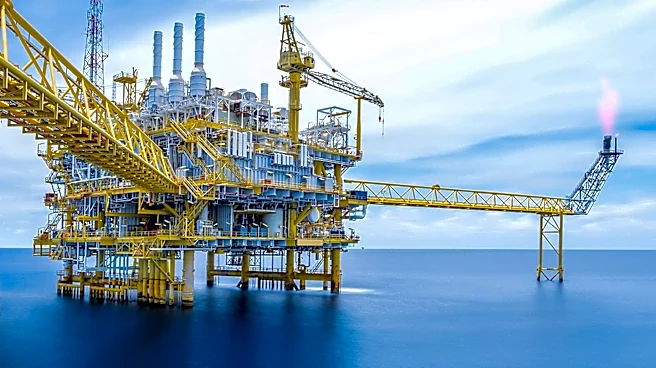
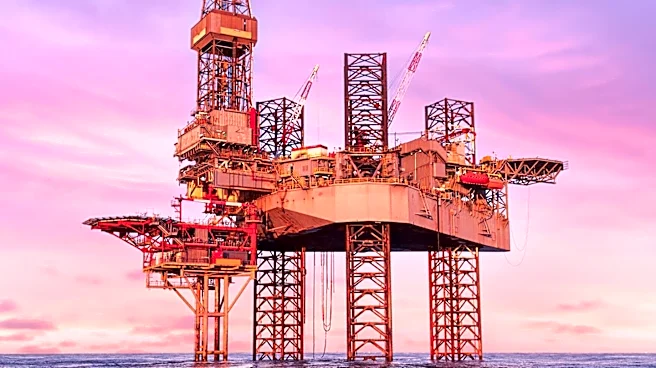
ExxonMobil, in partnership with QatarEnergy, has announced plans to start the flow of natural gas from two undersea deposits off Cyprus by 2033. These deposits, named Glaucus and Pegasus, are located in Block 10 of Cyprus' exclusive economic zone and are estimated
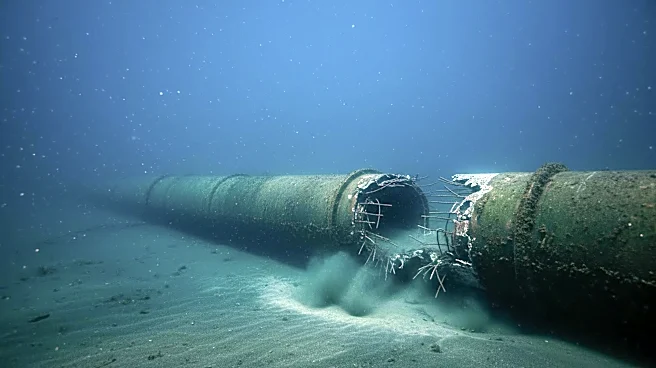
to contain approximately 7 trillion cubic feet of gas. The most feasible option for transporting the gas is through a pipeline to existing processing facilities in Egypt, where it can be liquefied for export. This decision follows a deal signed with Cyprus declaring the deposits commercially viable. The consortium is also considering expanding its exploration efforts in the region, with additional drilling planned at the Pegasus deposit later this year.
Why It's Important?
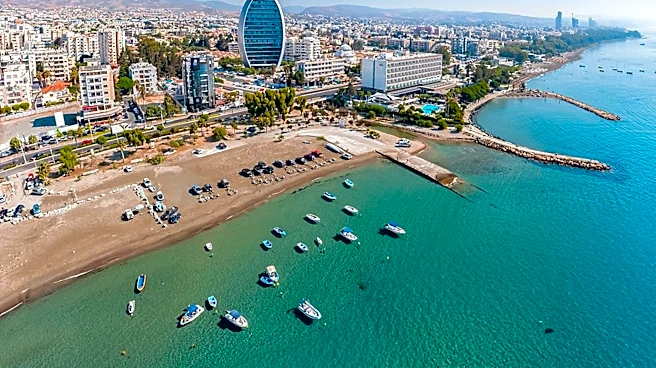
The development of these natural gas deposits is significant for Cyprus as it positions itself as a new energy source for Europe, especially in light of the continent's ongoing energy diversification efforts. The project could enhance Cyprus' role in the Eastern Mediterranean energy landscape, potentially reducing European reliance on traditional energy suppliers. For ExxonMobil and QatarEnergy, this venture represents a strategic expansion in a region with promising energy potential. The collaboration between Cyprus and Egypt underscores the importance of regional cooperation in energy projects, which could lead to increased economic and geopolitical stability in the area.
What's Next?
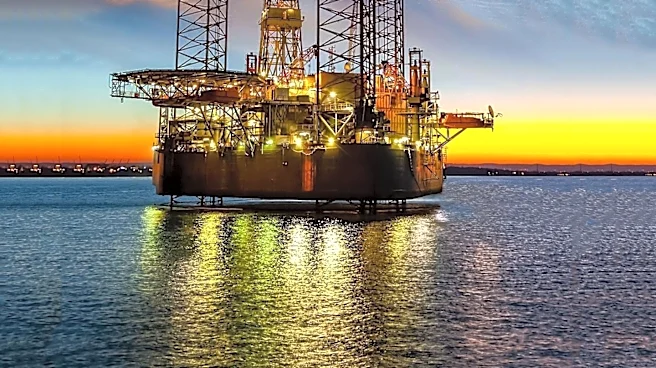
The consortium plans to conduct further drilling at the Pegasus deposit by the end of the year to gather more data for development. As the project progresses, stakeholders will likely focus on securing the necessary infrastructure and regulatory approvals to facilitate the gas flow by the projected 2033 timeline. The success of this project could encourage further exploration and investment in the region, potentially attracting more international energy companies to Cyprus' exclusive economic zone.