
What's Happening?
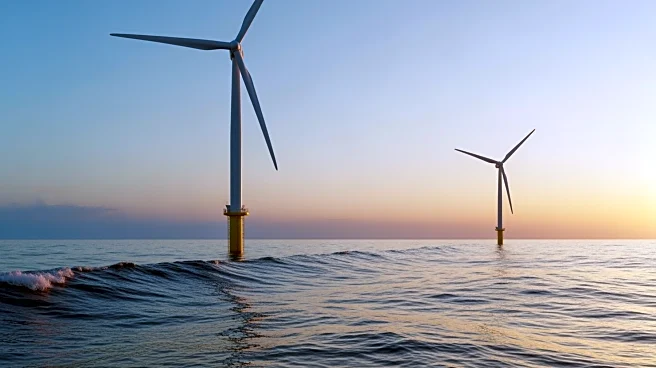
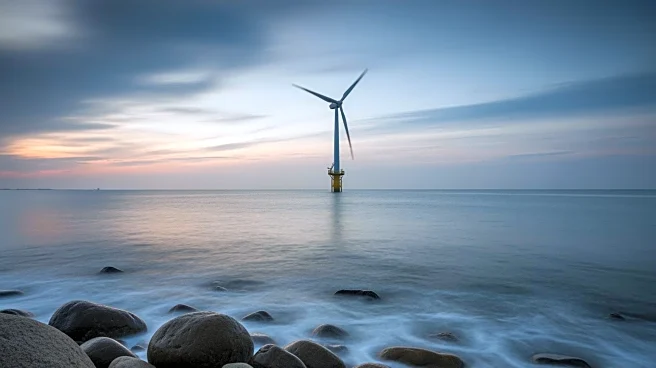
The Trump administration has paused five offshore wind projects, citing national security concerns. These projects, if completed, could power approximately 2.7 million homes for up to 30 years using wind energy,
a clean and renewable resource. The decision has sparked criticism, as it is seen as a move that benefits fossil fuel interests, which have historically opposed renewable energy initiatives. A 2023 investigation by Brown University revealed that fossil fuel and dark money donors have contributed over $72 million to organizations opposing offshore wind projects. The suspension of these projects is viewed as a setback for the transition to clean energy, which is crucial for reducing carbon emissions and combating climate change.
Why It's Important?
The halt of offshore wind projects by the Trump administration has significant implications for the U.S. energy landscape. Offshore wind is a key component of the nation's strategy to transition to renewable energy sources, which are essential for reducing reliance on fossil fuels and mitigating climate change. The decision to pause these projects could slow down progress towards energy independence and sustainability. Additionally, it raises concerns about the influence of fossil fuel interests on energy policy. The move could also impact energy costs, as wind energy is generally cheaper and less environmentally damaging than fossil fuels. The suspension may hinder efforts to meet growing electricity demands, especially with the increasing energy consumption of AI data centers.
What's Next?
The future of these offshore wind projects remains uncertain. Stakeholders, including environmental groups and renewable energy advocates, are likely to challenge the administration's decision. There may be calls for Congress to intervene and ensure that the permitting process for renewable energy projects is not unduly influenced by political considerations. The debate over the balance between national security and energy independence is expected to continue, with potential implications for future energy policies. The outcome of this situation could set a precedent for how renewable energy projects are handled in the U.S., influencing the country's ability to meet its clean energy goals.
Beyond the Headlines
The suspension of offshore wind projects highlights the ongoing tension between fossil fuel interests and renewable energy initiatives. It raises ethical questions about the role of money in shaping energy policy and the potential conflicts of interest that may arise. The decision also underscores the need for a comprehensive energy strategy that balances economic, environmental, and security considerations. Long-term, the halt could affect the U.S.'s position in the global renewable energy market, as other nations continue to invest in and expand their offshore wind capacities.