






What's Happening?
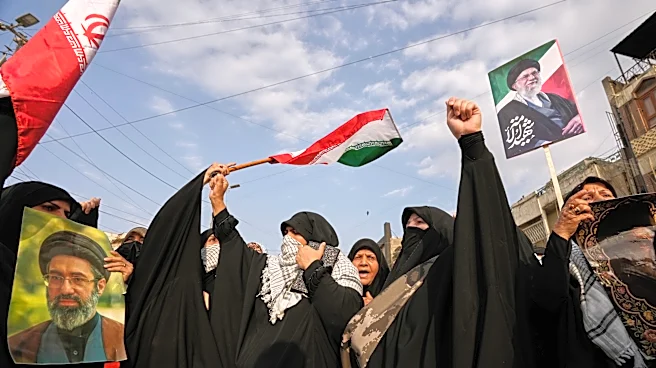
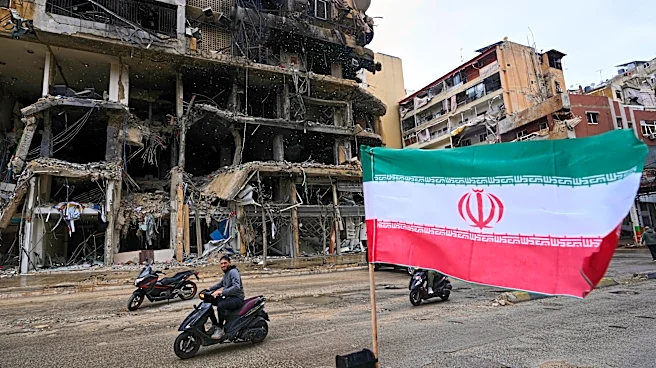
Lebanon has successfully distanced its political trajectory from Iran, despite efforts by Hezbollah to align Lebanon's negotiations with Iranian interests. This development follows a coordinated attempt by Hezbollah and allied forces to influence Lebanon's national
decision-making. The Lebanese government, led by President Joseph Aoun, has taken a firm stance against negotiating on Lebanon's behalf in the context of U.S.-Iran talks. The Lebanese army's deployment in Beirut to demilitarize the city further underscores this separation. The failure of Hezbollah's strategy is compounded by ongoing Lebanese-Israeli negotiations, which continue despite regional tensions.
Why It's Important?
Lebanon's move to separate its path from Iran is significant in the context of regional geopolitics. It highlights the country's efforts to assert its sovereignty and navigate complex international dynamics. This separation could alter the balance of power in the region, reducing Iran's influence in Lebanon and potentially impacting Hezbollah's strategic position. The development also reflects broader regional shifts, as countries reassess alliances and strategies amid ongoing conflicts and negotiations. Lebanon's actions may serve as a model for other nations seeking to balance domestic interests with external pressures.
What's Next?
The situation in Lebanon remains fluid, with potential implications for regional stability. The ongoing Lebanese-Israeli negotiations and the broader U.S.-Iran conflict will continue to influence Lebanon's political landscape. The Lebanese government's ability to maintain its independent course will be tested as regional tensions persist. Additionally, the outcome of these developments could impact Hezbollah's influence within Lebanon and its role in regional geopolitics. Observers will be watching closely to see how Lebanon navigates these challenges and what this means for the broader Middle East.