




What's Happening?
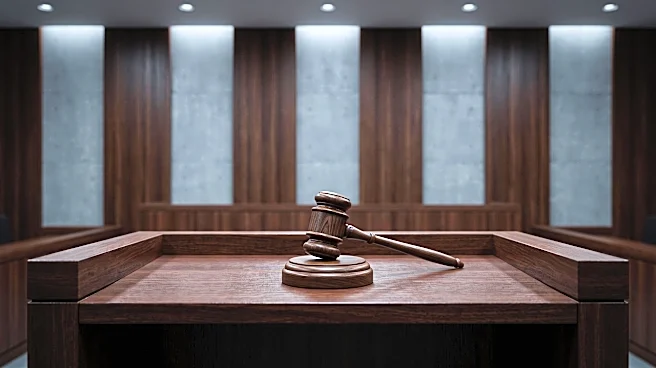
Minister Alexandre de Moraes of Brazil's Supreme Federal Court (STF) has ordered the destruction of seven weapons seized from former President Jair Bolsonaro. This decision follows Bolsonaro's conviction for crimes related to an armed criminal association,
with the court deeming the weapons instruments of these crimes. The order directs the weapons to the Comando de Operações Especiais do Exército for destruction after expert reports are prepared. Bolsonaro's defense had requested a 90-day period to allow for the transfer of ownership of the weapons, arguing for the preservation of the regulatory deadline for the holder of a cancelled registration certificate to manage controlled products. However, Minister Moraes rejected this request, asserting that weapons used or intended for an armed criminal association qualify as instruments of crime and are subject to confiscation as an effect of conviction. A Glock pistol, also seized, remains in the custody of the Civil Police of the Distrito Federal due to an ongoing investigation and was therefore excluded from the destruction order.
Why It's Important?
This ruling underscores the Brazilian judiciary's firm stance on accountability for political figures, particularly in cases involving alleged criminal association and the use of weapons. The decision to deny the defense's request for a transfer period and proceed directly with destruction highlights the court's interpretation of these items as direct instruments of crime, rather than personal property subject to standard regulatory procedures. This could set a precedent for how similar cases involving high-profile individuals and seized assets are handled in Brazil, emphasizing the legal consequences of conviction. For the U.S., while not directly impacted, such judicial actions in a major South American democracy can be observed as indicators of regional rule of law and democratic stability, which are often factors in diplomatic relations and international policy considerations. The case also reflects broader global discussions on gun control and the legal ramifications for individuals found to be involved in criminal activities, regardless of their former political status.
What's Next?
Following Minister Moraes's order, the seven weapons seized from former President Bolsonaro will be dispatched to the Comando de Operações Especiais do Exército for destruction, pending the completion of expert reports. The Glock pistol will remain under the custody of the Civil Police of the Distrito Federal as part of an ongoing investigation, indicating that further legal proceedings related to that specific weapon may unfold. This decision is likely to be a definitive step in the legal saga surrounding Bolsonaro's conviction and the assets associated with it. There may be continued public and political discourse in Brazil regarding the implications of this ruling, particularly concerning the rights of individuals convicted of crimes versus the state's power to confiscate and destroy property deemed instrumental to those crimes. The legal team for former President Bolsonaro may explore any remaining avenues for appeal or challenge, though the current order from the STF appears to be a conclusive directive on the fate of these specific weapons.
Beyond the Headlines
The destruction order for former President Bolsonaro's weapons extends beyond a simple legal procedure; it carries significant symbolic weight in Brazil's political landscape. It reinforces the principle that no individual, regardless of their past office, is above the law, and that instruments associated with criminal activity will be treated as such. This action could contribute to shaping public perception regarding the rule of law and the judiciary's independence in Brazil, especially in a politically polarized environment. Ethically, the decision to destroy rather than allow transfer of ownership emphasizes a punitive and deterrent approach, signaling a clear break from any perceived impunity for political elites. Culturally, it might influence the ongoing debate about gun ownership and control in Brazil, particularly given Bolsonaro's previous pro-gun stance. The case also highlights the long-term shifts in power dynamics within Brazilian politics, as the judiciary continues to assert its authority in holding former leaders accountable.