


What's Happening?
NASA's Galaxies Special Interest Group (SIG) is hosting a seminar on May 6, 2026, focusing on advancements in understanding galaxies during the first billion years of the universe. The seminar, led by Rebecca Larson from the Space Telescope Science Institute,
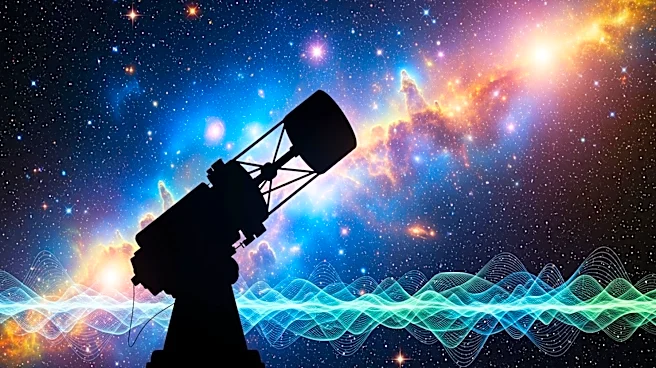
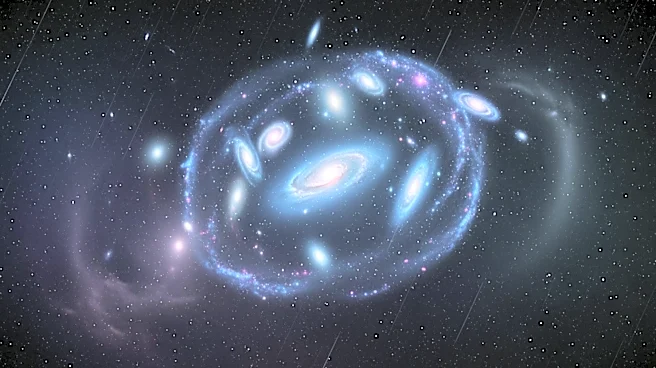
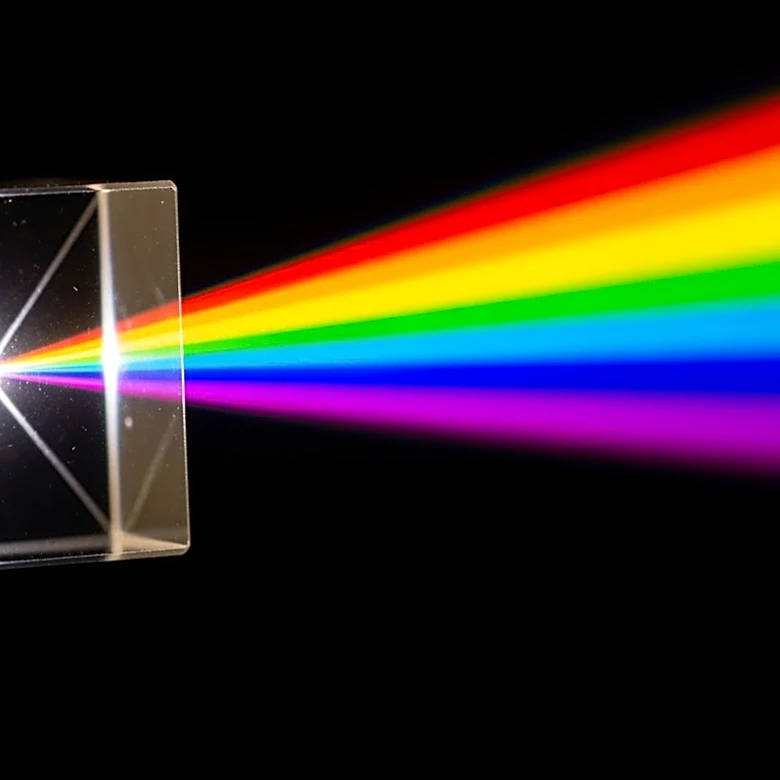
will discuss the epoch of reionization, a period when the universe's neutral gas became ionized. This phase change has historically obscured the study of early galaxies. However, the James Webb Space Telescope (JWST) has revolutionized this field by providing advanced spectroscopic capabilities in the near-infrared range, allowing for the discovery and characterization of distant galaxies and active galactic nuclei. The seminar will highlight findings from the Cosmic Evolution and Early Release Science survey, revealing an unexpected abundance of bright galaxies and active galactic nuclei in the early universe.
Why It's Important?
The seminar's focus on early universe discoveries is crucial for advancing our understanding of cosmic origins and the formation of galaxies. The JWST's capabilities have opened new avenues for research, enabling scientists to study galaxies from the epoch of reionization and beyond. These findings have significant implications for astrophysics, as they provide insights into the conditions and processes that shaped the early universe. The discovery of numerous bright galaxies and active galactic nuclei challenges existing theories and prompts further investigation into the mechanisms driving galaxy formation and evolution. This research enhances our knowledge of the universe's history and informs future astronomical studies.
What's Next?
As the JWST continues to provide unprecedented data on the early universe, researchers will likely focus on analyzing these findings to refine models of galaxy formation and evolution. The seminar will serve as a platform for discussing ongoing and future research initiatives, including upcoming JWST observation cycles. Collaboration among scientists and institutions will be essential to maximize the potential of the JWST and other advanced telescopes. The continued exploration of the early universe will contribute to a deeper understanding of cosmic origins and the fundamental processes that govern the universe.