




What's Happening?
The Anythink Nature Library in Thornton, Colorado, has officially opened its doors, marking a significant addition to the Anythink library system in Adams County. This new facility, located at the intersection of East 136th Avenue and Newport Street,
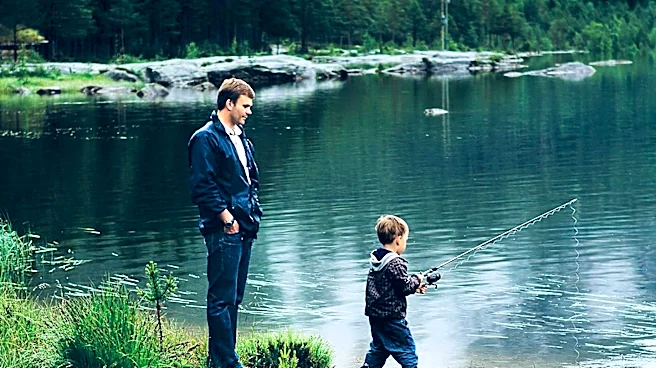
is designed to connect the community with nature through a unique blend of library services and outdoor experiences. The 33,000-square-foot library, which cost $43.4 million and took two years to construct, features a 15-acre campus with solar panels, a geothermal heating and cooling system, and various nature-based learning environments. Visitors can explore gardens, trails, and immersive learning spaces, and borrow 'try-its'—kits and equipment for outdoor exploration. The library aims to serve residents of Thornton and Adams County, but is open to all Colorado residents.
Why It's Important?
The opening of the Anythink Nature Library represents a novel approach to public library services, integrating environmental education and community engagement. By providing access to nature and outdoor learning tools, the library addresses a gap for residents, particularly those living in urban settings with limited access to natural spaces. This initiative not only promotes environmental awareness and education but also supports community well-being by encouraging outdoor activities. The library's focus on sustainability, as evidenced by its eco-friendly design, sets a precedent for future public infrastructure projects. Additionally, the library's model could inspire similar projects nationwide, emphasizing the importance of nature in public spaces.
What's Next?
The Anythink Nature Library plans to expand its offerings by increasing the number of 'try-its' available for borrowing, with a goal of reaching 1,500 items. The library will continue to seek community feedback to refine and enhance its services, ensuring it meets the evolving needs of its patrons. As the library becomes a community hub, it may host events and programs that further integrate nature and learning. The success of this project could lead to the development of similar nature-based libraries in other regions, promoting a broader movement towards integrating natural environments into public services.