




What's Happening?
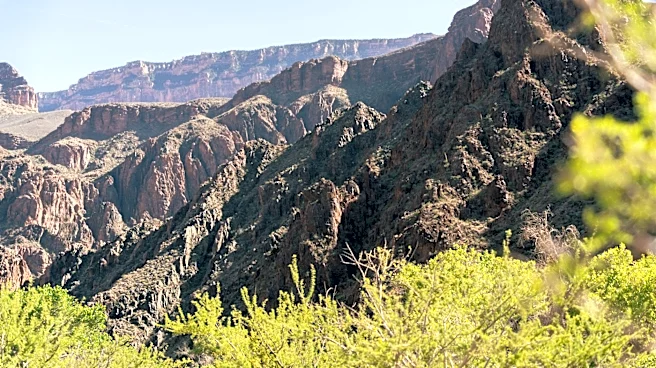
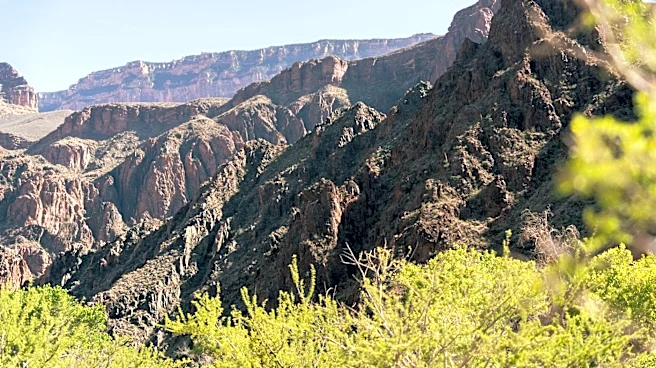
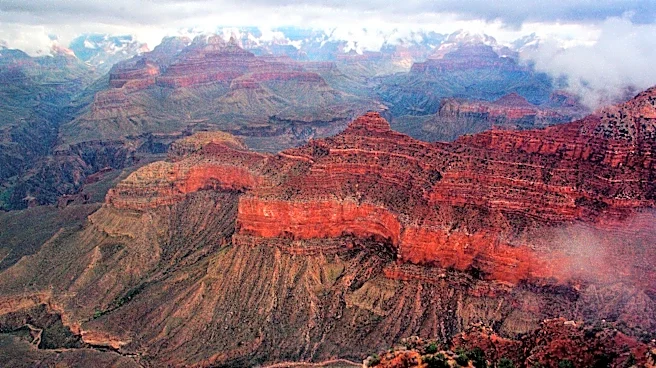
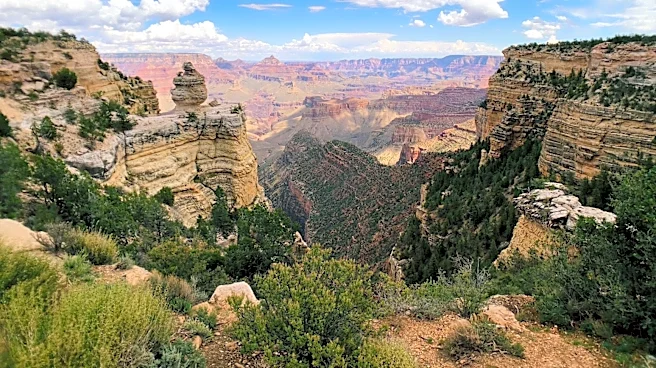
The US National Weather Service (NWS) has issued an extreme heat warning for the lower parts of the Grand Canyon, with temperatures expected to exceed 100°F (37.7°C) from Monday to Tuesday. The alert, effective from 10 am Monday to 7 pm Tuesday, predicts
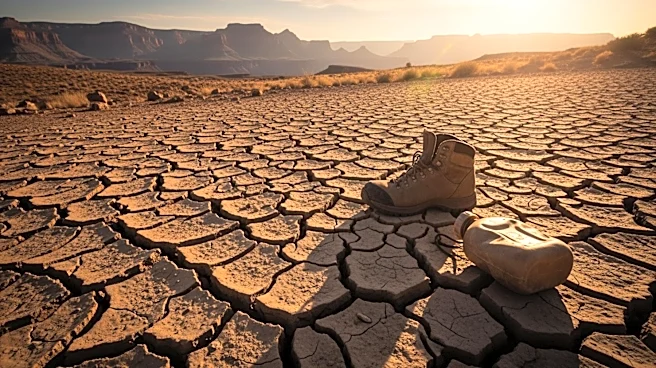
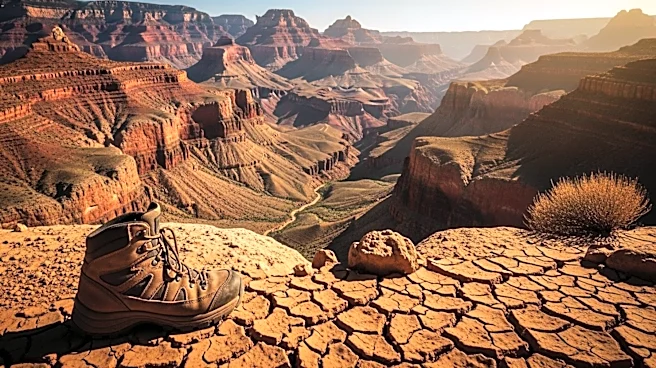
temperatures could reach as high as 112°F (44.4°C). This warning follows a series of recent heat-related deaths in the park, where three hikers succumbed to heat-related illnesses. The National Park Service (NPS) reported that these incidents occurred on the South Kaibab and North Kaibab Trails, where temperatures can exceed 109°F in the shade during midday. The NPS has advised visitors to avoid hiking between 10 am and 4 pm and to refrain from physical activity during these hours.
Why It's Important?
The extreme heat warning at the Grand Canyon highlights the increasing risks associated with climate change and its impact on popular tourist destinations. The recent deaths underscore the dangers of hiking in extreme temperatures, which can lead to heat-related illnesses and fatalities. This situation raises concerns about visitor safety and the need for enhanced public awareness and preparedness measures. The warning also reflects broader climate patterns affecting other regions, with similar heat advisories issued in parts of Oregon, California, Texas, and other states. The situation emphasizes the importance of addressing climate change and implementing strategies to protect both natural environments and public health.
What's Next?
In response to the extreme heat conditions, the NPS and local authorities may consider implementing additional safety measures, such as increased signage, public announcements, and possibly restricting access to certain trails during peak heat hours. There may also be a push for more comprehensive visitor education programs to ensure tourists are adequately prepared for the harsh conditions. Additionally, ongoing investigations into the recent deaths could lead to policy changes or recommendations to prevent future incidents. As climate change continues to influence weather patterns, similar warnings and adaptations may become more common across national parks and other outdoor recreational areas.