


What's Happening?
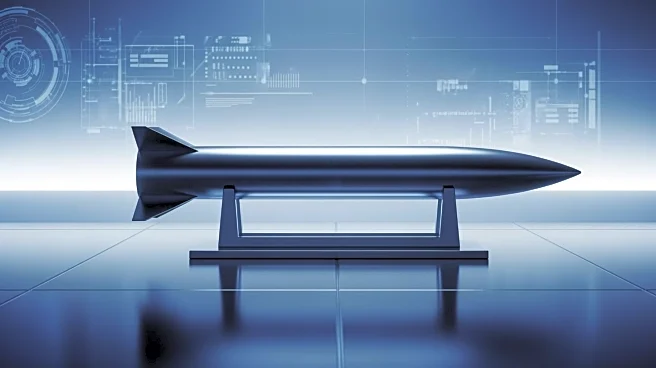
The U.S. Air Force has announced that its next-generation LGM-35A Sentinel nuclear missile is expected to reach initial operational capability in the early 2030s. This development follows a significant revamp of the program's acquisition plan, which is set
to conclude by the end of 2026. The Sentinel missile, manufactured by Northrop Grumman, is designed to replace the aging Minuteman III missiles, which have been in service for over 50 years. The program has faced substantial cost overruns, with initial estimates of $77.7 billion ballooning to approximately $160 billion due to the extensive infrastructure required for missile silos and launch control centers. In response to these challenges, the Pentagon initiated a critical Nunn-McCurdy breach review process in January 2024. Despite these setbacks, the Pentagon deemed the Sentinel program too vital to national security to cancel, prompting a restructuring effort to control costs and streamline the acquisition process.
Why It's Important?
The modernization of the U.S. nuclear deterrent is a critical priority for national security, as emphasized by Air Force Secretary Troy Meink. The Sentinel program aims to replace outdated systems with advanced capabilities, ensuring the U.S. maintains a credible deterrent against potential threats. The restructuring of the program, including the appointment of a direct reporting portfolio manager, is intended to expedite decision-making and enhance efficiency. This initiative reflects broader efforts to modernize the U.S. military's strategic capabilities, which are essential for maintaining global stability and peace through strength. The successful deployment of the Sentinel missile will have significant implications for U.S. defense policy and international relations, reinforcing the country's commitment to maintaining a robust nuclear arsenal.
What's Next?
The Air Force is expected to complete the restructuring of the Sentinel program by the end of 2026, with a new Milestone B decision anticipated. This will allow the program to proceed into its engineering and manufacturing development phase. The Pentagon's Office of Cost Assessment and Program Evaluation is likely to provide an independent cost estimate as part of this process. The Sentinel program's progress will be closely monitored by defense officials and policymakers, given its importance to national security. The successful implementation of the revamped acquisition strategy will be crucial in ensuring the timely delivery of the Sentinel missile, which is projected to achieve initial capability in the early 2030s.