

What's Happening?
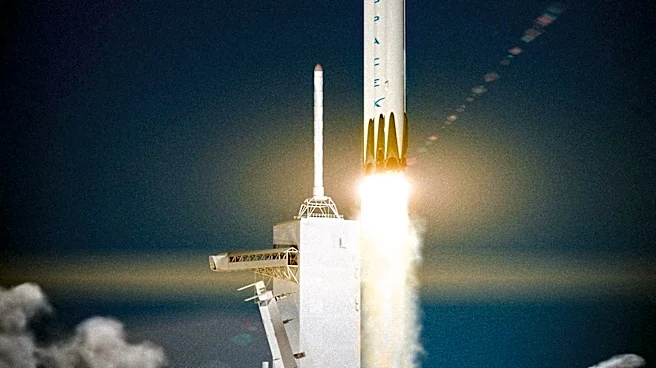
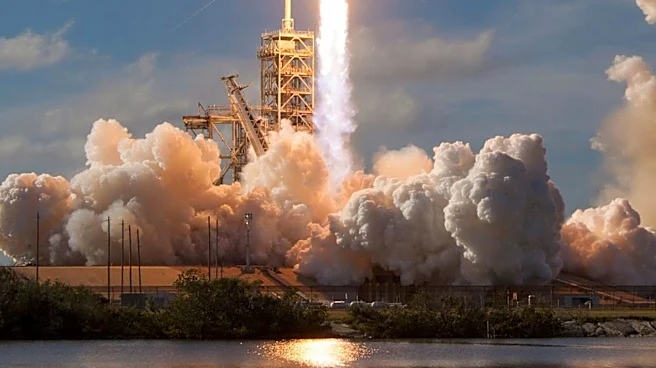
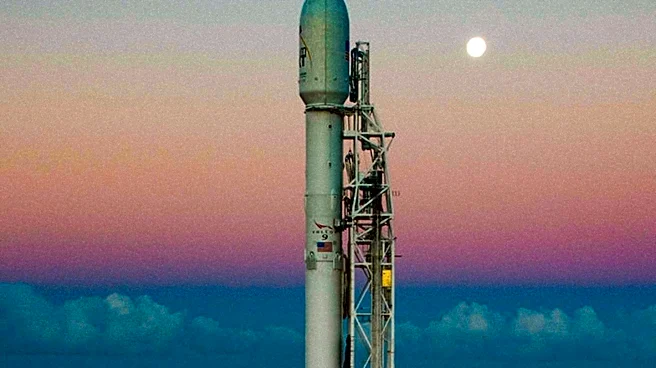
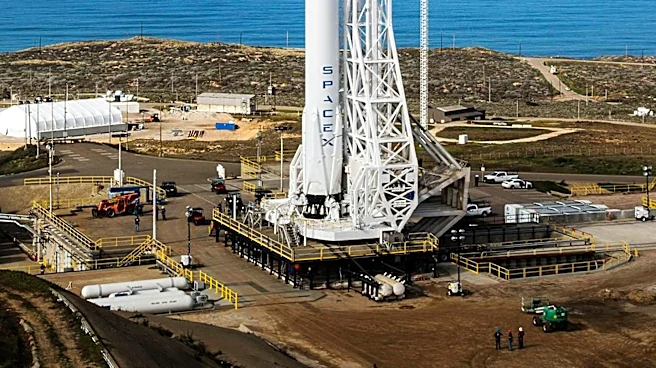
NASA has decided to launch its Sun Radio Interferometer Space Experiment (SunRISE) mission on a SpaceX Falcon Heavy rocket instead of the originally planned United Launch Alliance (ULA) Vulcan Centaur. This change follows an anomaly in one of Vulcan's
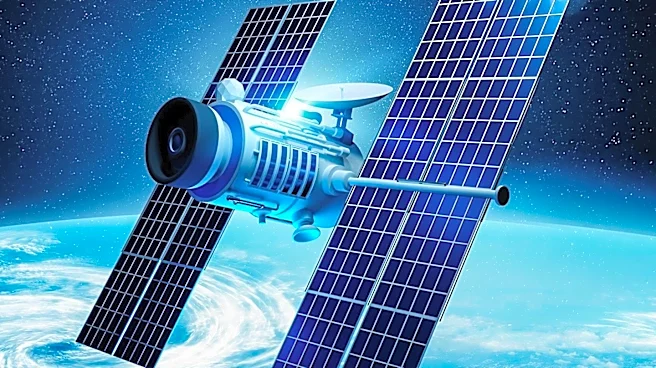
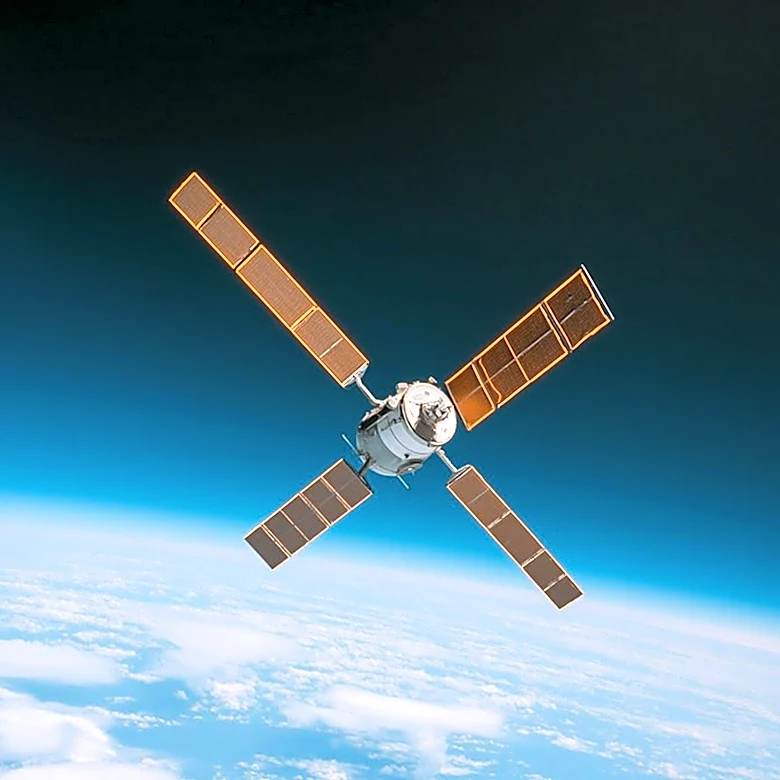
solid rocket boosters during a recent launch, prompting the U.S. Space Force's Space Systems Command to pause national security launches on Vulcan. SunRISE, a heliophysics study under NASA's Science Mission Directorate, involves six small satellites that will form a radio telescope to track solar radio bursts. These bursts can precede solar storms, which pose risks to satellites and astronauts. The mission aims to improve prediction models for space weather.
Why It's Important?
The decision to switch to SpaceX's Falcon Heavy highlights the importance of reliability in launch vehicles, especially for missions critical to national security and scientific research. The SunRISE mission's ability to track solar radio bursts is crucial for developing better space weather prediction models, which can mitigate the impact of solar storms on satellites and communication systems. This change also underscores the competitive landscape in the space launch industry, where reliability and performance are key factors for securing contracts.
What's Next?
The SunRISE mission is scheduled to launch later this year, although a specific date has not been announced. The U.S. Space Force and NASA will continue to monitor and address the issues with Vulcan Centaur to ensure future launches can proceed safely. Meanwhile, SpaceX's Falcon Heavy will continue to play a significant role in launching national security payloads and scientific missions, potentially increasing its market share in the space launch industry.