



What's Happening?
Extreme heat is increasingly impacting infrastructure in Hampton Roads, leading to operational challenges and necessitating proactive measures. Last June, the Great Bridge Bridge in Chesapeake was temporarily closed due to thermal expansion, as high daytime
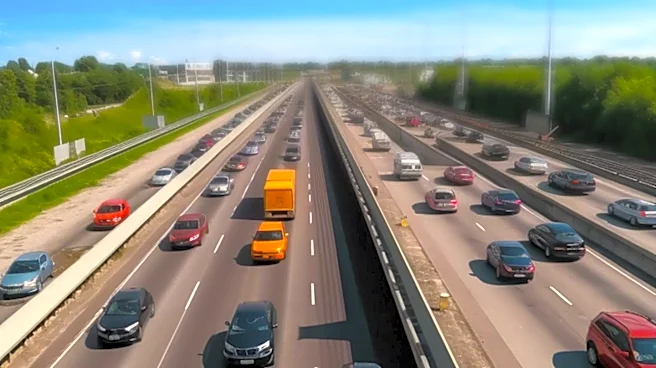
temperatures and insufficient overnight cooling caused the bridge's components to push against each other, preventing it from opening or closing. Chesapeake, the only Virginia city operating movable bridges, has since implemented protocols such as actively monitoring vulnerable bridges and spraying them with water when temperatures reach 90 degrees Fahrenheit. Longer-term plans include replacing bridge bearings to restore original tolerances. This issue extends beyond bridges, affecting roads, train tracks, and even electrical transmission lines, as materials expand and contract, causing stress and potential damage.
Why It's Important?
The increasing frequency and intensity of extreme heat events pose a significant threat to critical infrastructure across Hampton Roads and, by extension, other regions in the U.S. The thermal expansion of materials can lead to structural failures, operational disruptions, and increased maintenance costs for roads, bridges, and railways. These disruptions can cause significant delays in transportation, impacting commerce, daily commutes, and emergency services. Furthermore, the strain on infrastructure like electrical transmission lines can lead to power outages, affecting homes and businesses. This situation highlights the urgent need for infrastructure resilience planning and investment to adapt to changing climate conditions, ensuring the safety and functionality of essential public services and economic stability.
What's Next?
In response to the escalating challenges posed by extreme heat, infrastructure managers in Hampton Roads and beyond are exploring and implementing various mitigation strategies. Chesapeake plans to replace bridge bearings for long-term resilience. Other solutions include using reflective paints on tracks, shading connection points, and designing new infrastructure with greater thermal tolerances. The Virginia Department of Transportation (VDOT) continues to monitor its extensive network of roads and bridges, adapting maintenance practices to address heat-related issues. Utility companies like Dominion Energy are also adjusting their protocols for transmission lines. These efforts will likely involve ongoing research into heat-resistant materials and innovative engineering solutions, alongside continued monitoring and proactive maintenance to minimize disruptions and ensure public safety.
Beyond the Headlines
The impact of extreme heat on infrastructure reveals a deeper systemic challenge related to climate change adaptation. Much of the existing infrastructure was designed for historical climate norms, which are now shifting. This necessitates a fundamental re-evaluation of engineering standards, material science, and urban planning. The issue also highlights the interconnectedness of various infrastructure systems; a problem in one area, like transportation, can cascade into others, such as economic productivity or public health. Furthermore, the need for increased investment in resilient infrastructure raises questions about funding mechanisms, public-private partnerships, and the equitable distribution of resources to protect all communities. This situation underscores the long-term societal and economic costs of climate change and the imperative for comprehensive, forward-looking strategies.