





What's Happening?
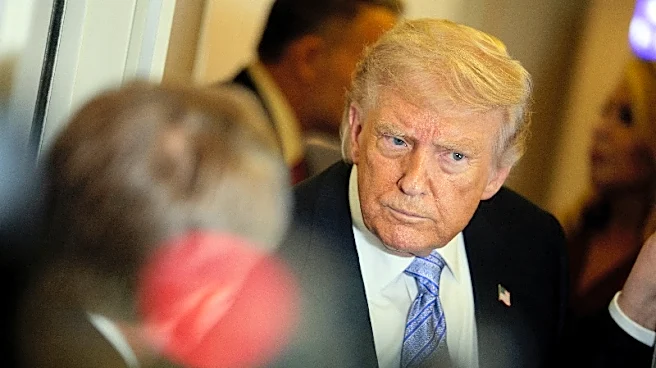
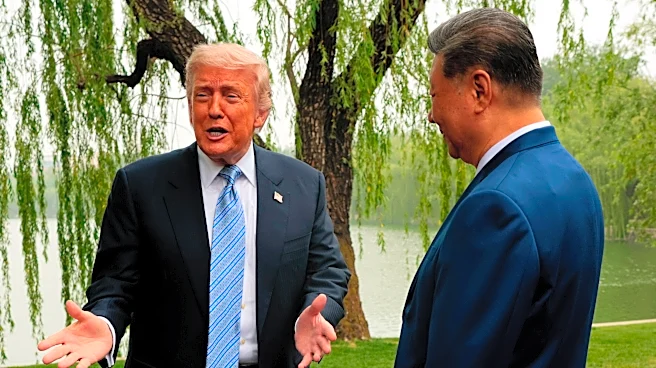
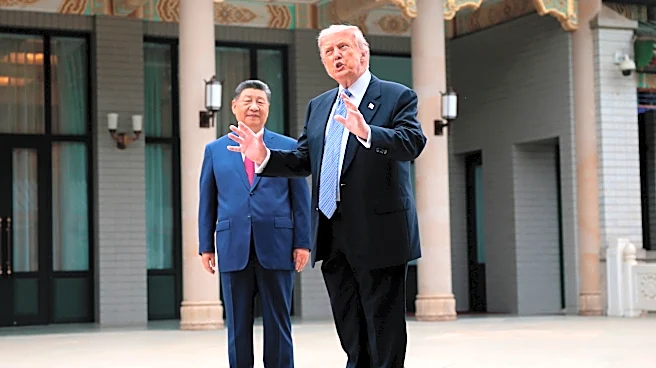
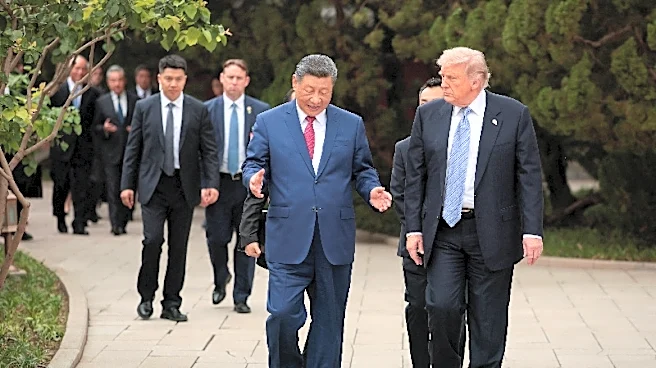
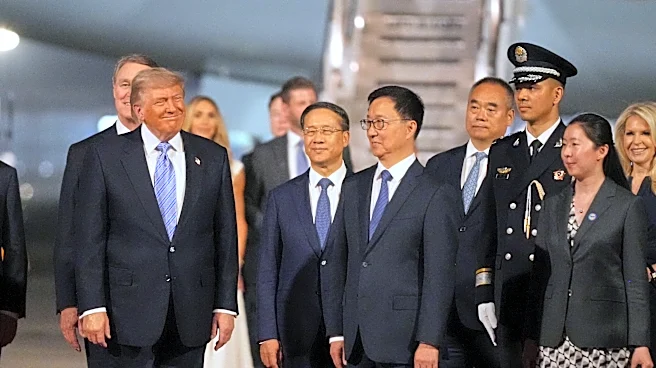
President Trump's recent comments on using arms sales to Taiwan as a negotiating tool with China have sparked concerns. In a Fox News interview, Trump suggested that the approval of a $14 billion arms package to Taiwan is contingent on negotiations with China.
This has raised anxieties in Taiwan, which relies on U.S. support for its defense. China views Taiwan as a breakaway province and has reacted strongly to U.S. arms sales. Trump's remarks have led to fears that Taiwan could be marginalized in U.S.-China negotiations, potentially affecting its security and regional stability.
Why It's Important?
Trump's approach to Taiwan as a bargaining chip in U.S.-China relations could have significant geopolitical implications. It risks undermining Taiwan's defense capabilities and emboldening China's aggressive posture. This strategy could destabilize the region and challenge U.S. commitments to Taiwan's security. Additionally, Trump's call for Taiwanese microchip manufacturers to relocate to the U.S. could disrupt global supply chains and economic relations. The situation highlights the complexities of balancing diplomatic strategies with regional security concerns.
What's Next?
The international community will be closely monitoring China's response to Trump's negotiation strategy and any potential shifts in U.S. policy towards Taiwan. Taiwan's government has reiterated the unchanged U.S. policy and expressed gratitude for American support. However, the situation remains dynamic, with potential for diplomatic fallout if negotiations do not adequately address Taiwan's security concerns. The outcome of these developments will have implications for regional stability and U.S.-China relations.