


What's Happening?
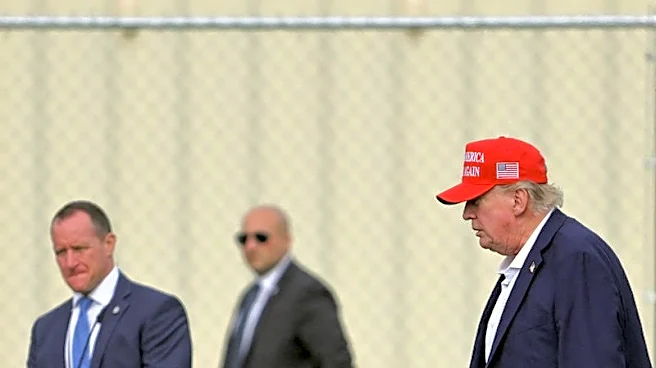
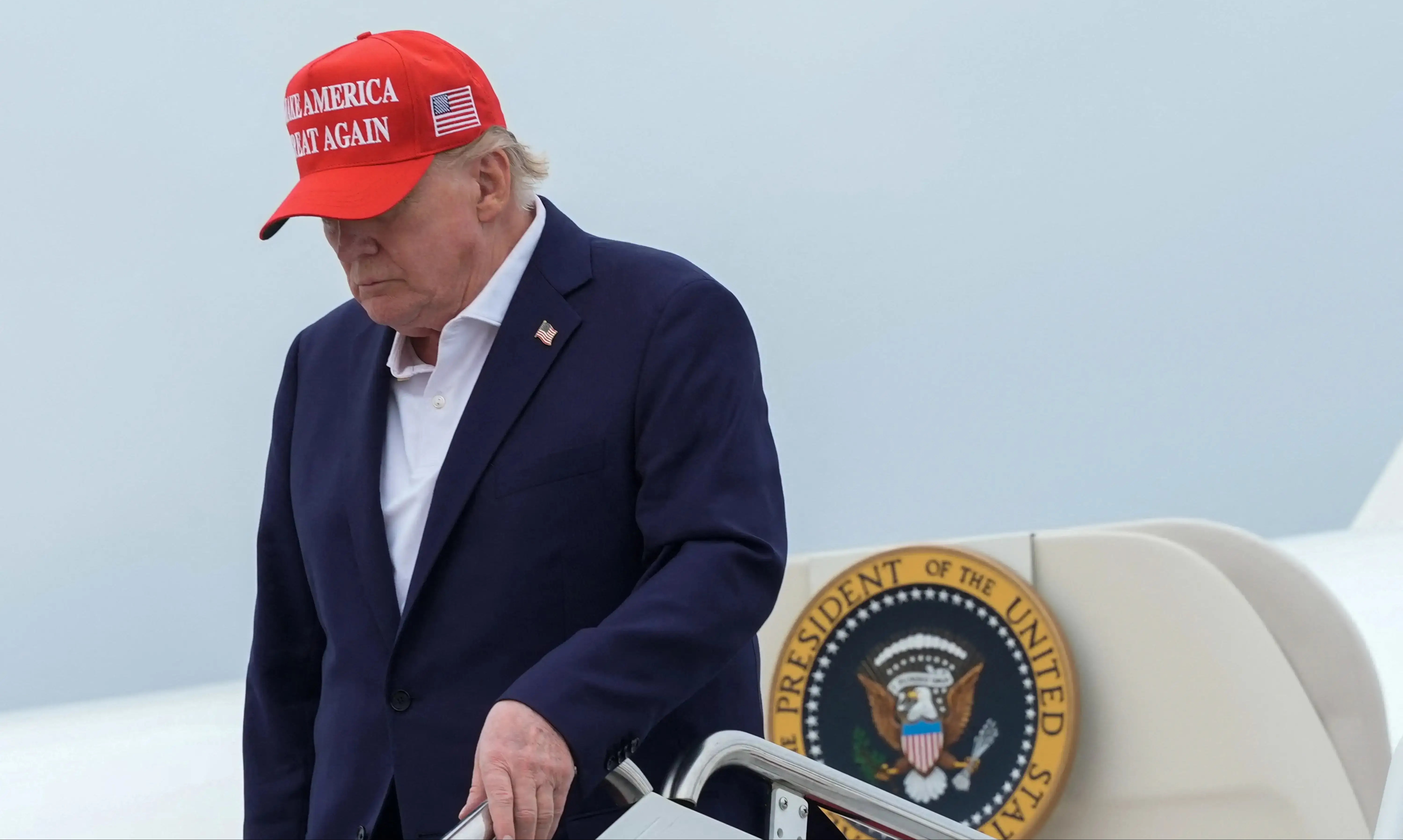
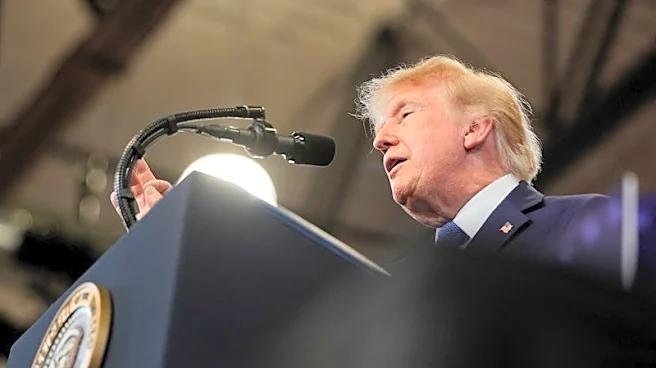
President Trump confirmed that the U.S. will not extend the 60-day deadline for peace talks with Tehran, as the U.S.-Iran memorandum of understanding (MOU) expired without major objectives being met. The MOU, signed on June 17, aimed to reopen the Strait
of Hormuz, end Iran’s nuclear program, and achieve a final peace deal. President Trump stated that while Iran desires a deal, they are unwilling to agree to the necessary terms, particularly regarding their nuclear program. Following the expiration, Treasury Secretary Scott Bessent announced that the Trump administration plans to implement unprecedented economic measures against Iran next week, signaling a shift towards intensified economic pressure. Traffic in the Strait of Hormuz has reportedly come to a standstill, with the U.S. Navy redirecting 64 commercial ships since mid-July.
Why It's Important?
This development marks a significant escalation in tensions between the U.S. and Iran, moving away from diplomatic efforts and towards a strategy of economic isolation. The failure of the MOU to achieve its objectives, particularly regarding Iran's nuclear program and the Strait of Hormuz, has critical implications for global energy markets and regional stability. The Strait of Hormuz is a vital chokepoint for international oil shipments, and its disruption could lead to increased oil prices and economic instability worldwide. The new economic measures promised by the Trump administration could further cripple Iran's economy, potentially leading to humanitarian concerns and increased internal unrest, while also risking retaliatory actions from Tehran.
What's Next?
The Trump administration is expected to announce new, unprecedented economic measures against Iran next week. These measures will likely target key sectors of the Iranian economy, aiming to exert maximum pressure. The situation in the Strait of Hormuz remains a critical point of contention, with President Trump suggesting the possibility of declaring it a U.S. territory and maintaining a blockade. Iran's foreign ministry has already dismissed the relevance of the 60-day deadline, indicating their unwillingness to engage in further talks under current conditions. The international community will be closely watching for Iran's response to the new economic sanctions and any potential military actions in the region, which could further destabilize the Middle East.
Beyond the Headlines
The shift from diplomatic engagement to economic warfare raises profound questions about the effectiveness of sanctions as a foreign policy tool and the potential for unintended consequences. While the Trump administration aims to compel Iran to abandon its nuclear ambitions, such aggressive measures could entrench hardliners in Tehran and push the country closer to other global powers. The rhetoric surrounding the Strait of Hormuz, including President Trump's suggestion of territorial claims, highlights the complex legal and geopolitical challenges of international waterways. This situation also underscores the broader U.S. foreign policy approach to nuclear proliferation, where the failure of one diplomatic effort may lead to a more confrontational stance, with significant long-term implications for global security and international relations.