



What's Happening?
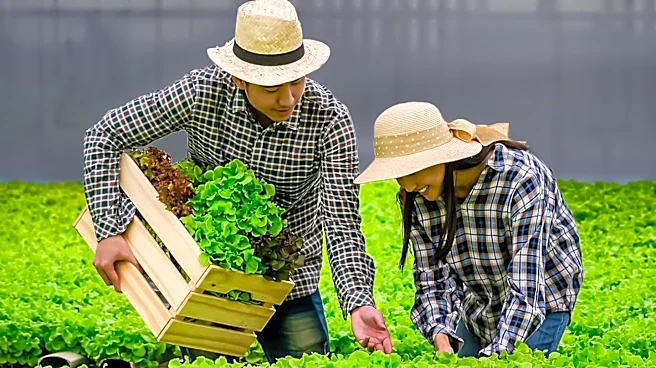
The Vegan Society of Ireland has urged Minister for Agriculture Martin Heydon to recognize horticulture as a viable diversification option for Irish farmers, alongside forestry, carbon farming, and renewable energy. This push comes as Ireland currently
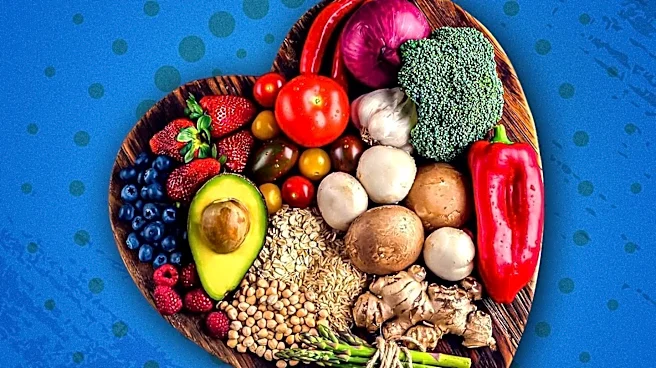
imports 83% of its fruit and vegetables, despite 81% of the adult population expressing a desire to consume more of these products. The Climate Change Advisory Council has highlighted a significant decline in commercial vegetable growers in Ireland, from over 600 in the 1990s to fewer than 70 today. Concurrently, more than half of the public supports diversifying agriculture towards plant-based production. The Irish Farmers’ Association (IFA) has expressed strong support for the Vegan Society of Ireland’s proposal for a national plant-based food fund, calling it 'really, really welcome.' This initiative aims to bridge the gap between high consumer demand for plant-based foods and the current reliance on imports, suggesting that the existing food system is not adequately supporting healthy dietary choices.
Why It's Important?
This development is important for the U.S. as it highlights a growing global trend towards plant-based agriculture and food security, which could influence U.S. agricultural policy and consumer markets. While specific to Ireland, the challenges of import dependency and declining domestic horticulture resonate with broader discussions in the U.S. regarding food supply chains and sustainable farming practices. The strong consumer demand for plant-based options in Ireland mirrors a similar, albeit perhaps less pronounced, shift in U.S. dietary preferences, indicating a potential for increased investment and innovation in plant-based food production. If successful, Ireland's approach could serve as a model for other nations, including the U.S., in developing national strategies to support plant-based value chains, from cultivation to consumption. This could lead to new opportunities for U.S. farmers to diversify crops and for food businesses to expand their plant-based offerings, ultimately impacting the U.S. agricultural economy and public health initiatives.
What's Next?
The next steps will likely involve continued dialogue between the Vegan Society of Ireland, the Irish Department of Agriculture, and farmer associations to develop and implement the proposed national plant-based food fund. This fund would aim to support the growth of plant-based value chains, addressing both demand and supply issues. It is anticipated that policy discussions will focus on how to incentivize farmers to transition to horticulture and plant-based crops, potentially through grants, subsidies, or educational programs. The success of these initiatives could lead to a significant reduction in Ireland's reliance on imported fruits and vegetables, fostering greater food security and economic opportunities within the country. Furthermore, the Irish Farmers’ Association's positive reception suggests a collaborative effort to reshape agricultural practices, which could set a precedent for other European nations and potentially influence agricultural policy discussions in the U.S. regarding sustainable and plant-based farming.
Beyond the Headlines
Beyond the immediate economic and agricultural implications, this movement in Ireland reflects a deeper societal shift towards sustainable and ethical food systems. The emphasis on plant-based agriculture is not merely about dietary preferences but also about addressing climate change, reducing environmental impact, and promoting animal welfare. The decline in commercial vegetable growers in Ireland, coupled with high import rates, underscores a vulnerability in national food security that many countries, including the U.S., are increasingly recognizing. This initiative could trigger a broader re-evaluation of agricultural subsidies and policies, moving away from traditional animal agriculture towards more environmentally friendly and plant-centric models. The ethical dimension of reducing reliance on animal agriculture, driven by consumer demand and advocacy groups, highlights a growing consciousness about the origins and impact of food production, potentially leading to long-term cultural and dietary transformations globally.