





What's Happening?
The average American household allocates a significant portion of its annual budget to transportation, spending approximately $13,492 per year. This figure represents 16.5% of total average annual expenditures for consumer units. The breakdown of this
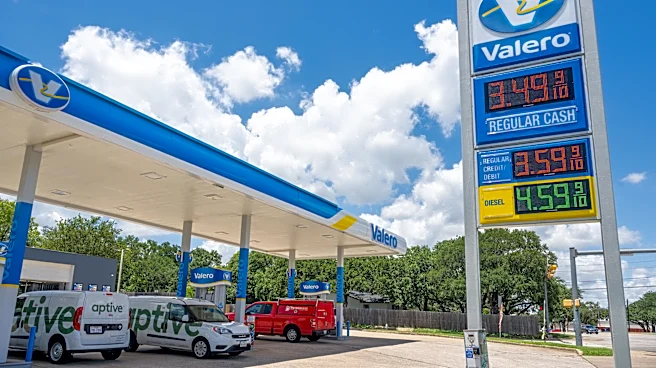
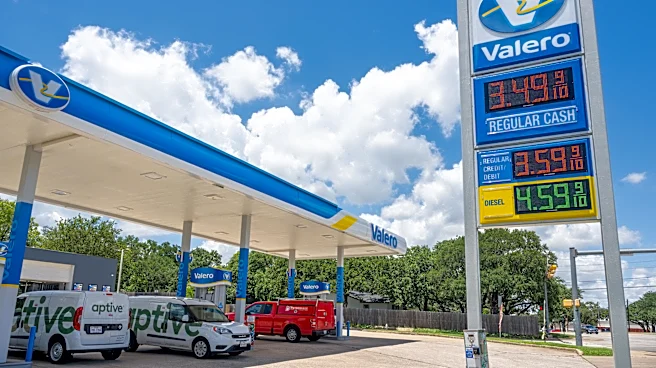
spending includes $5,023 for vehicle purchases, $2,503 for gasoline and other fuels, $4,765 for other vehicle expenses, and $1,199 for public and other transportation. According to the Bureau of Labor Statistics (BLS), housing remains the largest share of total expenditures at 33.9%, followed by transportation, food (13.0%), and personal insurance and pensions (12.4%). This data highlights the substantial financial commitment households make to mobility, encompassing both personal vehicle ownership and public transit options.
Why It's Important?
The considerable annual expenditure on transportation underscores its critical role in the financial well-being of American households. For many, transportation costs are a non-negotiable expense, directly impacting their ability to commute to work, access essential services, and participate in social activities. An increase in these costs, whether due to rising fuel prices, vehicle maintenance, or insurance premiums, can significantly strain household budgets, potentially forcing cutbacks in other essential areas like food or housing. This financial burden can be particularly acute for lower-income households or those in areas with limited public transportation options, where car ownership is often a necessity. Understanding this expenditure is vital for policymakers and urban planners to develop strategies that promote affordable and accessible transportation solutions, thereby enhancing economic equity and stability.
What's Next?
As transportation costs continue to be a major household expense, future trends in vehicle technology, fuel prices, and urban development will significantly influence these figures. The ongoing shift towards electric vehicles, for instance, could alter fuel expenditures but introduce new costs related to charging infrastructure and battery maintenance. Similarly, investments in public transportation and the development of more walkable or bikeable communities could reduce reliance on personal vehicles, potentially lowering overall household transportation costs. Policymakers may explore incentives for public transit use, carpooling, or the adoption of more fuel-efficient vehicles to alleviate financial pressures on consumers. Additionally, businesses might consider flexible work arrangements to reduce daily commuting needs, further impacting household transportation budgets.
Beyond the Headlines
The substantial allocation of household income to transportation reveals deeper societal and environmental implications. The dominance of vehicle purchases and fuel costs points to a car-centric culture in the U.S., contributing to issues such as traffic congestion, air pollution, and urban sprawl. This reliance on personal vehicles also raises questions about energy security and the environmental footprint of daily commutes. From an ethical standpoint, the disparity in transportation access and affordability can exacerbate social inequalities, limiting opportunities for those without reliable and cost-effective mobility options. Long-term shifts towards sustainable transportation models, including robust public transit networks and active transportation infrastructure, are not just economic necessities but also crucial for fostering healthier, more equitable, and environmentally responsible communities.