





What's Happening?
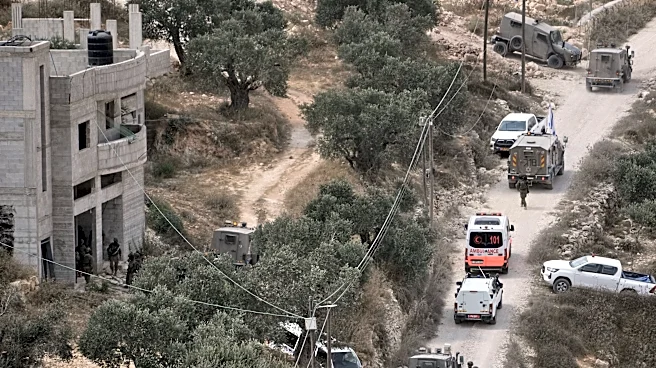
The United Nations World Food Program (WFP) announced it is halving food assistance in the Israeli-occupied West Bank due to severe funding shortages. Starting this month, assistance will be reduced from 400,000 people to 200,000. The WFP also warned
that further cuts may be necessary in Gaza, where it currently supports 1.5 million people. In July, the WFP already reduced the value of cash assistance by 40% for 375,000 people in Gaza. Claire Nevill, WFP spokesperson for the Palestinian territories, stated that additional cuts in Gaza are unavoidable unless new funding is secured. The WFP urgently requires an additional $386 million over the next six months to assist an estimated 2 million food-insecure people across both Gaza and the West Bank. The agency's report indicates that 900,000 people in the West Bank are food insecure, with increased violence, displacement, and economic deterioration disrupting livelihoods and deepening hunger. Food needs in the region have more than doubled since 2023.
Why It's Important?
The drastic reduction in food aid by the WFP has severe implications for the humanitarian situation in the West Bank and Gaza. This move will exacerbate food insecurity for hundreds of thousands of vulnerable individuals, potentially leading to increased malnutrition and health crises. The WFP's report highlights that 76% of households in the West Bank have experienced a significant decline in income, and one-third cannot afford a nutritious diet. In Gaza, about one in five families reportedly eat only one meal a day, and half have run out of food at least once in the previous month. These cuts come at a time when humanitarian conditions are already dire, with high food and fuel prices, ongoing hostilities, and damaged civilian infrastructure. The funding shortfall reflects a broader challenge in international humanitarian aid, where donor fatigue and competing global crises strain resources. The inability to meet basic food needs could destabilize the region further, impacting public health, social cohesion, and economic recovery efforts.
What's Next?
The WFP will continue to prioritize the most vulnerable households in the West Bank, but many in need will no longer receive assistance. The agency will intensify its efforts to secure the urgently needed $386 million to prevent further cuts and restore aid levels. Without new funding, additional reductions in Gaza are anticipated, which could push more people into severe food insecurity. Humanitarian organizations will likely face increased pressure to fill the gaps left by WFP's reduced operations, but their resources are also limited. The situation calls for immediate attention from international donors and governments to prevent a deepening humanitarian crisis. The long-term outlook remains challenging, with ongoing violence, economic downturns, and access restrictions continuing to impact livelihoods and food security in the Palestinian territories. The WFP's ability to sustain its operations will depend entirely on the influx of new financial commitments.
Beyond the Headlines
The WFP's decision to cut aid underscores a critical ethical dilemma in global humanitarian response: how to allocate limited resources amidst overwhelming need. The 'donor fatigue' mentioned by the WFP suggests a broader trend where sustained crises, like those in the Palestinian territories, struggle to maintain international attention and funding. This situation also highlights the interconnectedness of political stability, economic conditions, and humanitarian aid. Increased settler violence and incursions on land, as noted by Nevill, directly impact people's access to agricultural land and livestock, further contributing to food insecurity. The cuts could lead to a vicious cycle where deteriorating humanitarian conditions fuel social unrest and hinder any prospects for long-term peace and stability. The reliance on external aid for basic necessities also raises questions about the sustainability of livelihoods and the need for more robust, self-sufficient economic development in the region, which is currently hampered by conflict and restrictions.