




What's Happening?
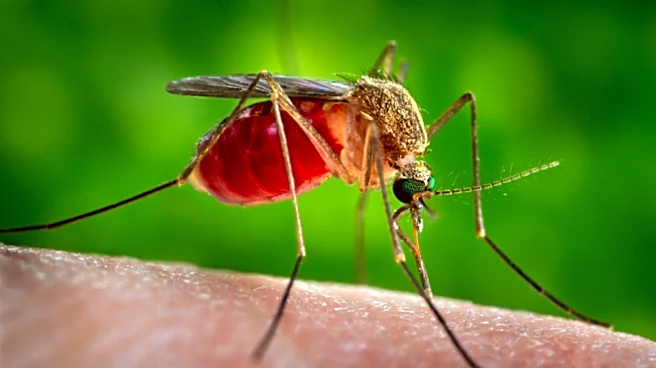
The chikungunya virus, transmitted by infected Aedes mosquitoes, is characterized by sudden fever, severe joint pain or stiffness, headache, muscle pain, rash, fatigue, and sometimes nausea. Symptoms typically manifest 3 to 7 days after a mosquito bite.
The virus is not spread through casual contact but requires the bite of an infected mosquito, particularly in areas experiencing outbreaks. While most cases resolve with rest and fluids, joint pain and stiffness can persist for weeks or longer in some individuals. The illness can resemble other mosquito-borne infections like dengue, necessitating professional medical assessment for accurate diagnosis and care. Older adults, newborns, pregnant individuals near delivery, and those with underlying health conditions may experience more severe illness.
Why It's Important?
The spread of chikungunya highlights the increasing public health challenge posed by mosquito-borne diseases, which are often exacerbated by factors such as climate change and global travel. The potential for prolonged joint pain and stiffness can significantly impact individuals' quality of life and productivity, leading to economic burdens related to healthcare costs and lost workdays. The need for targeted mosquito control measures, as seen in regions with outbreaks, underscores the importance of robust public health infrastructure and rapid response capabilities. Furthermore, the similarity of chikungunya symptoms to other viral infections emphasizes the critical role of accurate diagnostics to ensure appropriate treatment and prevent misdiagnosis, which could have adverse health outcomes.
What's Next?
Continued surveillance and targeted mosquito control efforts are crucial in areas experiencing chikungunya outbreaks to prevent further transmission. Public health authorities will likely focus on educating communities about preventive measures, such as using insect repellent, wearing protective clothing, and eliminating standing water where mosquitoes breed. Research into virus-host interactions and the development of antiviral treatments or vaccines will remain a priority for the scientific community. Healthcare providers will need to stay vigilant in identifying and diagnosing chikungunya, especially in regions where it is newly emerging or re-emerging, to manage symptoms effectively and monitor for potential complications.
Beyond the Headlines
The global spread of chikungunya, alongside other arboviruses like dengue and Zika, points to broader ecological and environmental shifts. Climate change, for instance, can expand the geographical range of Aedes mosquitoes, bringing these diseases to previously unaffected areas. This necessitates a re-evaluation of public health strategies, moving beyond localized interventions to more comprehensive, climate-resilient approaches. The interconnectedness of global travel also means that imported cases can quickly lead to local transmission, highlighting the need for international cooperation in disease surveillance and control. The long-term impact of persistent joint pain on individuals' mental and physical well-being also raises questions about chronic disease management and support systems in affected populations.