




What's Happening?
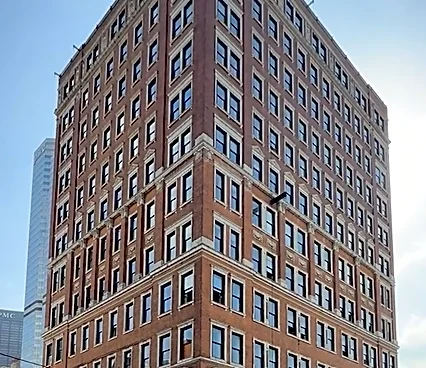
Residents of a subsidized senior housing complex in Pittsburgh are facing the hottest week of the year without air conditioning. The lack of cooling in the building has left many elderly residents vulnerable to the extreme heat, which poses significant
health risks. The situation has drawn attention to the challenges faced by low-income and elderly populations during extreme weather events. The building's management has not provided a timeline for when air conditioning might be restored, leaving residents to cope with the heat as best they can.
Why It's Important?
This situation highlights the broader issue of inadequate housing infrastructure for vulnerable populations, particularly during extreme weather events. The lack of air conditioning in the senior housing complex underscores the need for improved building standards and emergency preparedness plans to protect at-risk groups. The incident also raises questions about the responsibilities of housing providers to ensure safe living conditions for their tenants. As climate change leads to more frequent and severe heatwaves, addressing these infrastructure gaps becomes increasingly urgent.
What's Next?
Local authorities and housing advocates may push for policy changes to ensure that all residential buildings, especially those housing vulnerable populations, are equipped to handle extreme weather conditions. There may be calls for increased funding for retrofitting older buildings with modern cooling systems. Additionally, community organizations might step in to provide temporary relief, such as distributing fans or setting up cooling centers for affected residents. The situation could also prompt a broader discussion on the need for climate resilience in urban planning.