




What's Happening?
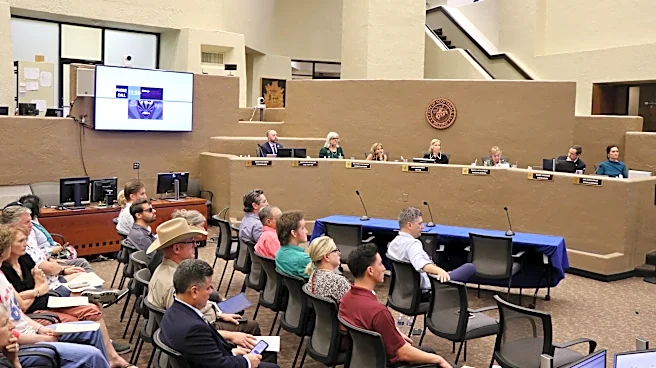
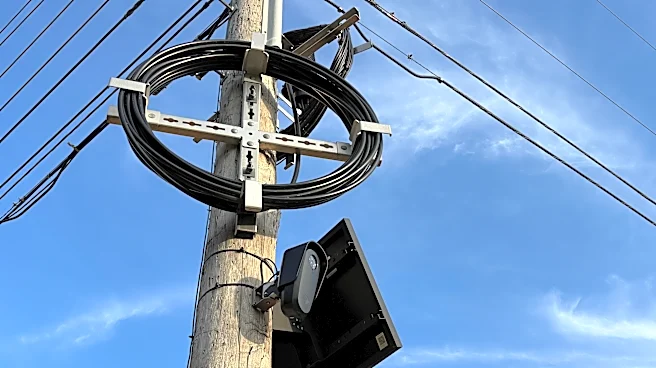
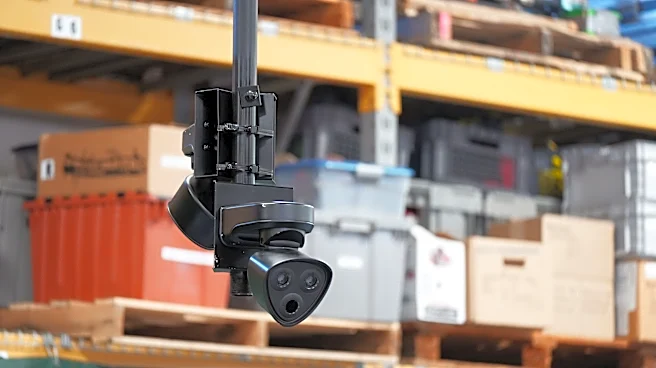
The Caledonia Village Board has unanimously voted to end its contract with Flock for its camera program, making it the third major law enforcement agency in Racine County to move away from Flock cameras recently. The decision means the cameras will be
removed by the end of the year, coinciding with the contract's conclusion. Caledonia Police Chief Christopher Botsch stated that while the termination is not a rejection of license plate reader technology itself, which he believes can aid in solving crimes and finding missing persons, the village board decided to discontinue the specific Flock program. This follows similar actions by the Racine County Sheriff’s Office and the Racine Police Department, which removed their Flock cameras about a month prior.
Why It's Important?
This decision by the Caledonia Village Board is significant as it reflects a growing concern among local governments and law enforcement agencies regarding data privacy and the terms of service with technology providers. The Racine County Sheriff’s Office previously cited discomfort with Flock's alleged use of anonymized data for traffic analytics, indicating a broader issue of data ownership and control. While license plate reader technology is seen as a valuable tool for law enforcement, the termination of these contracts suggests that agencies are prioritizing data security and transparency. This trend could influence other municipalities to scrutinize their contracts with similar technology providers, potentially leading to changes in how such surveillance technologies are implemented and regulated across the nation.
What's Next?
The Flock cameras in Caledonia are scheduled to be removed by the end of the year when the contract officially concludes. Caledonia Police Chief Christopher Botsch indicated that the department will continue to explore other license plate reader technologies, suggesting a search for alternative solutions that align better with their data privacy requirements. Similarly, the Racine County Sheriff's Office is also seeking a different license plate reader program. This indicates a shift towards more stringent vetting of technology vendors and their data handling policies. Residents like Erik Stamoularas are calling for increased transparency regarding past usage of the cameras, including audit logs of license plate searches, which could lead to further public discourse and policy adjustments on surveillance technology.
Beyond the Headlines
The termination of the Flock camera contract in Caledonia, alongside similar actions in Racine County, highlights a critical tension between public safety and individual privacy in the digital age. While license plate readers offer undeniable benefits in crime fighting, the concerns over data usage and ownership underscore the ethical and legal complexities of modern surveillance. This situation could catalyze a broader movement among local governments to demand more robust data protection clauses in their technology contracts and to establish clearer guidelines for the collection, storage, and use of public data. It also emphasizes the importance of community engagement and oversight in decisions regarding surveillance technologies, fostering a more balanced approach that respects both security needs and civil liberties. The ongoing search for alternative technologies suggests a future where data governance will be as crucial as technological capability.