





What's Happening?
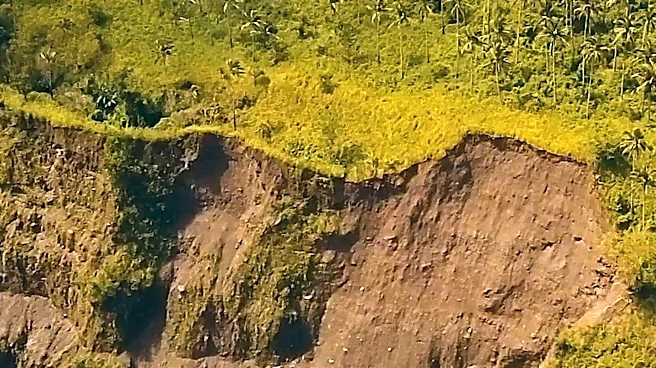
More than 100 individuals have died following a landslide at an artisanal gold mine in the village of Zamboye, located in the western Central African Republic (CAR). The incident occurred on Tuesday afternoon, approximately 50km from Baboua, near the border
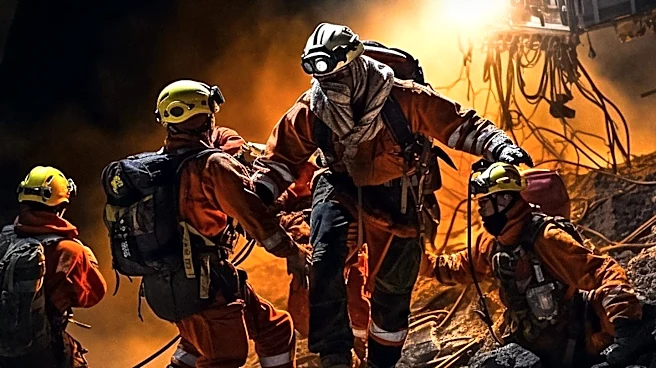
with Cameroon. Local officials and aid workers confirmed the death toll, which is expected to rise as recovery efforts continue. Social media footage reportedly shows an avalanche of sand engulfing a group of people, believed to be miners. A local public prosecutor's statement indicated many others were trapped. Gervais Ganagoroh, a Red Cross volunteer, and a senior official from a local mining association both confirmed over 100 bodies had been recovered. Authorities have launched an investigation, with a prosecutor from Baboua suggesting the collapse was due to multiple underground tunnels where miners were operating. Rescuers are working to retrieve bodies and search for survivors, who are believed to be nationals of both CAR and Cameroon. At least three Cameroonian citizens have been identified among the victims.
Why It's Important?
This tragic incident highlights the severe risks associated with artisanal mining operations in regions like the Central African Republic. The high death toll underscores the lack of safety standards and regulatory oversight in these informal mining sites. Such events often occur in areas where unemployment is high, driving individuals to dangerous work to earn a living. The repeated incidents, with at least 40 deaths in CAR mining accidents this year alone, point to a systemic issue of worker safety and the urgent need for improved regulations and enforcement. The involvement of nationals from neighboring countries, such as Cameroon, also indicates a regional dimension to these hazardous labor practices. The economic desperation that compels people to work in such perilous conditions has significant social implications, perpetuating cycles of poverty and vulnerability in affected communities.
What's Next?
Rescue efforts are ongoing, with teams attempting to retrieve bodies and locate any survivors. Local media reports indicate that heavy machinery, including tractors, is being used in the retrieval mission, raising concerns about potentially jeopardizing the rescue of those still alive. Authorities in CAR have initiated an investigation into the incident to determine its exact cause and potentially identify responsible parties. The governor of Cameroon's Eastern region has stated his office is collaborating with Central African colleagues to manage the aftermath. The focus will remain on recovery and providing support to the affected families. Discussions around improving safety standards and regulating artisanal mining are likely to intensify, though immediate policy changes may be slow given the informal nature of these operations.
Beyond the Headlines
The gold mine collapse in CAR exposes the broader ethical and humanitarian challenges inherent in unregulated resource extraction. Artisanal mining, while providing livelihoods for many, often operates outside legal frameworks, leading to environmental degradation, human rights abuses, and a high incidence of accidents. The incident reflects the complex interplay of poverty, governance, and resource wealth in developing nations. The lack of formal employment opportunities pushes vulnerable populations into dangerous sectors, where their lives are constantly at risk. This event could reignite calls for international organizations and governments to address the root causes of such dangerous labor practices, including promoting sustainable economic development and strengthening regulatory capacities to protect workers in informal sectors. The human cost of such incidents extends beyond immediate fatalities, impacting families and communities for generations.