






What's Happening?
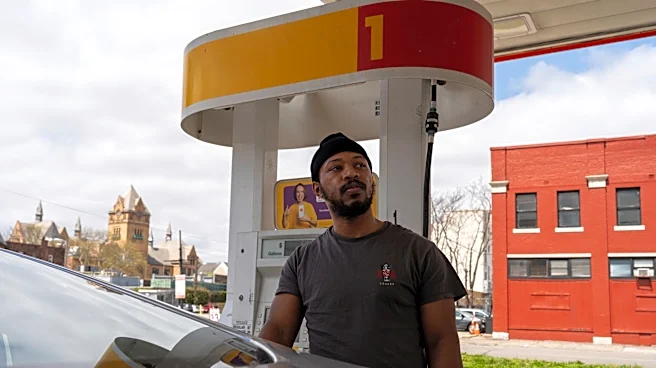
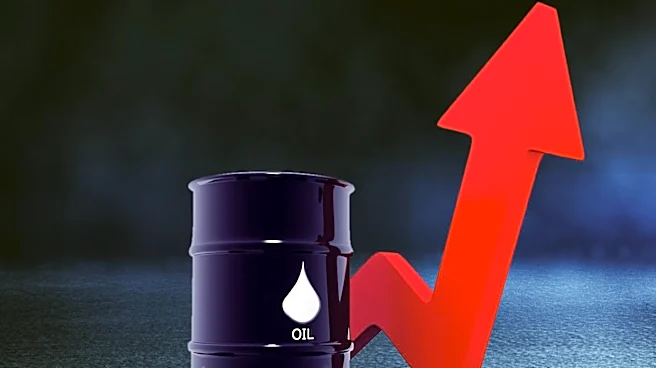
Gasoline prices in the United States have surged by 22.4 cents per gallon, reaching an average of $4.089, according to the latest Lundberg Survey. This increase follows a period of declining prices and is attributed to the ongoing U.S.-Iran conflict,
which has disrupted oil vessel traffic through the Strait of Hormuz. The conflict has driven up the price of West Texas Intermediate crude oil by $17.90 per barrel over the past two weeks. Despite the rise in crude oil prices, refiners have not fully passed these costs onto wholesale gasoline prices, resulting in a significant reduction in retail margins. Retailers are now under pressure to raise prices further to maintain profitability.
Why It's Important?
The rise in gasoline prices has broad implications for the U.S. economy and consumers. Higher fuel costs can lead to increased transportation expenses, affecting everything from personal travel to the cost of goods and services. This can contribute to inflationary pressures, impacting consumer spending and economic growth. For retailers, the shrinking margins pose a financial challenge, potentially leading to business closures if prices are not adjusted. The situation underscores the vulnerability of global oil markets to geopolitical tensions and the need for strategies to mitigate such impacts on domestic fuel prices.
What's Next?
As the U.S.-Iran conflict continues, further fluctuations in oil and gasoline prices are likely. Retailers may need to implement price increases to sustain operations, while consumers could face higher costs at the pump. Policymakers might explore measures to stabilize fuel prices, such as strategic petroleum reserve releases or diplomatic efforts to ease tensions. The situation also highlights the importance of diversifying energy sources and increasing domestic energy production to reduce reliance on volatile international markets.