


What's Happening?
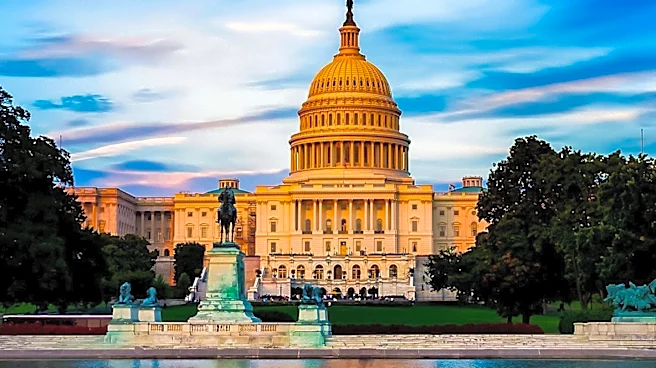
Congressman John Garamendi (CA-08) and Senator Richard Blumenthal (D-CT) have reintroduced the Cabin Air Safety Act, bipartisan, bicameral legislation aimed at protecting airline pilots, flight attendants, and passengers from toxic cabin air. The bill
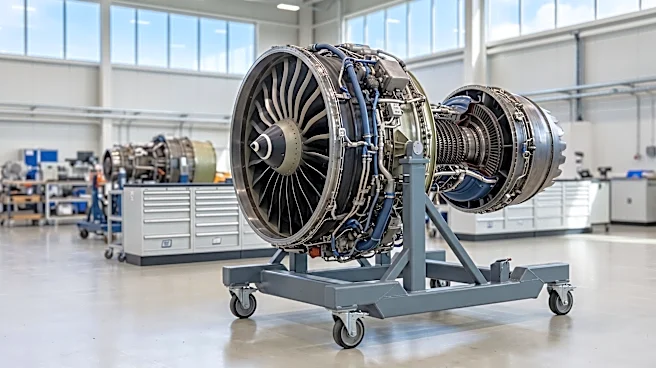
builds upon cabin air reporting provisions secured in the Federal Aviation Administration (FAA) Reauthorization Act of 2024. Key provisions of the reintroduced legislation include mandatory air safety training for aviation personnel and first responders, a standardized reporting system for smoke and fume incidents with a public online database, and authorization for the FAA to conduct investigations into air contamination events, especially those requiring medical attention. Furthermore, the bill mandates the installation of real-time air quality monitoring equipment in aircraft cabins to detect contamination sources and alert flight crews. It also authorizes the FAA to establish cabin air quality standards and specific maintenance requirements to prevent air supply contamination. Co-sponsors include U.S. Senators Edward J. Markey (D-MA) and Tammy Duckworth (D-IL), and U.S. Representative Brian Fitzpatrick (R-PA-01). Senator Duckworth emphasized that the flying public deserves certainty that the air they breathe is safe, noting that toxic fumes can lead to health issues for passengers and impair pilots and crew.
Why It's Important?
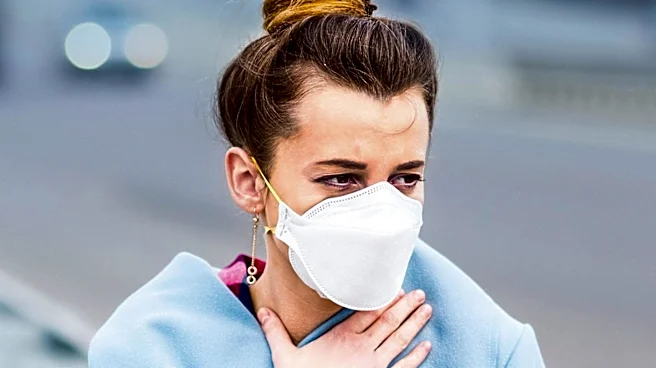
This legislation addresses a critical, often underreported, safety and health concern within the aviation industry. Incidents of toxic cabin air, sometimes referred to as 'fume events,' can expose passengers and crew to harmful chemicals, leading to acute health problems and potential long-term illnesses. For pilots and flight attendants, repeated exposure can pose significant occupational health risks, and in-flight contamination can impair their ability to perform safety-critical duties, thereby jeopardizing flight safety. The current lack of standardized reporting, real-time monitoring, and comprehensive investigation protocols means that the true scope and impact of these events are not fully understood. By mandating air quality monitors, standardized reporting, and thorough investigations, the Cabin Air Safety Act aims to provide the FAA with the necessary tools to identify, prevent, and mitigate these incidents. This could lead to improved health outcomes for millions of air travelers and aviation professionals, enhance aviation safety by reducing the risk of crew incapacitation, and increase public confidence in air travel. The bill's endorsement by major aviation labor unions, such as the Association of Flight Attendants-CWA and the Air Line Pilots Association, underscores the perceived urgency and importance of these protections for those most directly affected.
What's Next?
The reintroduction of the Cabin Air Safety Act signals a renewed push for comprehensive federal action on cabin air quality. The bill will now proceed through the legislative process in both the House and Senate, where it will undergo committee review, potential amendments, and votes. Given its bipartisan support and endorsement from key industry stakeholders, the legislation has a pathway to consideration. Advocates will likely lobby for its inclusion in broader aviation-related bills or as standalone legislation. If passed, the FAA would be tasked with developing and implementing new regulations, including mandating specific training programs, establishing reporting systems, setting air quality standards, and overseeing the installation of monitoring equipment across the commercial airline fleet. This would require significant coordination between the FAA, airlines, aircraft manufacturers, and labor unions. The timeline for full implementation of these provisions, if enacted, could span several years due to the complexities of regulatory development, equipment procurement, and industry-wide adoption. The legislation's progress will be closely watched by health advocates, aviation safety groups, and the airline industry.
Beyond the Headlines
The issue of cabin air quality extends beyond immediate health and safety concerns, touching upon broader ethical and legal dimensions of corporate responsibility and regulatory oversight. For years, concerns about 'fume events' have been raised by flight crews and passengers, often met with skepticism or insufficient action. This legislation represents a potential shift towards greater transparency and accountability within the aviation industry regarding environmental health on aircraft. It could also spur innovation in air filtration and monitoring technologies, creating new market opportunities for companies developing advanced sensors and air purification systems. Furthermore, the establishment of a public database for air contamination incidents could empower consumers and researchers with data to better understand risks and advocate for further improvements. The bill also highlights the ongoing challenge of regulating complex technical environments like aircraft cabins, where multiple systems (engine bleed air, ventilation, filtration) interact, and where the health impacts of low-level, chronic exposures are still being studied. Success in implementing this act could set a precedent for addressing other subtle, yet significant, environmental health concerns in enclosed public spaces.