






What's Happening?
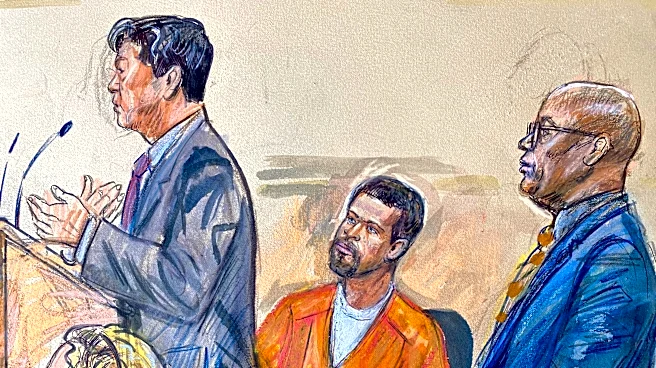
Following an attempted assassination at the White House Correspondents' Association dinner, lawmakers are calling for a thorough review of the Secret Service's security protocols. The incident involved a gunman, Cole Tomas Allen, who breached the outer
security perimeter with a shotgun before being subdued. The event, attended by President Trump, Vice President JD Vance, and other high-profile officials, has raised questions about the adequacy of security measures. Senator Josh Hawley has called for an oversight hearing to assess whether the Secret Service implemented promised reforms after a previous security breach in 2024. The White House has expressed confidence in the Secret Service's actions, but the incident has sparked a broader debate about security at high-profile events.
Why It's Important?
The security breach at a high-profile event attended by key government figures underscores the critical importance of effective protective measures. The incident raises concerns about the Secret Service's ability to prevent potential threats and protect national leaders. The call for oversight and potential hearings reflects the need for transparency and accountability in government security operations. The situation highlights the challenges of securing large events and the potential risks posed by lapses in security protocols. The outcome of this review could lead to changes in how security is managed at similar events in the future, impacting public confidence in the safety of government officials.
What's Next?
As lawmakers push for a comprehensive review of the Secret Service's actions, the agency may face increased scrutiny and pressure to implement further reforms. The potential for congressional hearings could lead to new recommendations for improving security protocols at high-profile events. The Secret Service and other involved agencies may need to reassess their strategies and coordination efforts to address identified vulnerabilities. The broader implications of this incident could influence future security planning and resource allocation for government events, with potential changes to inter-agency collaboration and threat assessment processes.