


What's Happening?
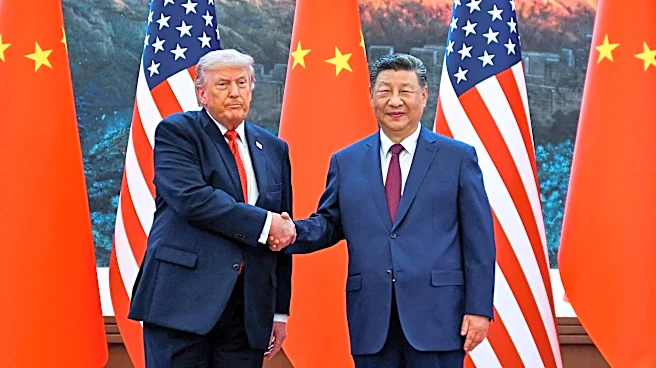
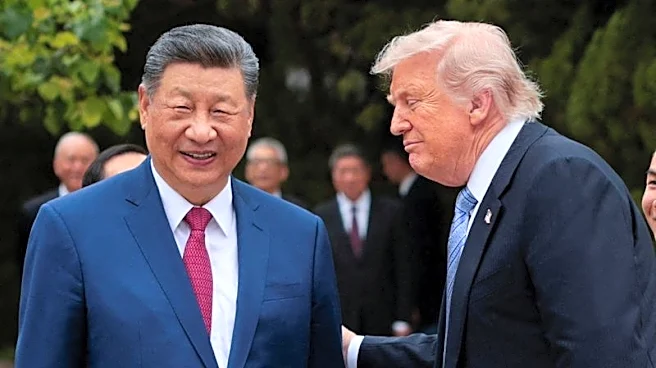
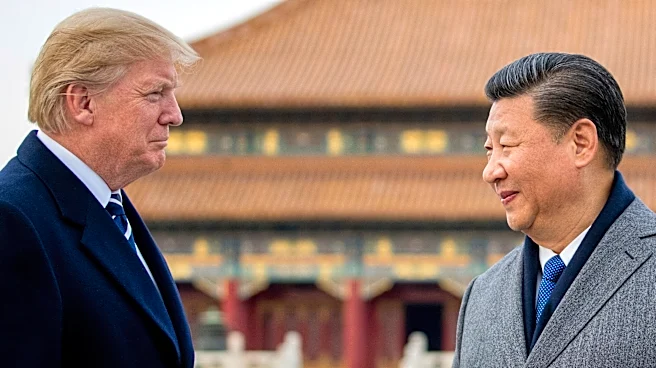
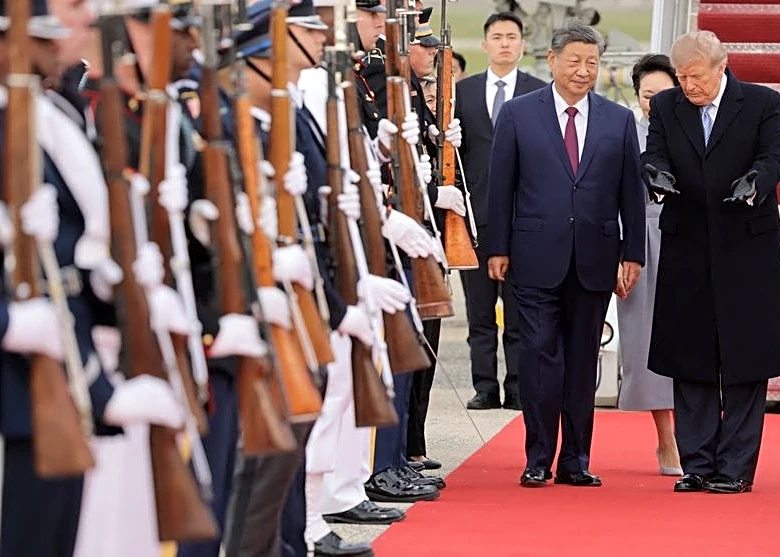
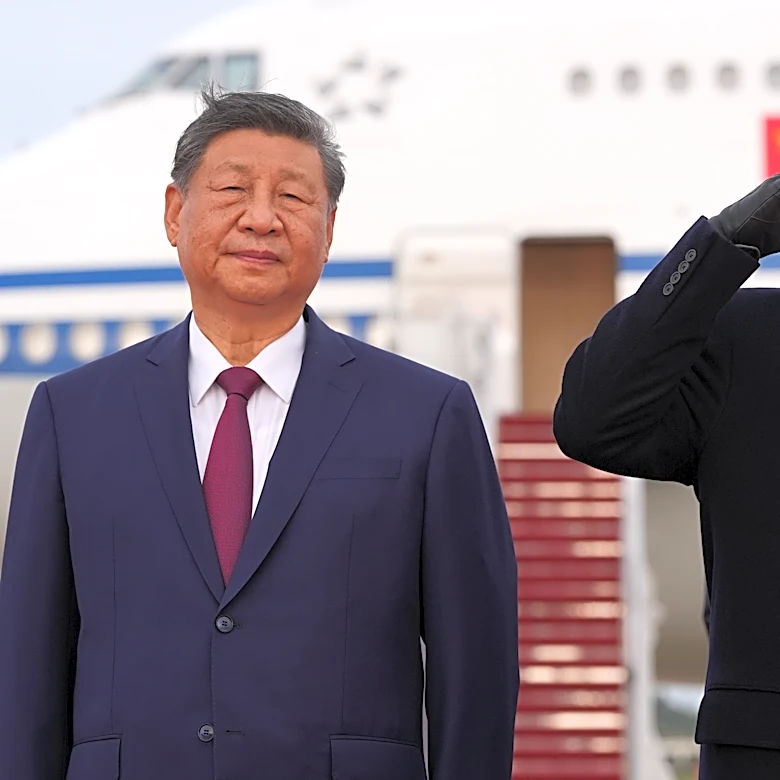
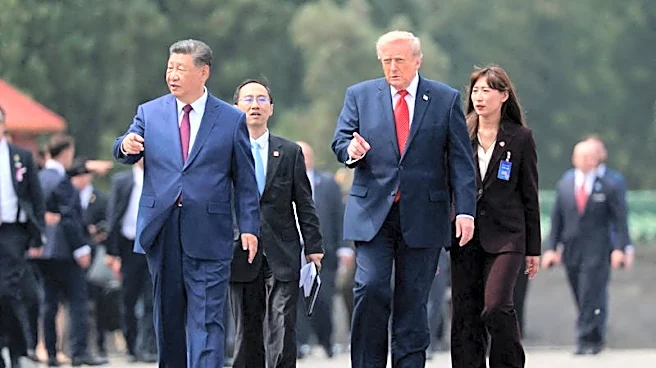
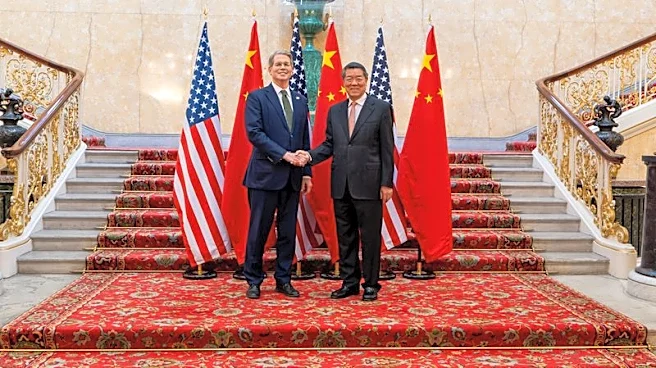
Chinese President Xi Jinping is scheduled to visit the U.S. from Wednesday to Friday for a summit with President Trump. This visit marks Xi's first state visit to the U.S. since the Obama administration. The highly anticipated meeting aims to stabilize
bilateral relations, which have seen a 'U-turn' since a May summit where Beijing agreed to increase purchases of U.S. agricultural products and Boeing jets, and both sides planned new trade and investment cooperation mechanisms. Key discussion points for the upcoming summit include the extension of a trade truce set to expire in November, concerns over China's advancements in artificial intelligence (AI), and the ongoing situation with Iran. U.S. Treasury Secretary Scott Bessent mentioned discussions about establishing a 'U.S.-China AI Dialogue' and a notification system for AI incidents. While Taiwan is typically a prominent issue, it is expected to take a backseat to Iran in these discussions, with Washington seeking Beijing's cooperation in encouraging a resolution to the conflict and avoiding military assistance to Tehran.
Why It's Important?
This summit is crucial for U.S. industries and the global economy due to the significant trade relationship between the two nations. The potential extension of the trade truce could provide stability for American agricultural producers and manufacturers like Boeing, who stand to gain from continued Chinese purchases. Conversely, a failure to extend the truce could lead to renewed tariffs and economic uncertainty. The discussions on AI are vital for U.S. national security and technological leadership, as Chinese AI labs have narrowed the gap with their U.S. rivals. American companies have expressed concerns about the rapid development of AI and the risks involved, making cooperation or clear guidelines essential. Furthermore, the focus on Iran highlights the U.S.'s efforts to de-escalate the conflict and stabilize global energy markets, which have been significantly disrupted. China's role as a major oil buyer and its diplomatic ties with Iran make its cooperation critical for any potential resolution, impacting global stability and economic stakeholders.
What's Next?
The immediate next step is the summit itself, scheduled from Wednesday to Friday, where President Trump and President Xi Jinping will engage in direct discussions. Following the summit, observers will be looking for announcements regarding the extension of the trade truce, potential agreements on AI dialogue and incident notification systems, and any joint statements or commitments regarding the Iran situation. There is also the possibility of further meetings between the two leaders later in the year, indicating an ongoing effort to manage and stabilize bilateral relations. Businesses, particularly those in agriculture, aviation, and technology, will closely monitor the outcomes for implications on trade policies and market access. The U.S. will likely continue to press China on issues related to AI ethics and non-proliferation, while also seeking its influence in resolving the Iranian conflict. The success of these discussions will shape the trajectory of U.S.-China relations and have broader geopolitical and economic consequences.
Beyond the Headlines
Beyond the immediate policy outcomes, this summit underscores a deeper shift in the global power dynamic, with China increasingly asserting itself as a peer power to the U.S. The emphasis on 'constructive strategic stability' reflects a recognition that stability between the two nations is contingent on a balance of strength. The discussions on AI also highlight the ethical and regulatory challenges posed by rapidly advancing technologies, with the U.S. seeking to establish norms and prevent the misuse of AI. The focus on Iran, while seemingly a separate issue, reveals the interconnectedness of global challenges and the expectation that major powers like China will play a role in international conflict resolution. The summit also touches upon the broader economic implications of China's export-driven economy and the growing global scrutiny of its trade practices, particularly concerning their impact on other nations' industries. The ongoing dialogue, despite its challenges, signifies a complex and evolving relationship that will continue to shape international affairs.