


What's Happening?
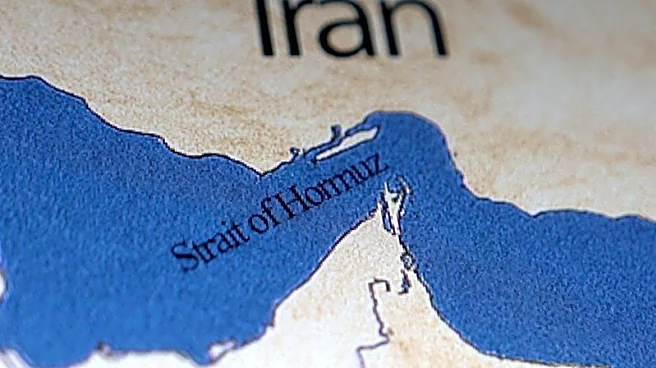
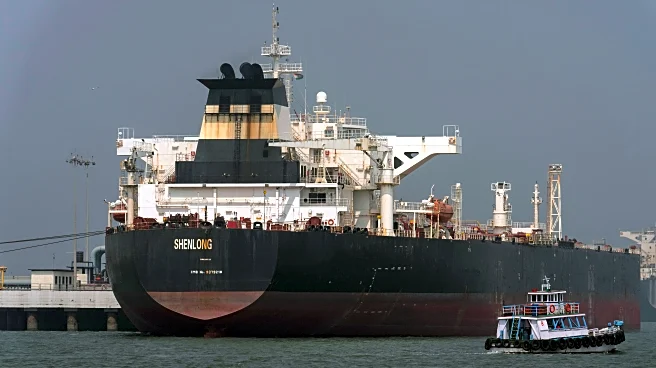
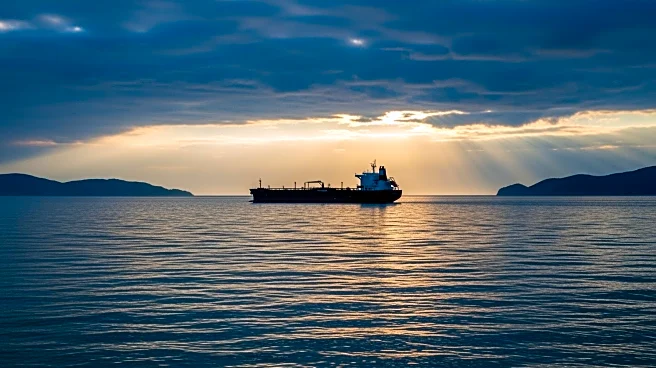
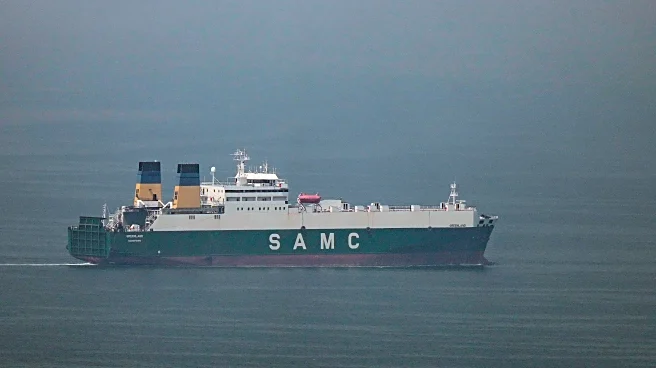
A Pakistan-bound oil tanker successfully navigated the Strait of Hormuz, a critical maritime chokepoint, amid ongoing tensions involving Iran. The Aframax tanker Karachi, operated by the Pakistan National Shipping Corporation, transited the strait after
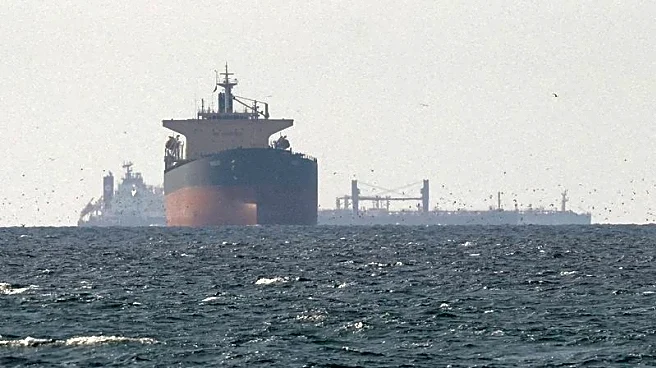
loading crude oil at Das Island in Abu Dhabi. This development comes as Iran has been attacking ships in the Gulf, effectively closing the strait, which is vital for global crude oil and liquefied natural gas transport. Despite these tensions, some vessels, including those from India, China, and Iran, have managed to pass through, suggesting negotiated safe passages. Pakistan, which relies heavily on imported crude and refined fuels from Gulf producers, is maintaining a delicate diplomatic balance, given its ties with Iran, the United States, and Saudi Arabia.
Why It's Important?
The successful passage of the Pakistani oil tanker through the Strait of Hormuz is significant for several reasons. Firstly, it highlights Pakistan's ability to navigate complex diplomatic waters amid heightened regional tensions. The strait is a crucial artery for global energy supplies, and disruptions can lead to increased energy prices worldwide. Pakistan's reliance on imported fuels makes this passage critical for its energy security. Additionally, the situation underscores the broader geopolitical dynamics in the region, where countries like Pakistan must balance relationships with major powers such as the U.S., Iran, and Saudi Arabia. The ability to secure safe passage for its vessels could enhance Pakistan's standing as a diplomatic player in the region.
What's Next?
As tensions in the Strait of Hormuz continue, Pakistan may need to further engage in diplomatic efforts to ensure the safety of its maritime trade routes. The country's navy has already initiated operations to safeguard shipping lanes, which may involve increased coordination with regional powers. The ongoing situation could prompt further diplomatic dialogues between Pakistan and Iran, as well as with other Gulf states and international stakeholders. The outcome of these efforts could influence regional stability and the global energy market.