






What's Happening?
Wisconsin Horticulture, through the University of Wisconsin-Extension, has released resources from its October 2026 'AYGQ: LIVE' session, offering guidance on various gardening topics, including weeds and invasive species. The session addressed environmentally
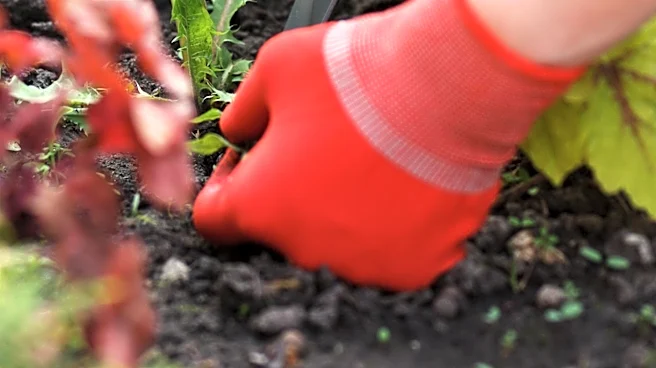
responsible methods for managing broadleaf weeds, emphasizing that building a healthy, dense lawn is the most effective long-term strategy. This involves proper mowing height, fertilization, and soil improvement to enhance turf competitiveness. For existing dandelion infestations, targeted spot applications of broadleaf herbicides are suggested to minimize chemical use. Once weed populations are reduced, sound turf management practices become the primary method to prevent reinfestation.
Why It's Important?
The information provided by Wisconsin Horticulture is crucial for homeowners and land managers seeking sustainable and effective ways to control invasive species and weeds. Environmentally responsible weed management reduces reliance on broad-spectrum chemicals, which can harm beneficial insects, soil health, and water quality. By promoting practices like improving turf competitiveness, the guidance encourages ecological approaches that foster healthier landscapes. This is significant for maintaining local biodiversity, protecting natural ecosystems, and ensuring the long-term health of residential and public green spaces across Wisconsin, aligning with broader conservation goals.
What's Next?
As awareness of environmental impacts grows, it is likely that more homeowners and land management entities will adopt the sustainable weed control strategies outlined by Wisconsin Horticulture. Future sessions and resources from the University of Wisconsin-Extension may continue to expand on integrated pest management techniques and ecological landscaping practices. There could also be increased demand for educational workshops and community programs focused on invasive species identification and removal, further empowering residents to manage their landscapes responsibly. The ongoing dissemination of such expert advice will be key to promoting healthier environmental practices.
Beyond the Headlines
The emphasis on building healthy lawns as a primary defense against weeds reflects a shift in horticultural philosophy from reactive chemical treatments to proactive ecological management. This approach recognizes that a robust ecosystem is inherently more resistant to invasive species. Beyond just lawns, these principles can be applied to broader landscape management, encouraging the cultivation of diverse native plant communities that naturally outcompete invasives. This holistic perspective contributes to greater ecological resilience, reduces chemical runoff, and supports local wildlife, fostering a more sustainable relationship between human-managed spaces and the natural environment.