







What's Happening?
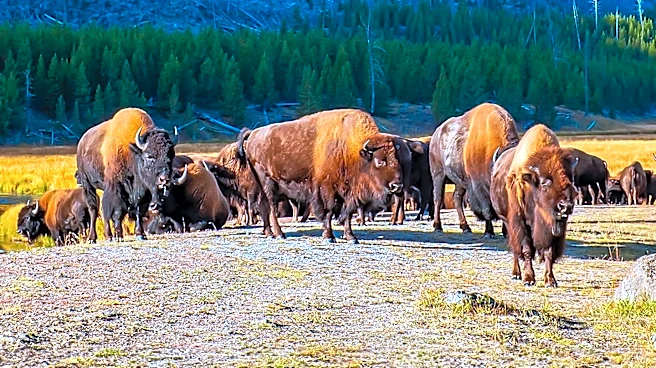
Bison ranchers in Montezuma County, Colorado, have initiated the Community Bison Program to address food insecurity and promote 'food sovereignty' in southwestern Colorado. The program, spearheaded by Janna Neely, founder of the newly formed nonprofit
Farming Hands Initiative, aims to provide high-quality, locally sourced bison meat to food pantries in Cortez and potentially to members of the Ute Mountain Ute Tribe. A one-time grant of $48,950 from the LOR Foundation is funding the purchase of five to seven bison, which will form the initial herd. The long-term vision is to build a sustainable, growing herd that provides a consistent annual supply of protein, rather than a one-time distribution. The first bison harvest is planned for this winter or spring, with the meat to be processed at USDA-inspected facilities and distributed to local food banks. The initiative also seeks to support local ranchers and potentially expand to include other livestock and even year-round vegetable production.
Why It's Important?
This initiative is crucial for several reasons, particularly in the context of increasing food insecurity in rural areas. The program directly addresses the rising need for nutritious food, especially high-quality protein, which is often expensive and inaccessible for low-income families. By establishing a locally controlled food source, it reduces reliance on distant supply chains and fluctuating commodity prices, enhancing community resilience. The concept of 'food sovereignty' is central, empowering communities to have access to culturally appropriate and locally produced food. Furthermore, the program supports local agriculture by providing a market for ranchers and potentially encouraging new producers. The timing is significant, as Montezuma County is experiencing drought conditions impacting local food production, and federal budget cuts have reduced funding for programs like the Supplemental Nutrition Assistance Program (SNAP), leaving many Coloradans without essential food assistance. This local solution offers a model for other communities facing similar challenges.
What's Next?
The immediate next steps for the Community Bison Program involve the first bison harvest, scheduled for this winter or spring. Following the harvest, arrangements for processing the meat at USDA-inspected facilities and its distribution to local food banks, including potential partnerships with the Ute Mountain Ute Tribe, will be finalized. The Farming Hands Initiative board will continue to work towards expanding the program beyond bison, hoping to include other local livestock producers and potentially fund a local grower for year-round vegetable production. The long-term goal is to grow the bison herd to achieve steady-state production by year five, ensuring a consistent supply of protein. The initiative also aims to attract and support new ranchers by potentially providing initial breeding herds, thereby lowering the barrier to entry into agriculture. Educational components, such as demonstrating Indigenous harvest methods, are also being considered to further engage the community.
Beyond the Headlines
This program delves into the complex interplay of food systems, community development, and cultural heritage. The choice of bison, an animal deeply rooted in the history and culture of the American West and Indigenous communities, adds a significant layer of cultural relevance to the food sovereignty movement. It challenges the conventional food aid model by focusing on sustainable, local production rather than external donations. The initiative also highlights the often-overlooked challenges faced by rural communities, such as the impact of climate change (drought) on agriculture and the vulnerability to federal policy changes. By fostering local food production, the program not only addresses immediate hunger but also builds social capital, strengthens local economies, and preserves agricultural traditions. The vision of supporting new ranchers and incorporating educational elements suggests a holistic approach to community well-being, aiming to create a self-sustaining model for food security and economic vitality.