








What's Happening?
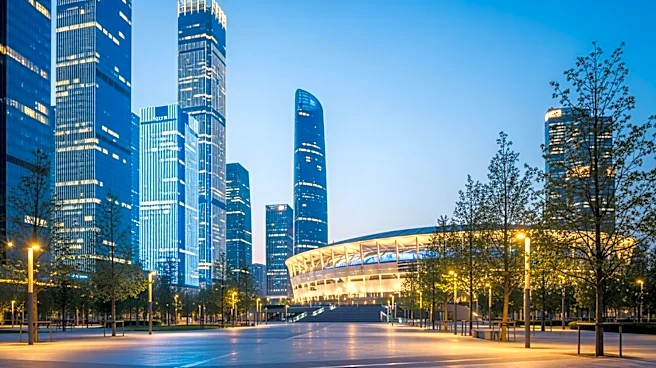
Inglewood, California, is undergoing significant redevelopment as it prepares to host major events like the World Cup and the Olympics. The city has invested billions in infrastructure and entertainment facilities, positioning itself as a sports hub in Los
Angeles. However, this transformation has sparked debate about who will benefit from these developments. While some residents and businesses are optimistic about the economic opportunities, others express concerns about rising property values and potential displacement. The community is divided over whether the changes will lead to equitable growth or exacerbate existing inequalities.
Why It's Important?
The redevelopment of Inglewood highlights the broader challenges cities face when hosting large-scale international events. While such events can bring economic benefits and global recognition, they also risk displacing local communities and increasing living costs. The situation in Inglewood serves as a case study for other cities considering similar transformations, emphasizing the need for inclusive planning that addresses the needs of existing residents. The outcome of Inglewood's redevelopment could influence future urban development strategies and policies aimed at balancing growth with social equity.
Beyond the Headlines
The transformation of Inglewood raises important questions about urban development and social justice. The city's experience underscores the need for policies that ensure the benefits of redevelopment are shared equitably among all residents. This includes affordable housing initiatives and community engagement in planning processes. The situation also highlights the potential for sports and entertainment to drive economic growth, but only if managed in a way that prioritizes the well-being of local communities.