







What's Happening?
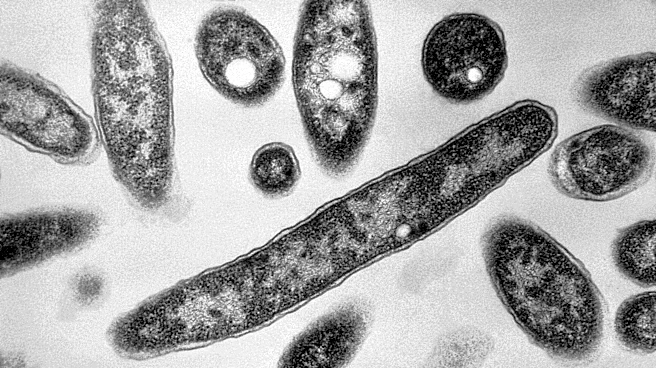
An 88-year-old Air Force veteran has died following a Legionnaires' disease outbreak on the Upper East Side of Manhattan. The outbreak has been linked to cooling towers in the area, including one at the Metropolitan Museum of Art that tested positive
for Legionella bacteria. The veteran, who was married for 50 years, was found by his wife with a fever and later died after two weeks in intensive care. His family plans to sue the owner of the cooling tower once identified. Health officials have reported 74 cases of the disease, with eight patients still hospitalized. The outbreak is concentrated in ZIP codes 10128, 10028, and 10075. The city's Health Department advises those with flu-like symptoms to seek medical attention.
Why It's Important?
The outbreak of Legionnaires' disease highlights the ongoing public health challenges posed by contaminated water systems in urban areas. The disease, a severe form of pneumonia, poses significant risks to older adults and those with weakened immune systems. The incident underscores the importance of regular maintenance and monitoring of cooling towers to prevent such outbreaks. The legal implications for the cooling tower owner could be significant, potentially leading to stricter regulations and oversight. The situation also raises public concern about the safety of water systems in densely populated areas, prompting city officials to reassure residents about the safety of drinking water and air conditioning use.
What's Next?
Health officials continue to investigate the source of the outbreak, although no new cases have been reported in over a week, suggesting the source may have been contained. The family of the deceased veteran is preparing legal action against the cooling tower owner, which could lead to further scrutiny and potential regulatory changes. The city may implement more rigorous testing and maintenance requirements for cooling towers to prevent future outbreaks. Public health campaigns may also be launched to educate residents about the symptoms and risks of Legionnaires' disease.