



What's Happening?
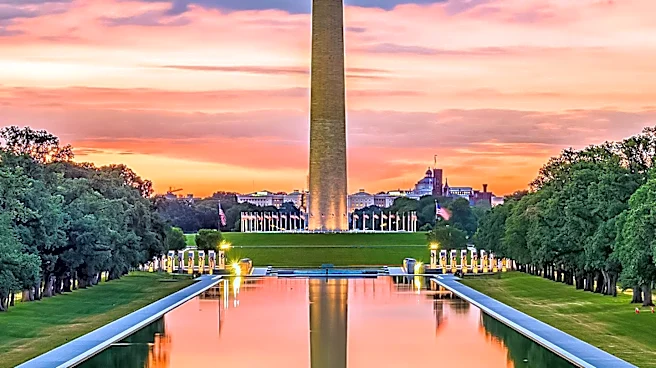
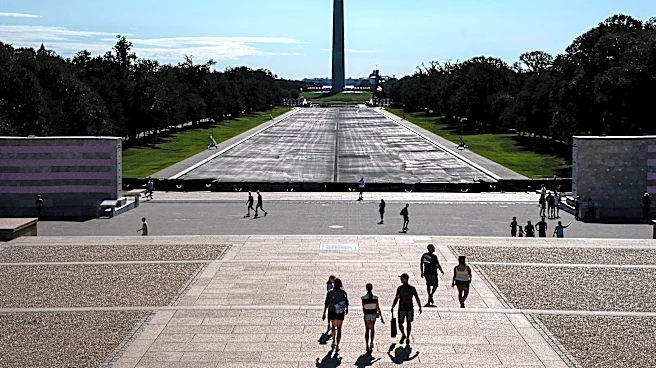
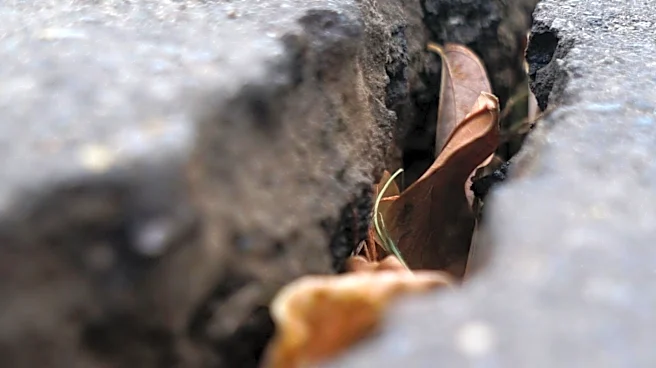
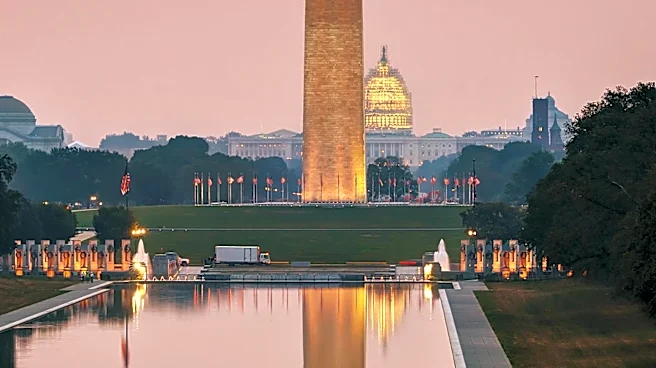
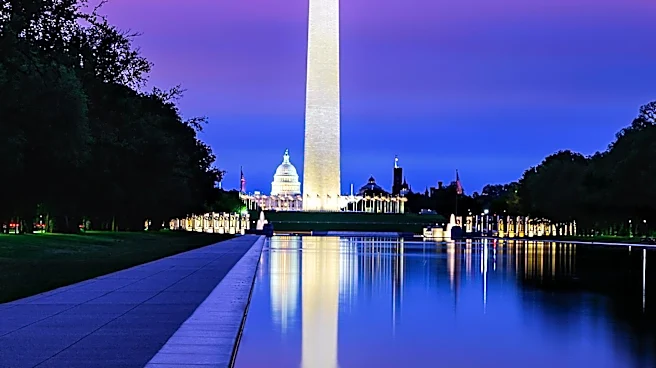
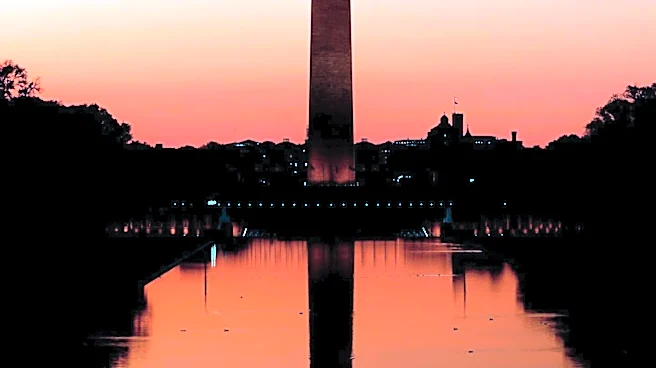
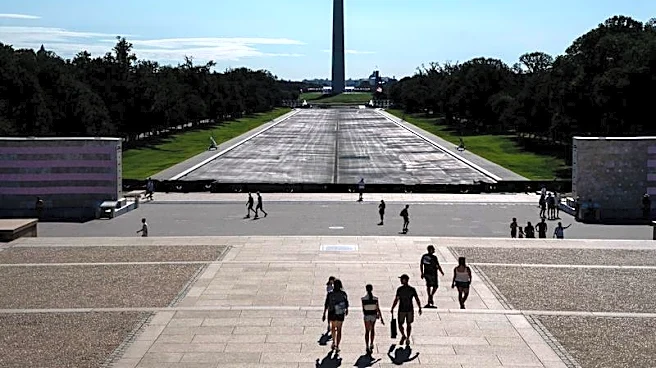
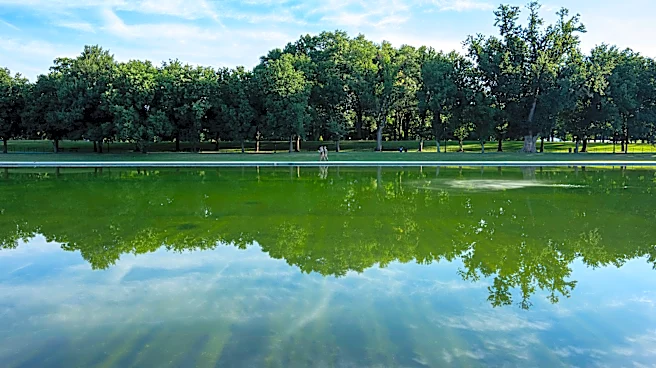
The Reflecting Pool at the Lincoln Memorial in Washington, D.C., recently underwent a $13 million renovation commissioned by President Trump. However, the project faced issues as the blue paint began to peel, and algae formed in the pool. David Hearn,
a former Olympic canoeist, was accused of vandalism after touching a piece of the peeling paint. The charges against Hearn were later dropped, as it was revealed that the damage resulted from a faulty installation by the contractor, Atlantic Industrial Coatings. Despite this, President Trump continues to assert that the damage was due to vandalism, dismissing the findings of the U.S. Attorney's office.
Why It's Important?
This incident highlights the complexities and potential pitfalls of large-scale public projects, especially those tied to significant national landmarks. The controversy reflects on the accountability and transparency required in government contracts, as well as the political implications of such projects. The situation also underscores the challenges faced by public figures in managing narratives and public perception, particularly when projects do not go as planned. The case has broader implications for public trust in government-led initiatives and the processes involved in maintaining national heritage sites.
What's Next?
The Reflecting Pool's renovation issues may prompt further scrutiny of government contracting processes and the selection of contractors for public projects. There could be increased calls for transparency and accountability in how such projects are managed and executed. Additionally, the ongoing debate over the pool's condition may influence future decisions regarding the maintenance and preservation of national landmarks. Stakeholders, including government officials and the public, may push for more rigorous standards and oversight to prevent similar issues in the future.