



What's Happening?
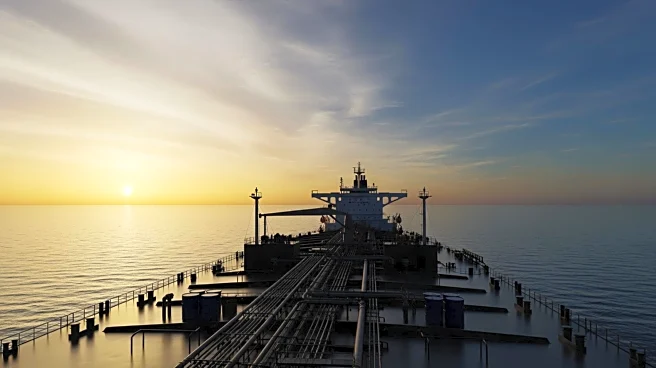
The Russian-flagged tanker Anatoly Kolodkin has arrived in Cuban waters, carrying 730,000 barrels of crude oil, despite a US-imposed embargo. The shipment provides a temporary solution to Cuba's energy crisis, which has led to fuel rationing and power
outages. The US decision to allow the tanker to proceed follows weeks of Russian support for Cuba and criticism of the US pressure campaign. The tanker is expected to dock at Matanzas port, offering relief to Cuba, which has not received oil imports since January. The situation underscores the geopolitical tensions between the US, Russia, and Cuba.
Why It's Important?
The arrival of the Russian tanker in Cuba highlights the complexities of international energy politics and the impact of US sanctions on regional dynamics. The shipment provides critical relief to Cuba, addressing immediate energy needs and mitigating the effects of the embargo. The decision to allow the tanker to proceed may prevent further escalation with Russia, while also demonstrating a willingness to address humanitarian concerns. The situation underscores the strategic importance of energy resources in geopolitical conflicts and the challenges of balancing political objectives with humanitarian needs.
What's Next?
Cuba will refine the crude oil and distribute it to meet immediate energy demands. The relief provided by the shipment is temporary, and Cuba will need to explore long-term solutions to its energy crisis. The US may continue to monitor the situation and assess its impact on regional stability. The decision could lead to further diplomatic engagements between the US and Cuba, potentially opening avenues for dialogue and cooperation. The situation may also influence US-Russia relations, as both countries navigate the complexities of international energy politics.