







What's Happening?
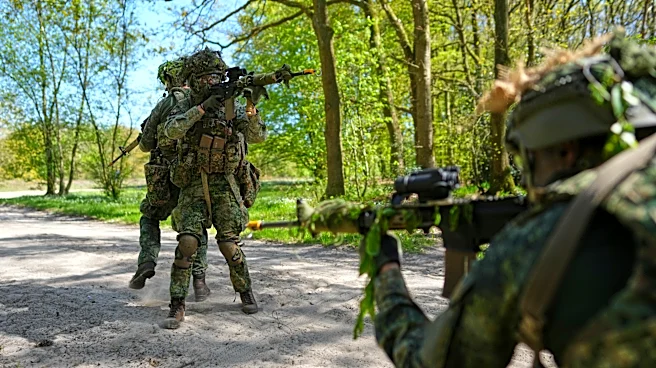
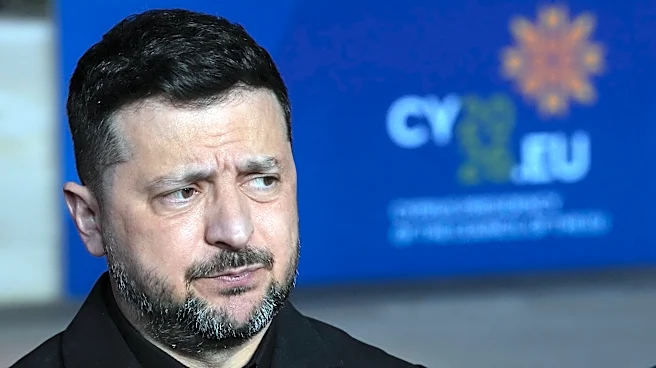
Ukrainian President Volodymyr Zelensky has announced significant reforms to Ukraine's armed forces, focusing on increasing soldiers' pay and revising recruitment and service terms. The reforms aim to address issues such as infantry shortages and the discharge
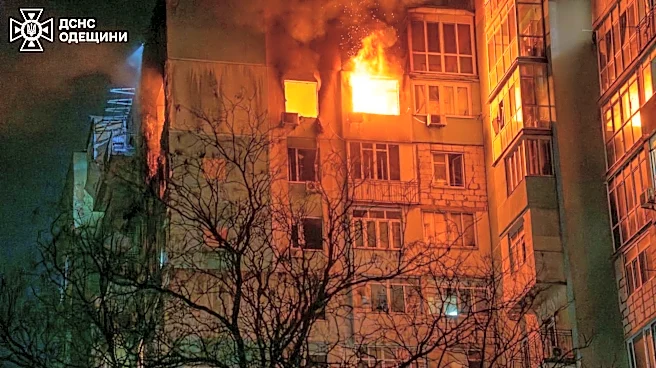
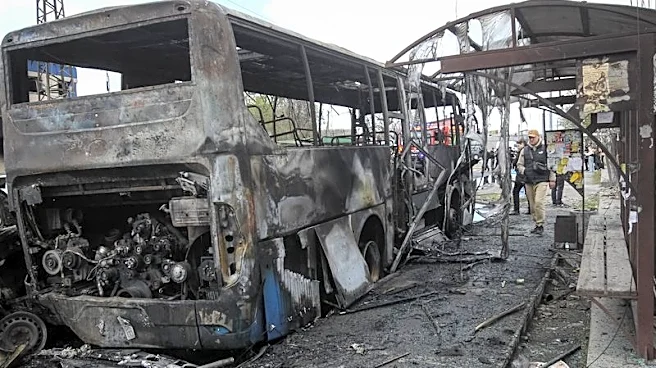
of long-serving soldiers. The changes are set to begin implementation in June, with the Defense Ministry and General Staff expected to provide further details. The reform includes a pay raise for soldiers, with infantry troops receiving between Hr 250,000 to Hr 400,000, depending on their combat roles. Additionally, the reform will introduce contract-based service to make terms clearer and more predictable. This announcement comes amid ongoing military actions, including a recent Russian drone strike in Ternopil, which injured at least 12 people.
Why It's Important?
The military reforms announced by President Zelensky are crucial for Ukraine as it continues to face significant military challenges from Russia. By increasing pay and revising service terms, Ukraine aims to bolster its military capabilities and retain experienced personnel. This move could enhance the morale and effectiveness of Ukrainian forces, which is vital for maintaining defense against ongoing Russian aggression. The reforms also signal Ukraine's commitment to modernizing its military infrastructure, potentially influencing international support and aid. The changes could impact the broader geopolitical landscape, as Ukraine seeks to strengthen its position in the conflict and secure its sovereignty.
What's Next?
As the reforms are set to be implemented starting in June, the Ukrainian government will need to ensure that the changes are effectively communicated and executed. The Defense Ministry and General Staff will play a critical role in detailing the timelines and processes for discharging military personnel. Internationally, these reforms may prompt reactions from allies and adversaries alike, potentially affecting diplomatic and military support. The ongoing conflict and military actions, such as the recent drone strikes, will continue to shape the urgency and focus of these reforms.