
What's Happening?
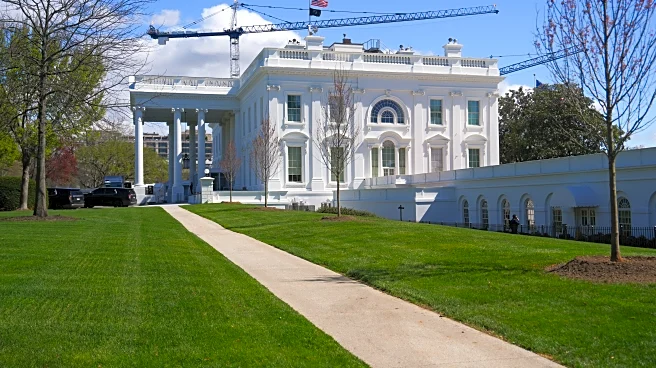
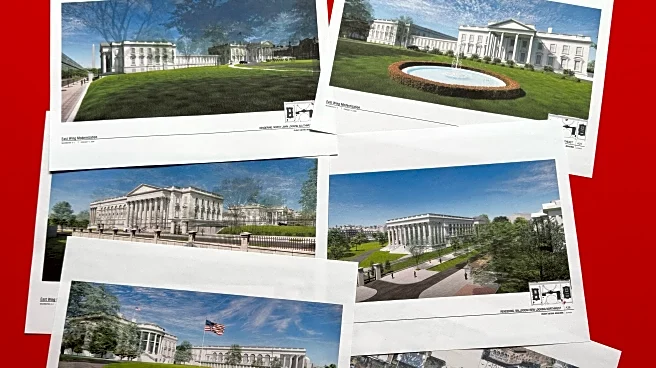
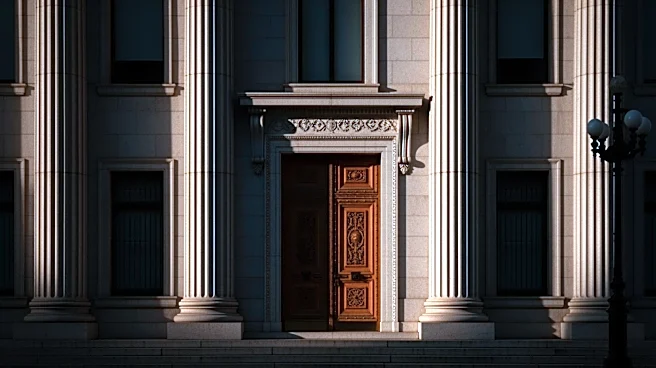
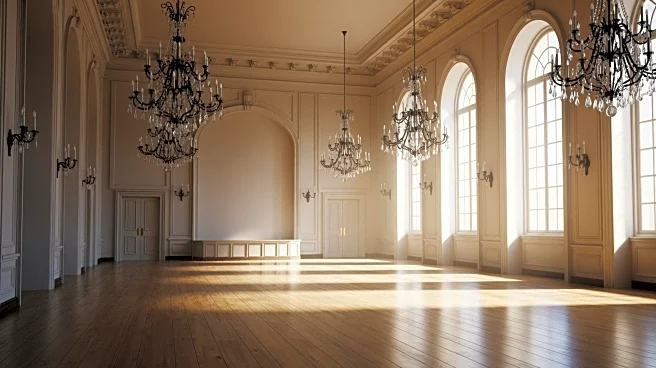
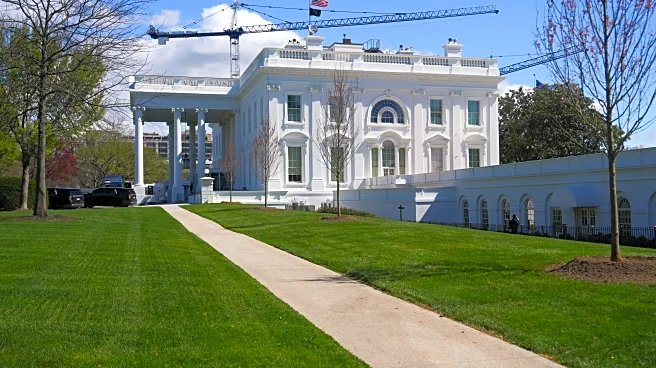
A federal judge has issued a preliminary injunction against the Trump administration's plan to demolish the East Wing of the White House to construct a $400 million ballroom. The project, which was to be privately funded, faced legal challenges from the National
Trust for Historic Preservation. Judge Richard Leon, appointed by George W. Bush, criticized the administration's lack of Congressional approval and oversight for the project. He emphasized that the White House is a national symbol, not a personal property, and questioned the administration's claim that the renovation was merely an 'alteration.' The judge's ruling underscores the limits of presidential authority over national landmarks.
Why It's Important?
This ruling highlights the ongoing tension between presidential authority and the preservation of national heritage. The decision serves as a reminder that significant alterations to national landmarks require legislative oversight. It underscores the importance of checks and balances in the U.S. government, particularly concerning the stewardship of historically significant sites. The ruling may set a precedent for future administrations, reinforcing the need for transparency and accountability in government projects. The case also reflects broader public concerns about the preservation of national symbols and the role of private funding in public projects.
What's Next?
The Department of Justice has already filed an appeal against the ruling, indicating that the legal battle over the East Wing renovation is far from over. If Congress approves the project, it could still proceed, albeit with more scrutiny. The case may prompt legislative discussions on the extent of presidential powers regarding national landmarks. Additionally, the outcome of the appeal could influence future decisions on similar projects, potentially leading to more stringent regulations on alterations to historic sites.